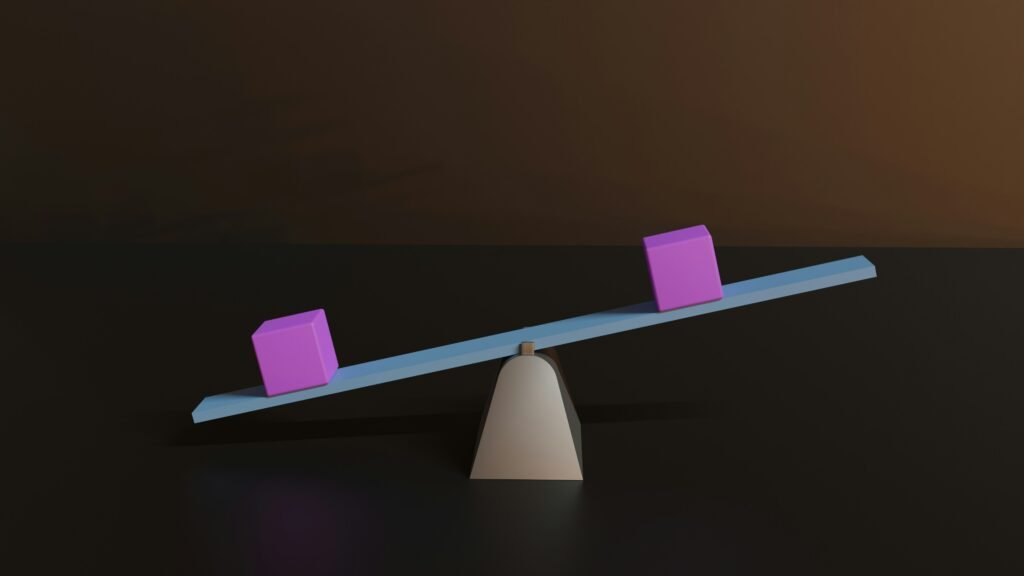

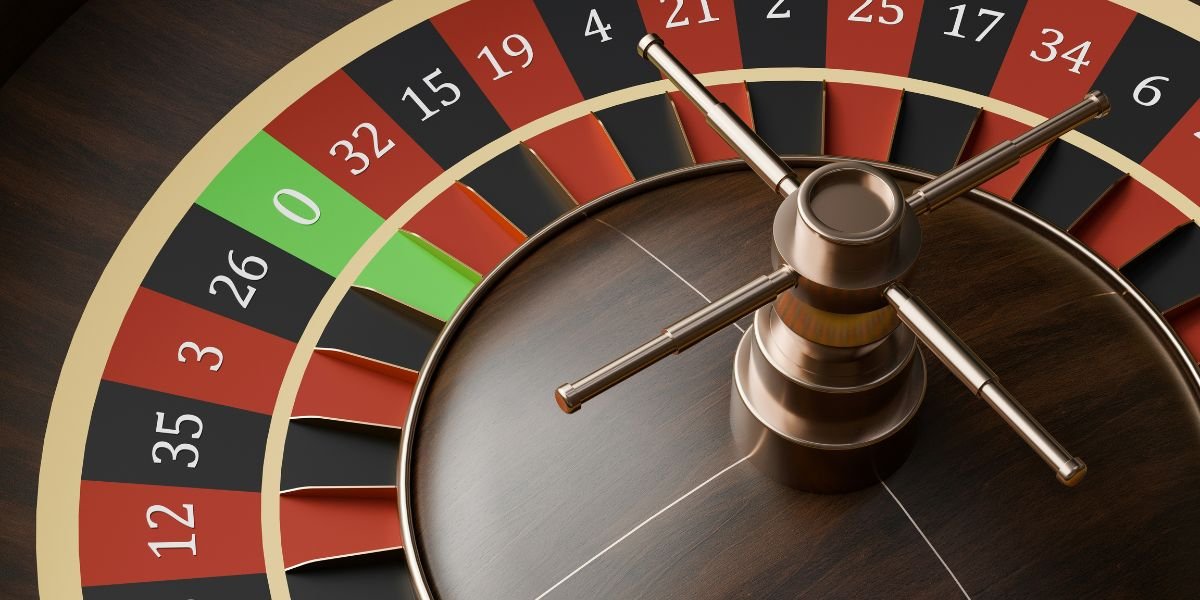
It is common to interpret probability figures, the numbers used to communicate risk, as predictions of what will happen. When a system assigns a high probability to an outcome, the intuitive response is to expect that outcome to occur. If it does not, the figure is often viewed as “wrong.” This misunderstanding stems from a failure to distinguish between prediction and measurement.
Probability does not predict a specific future, it measures the degree of uncertainty across a range of possible futures.
The Illusion of Specificity
A probability figure is a mathematical expression of frequency and distribution, not a forecast of a singular event. If a system indicates a 70% probability for a certain result, it is not saying that the result will happen. It is stating that in a large enough set of identical conditions, that result would occur seven out of ten times.
The problem is that individuals experience events one at a time. In a single instance, a 70% probability is either realized or it isn’t. Because the outcome is binary (yes or no), the nuanced “70%” feels like a failed promise rather than a statistical description.
Why Systems Focus on Distribution, Not Individual Events
For a system to remain stable, it must prioritize the long-term distribution of results over the outcome of any single event. Systems are designed to be “correct” over thousands of instances, even if they appear “incorrect” in ten instances in a row.
This is a fundamental concept for beginners to grasp. Understanding what odds actually mean and what they do not is the first step in moving from emotional reaction to structural understanding. While a human focus is on the next result, the system’s focus is on the total volume.
The Role of Information and Variance
Probability figures are built on available information, but information is never perfect. Variance, the natural “noise” or randomness in any system, ensures that even the most well-calculated figures will deviate from short-term results.
High-variance environments, such as sports with low scoring frequency, make probability figures look even less like predictions. In these cases, the gap between the calculated likelihood and the actual result is wider, leading to the perception that the system is failing, when in fact it is simply reflecting the inherent instability of the event.
Probability as an Adjustment Tool
In many environments, probability figures are not just descriptive, they are functional. They are used to balance participation and manage risk. This is evident in how odds are derived from crowd dynamics to ensure that a market remains balanced regardless of the event’s actual outcome. If too much interest accumulates on one side of an event, the figures may be adjusted to encourage participation on the other side.
According to research on risk communication from the Society for Risk Analysis (SRA), when probability is used as a tool for system balance, its relationship to “truth” or “prediction” becomes even more distant. The figure moves to satisfy the needs of the system, not necessarily to reflect a change in the expected outcome.
Conclusion
Probability figures are tools for managing uncertainty, not windows into the future. They provide a structural overview of risk that only becomes visible over a long sequence of events.
When a single outcome contradicts a high-probability figure, the figure has not failed, the observer has simply mistaken a measurement of distribution for a prediction of a single moment. Understanding this distinction is essential for navigating any system governed by risk and chance.