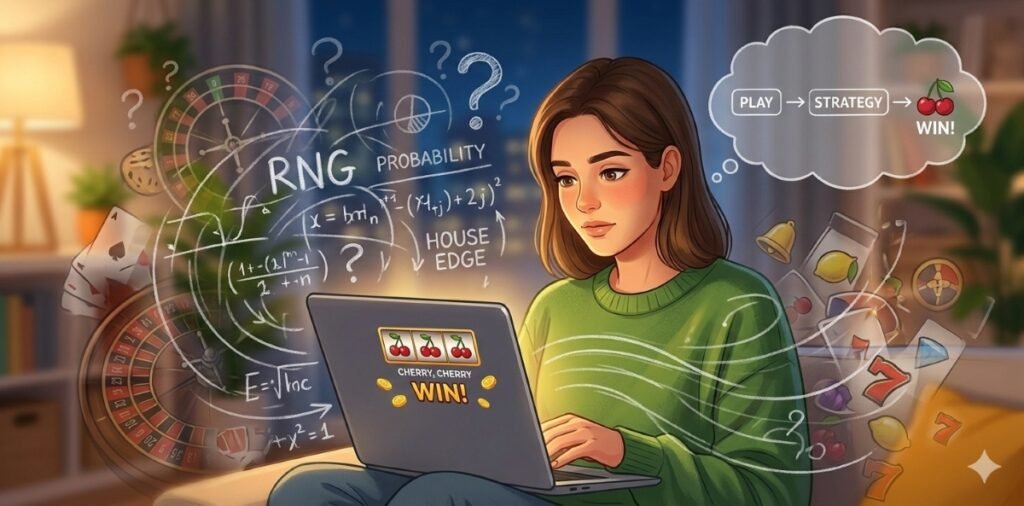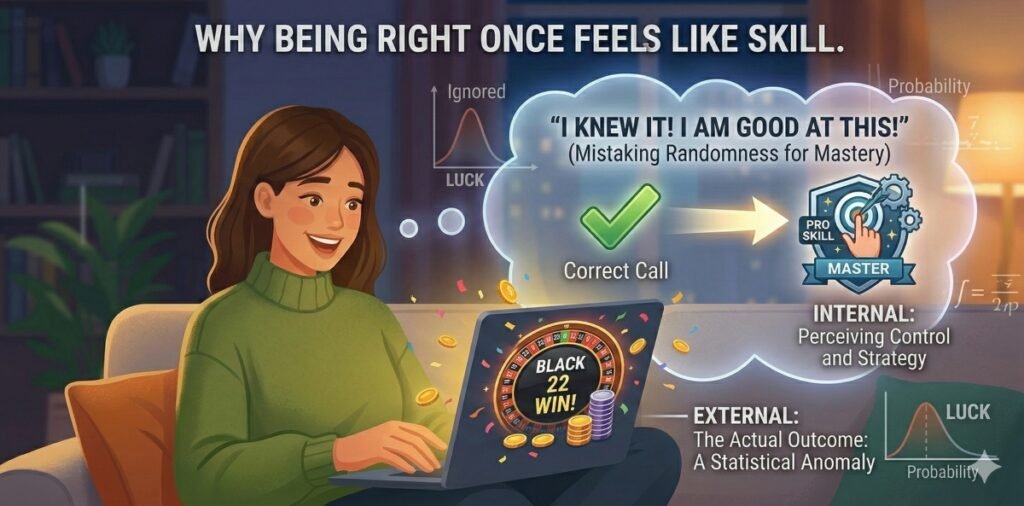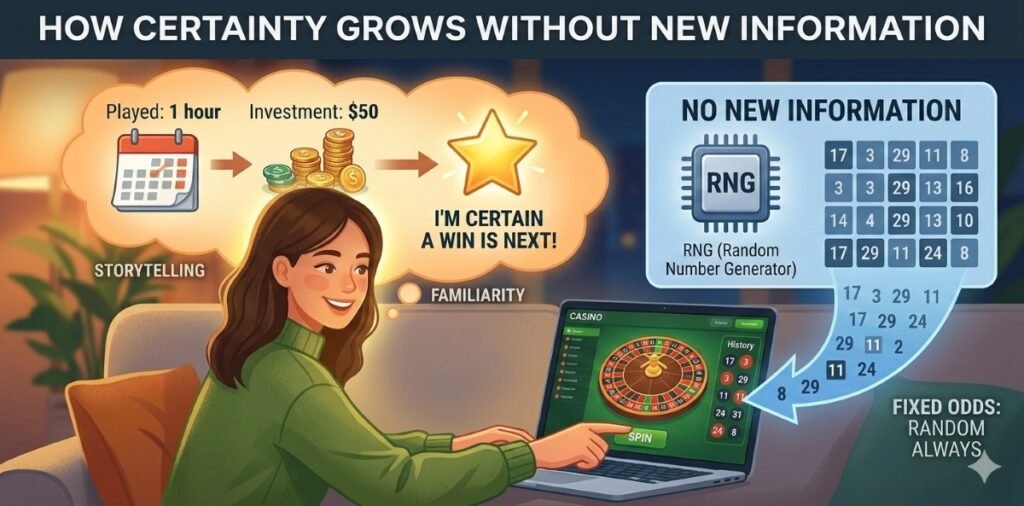

When people participate in any form of gaming or sports prediction, they often believe they have a “system” or a special way of seeing patterns. One of the most common and dangerous mistakes a person can make is falling for a psychological trap known as the Gambler’s Fallacy. Understanding this concept is a vital part of building a solid foundation of knowledge in the gaming world.
What is the Gambler’s Fallacy?
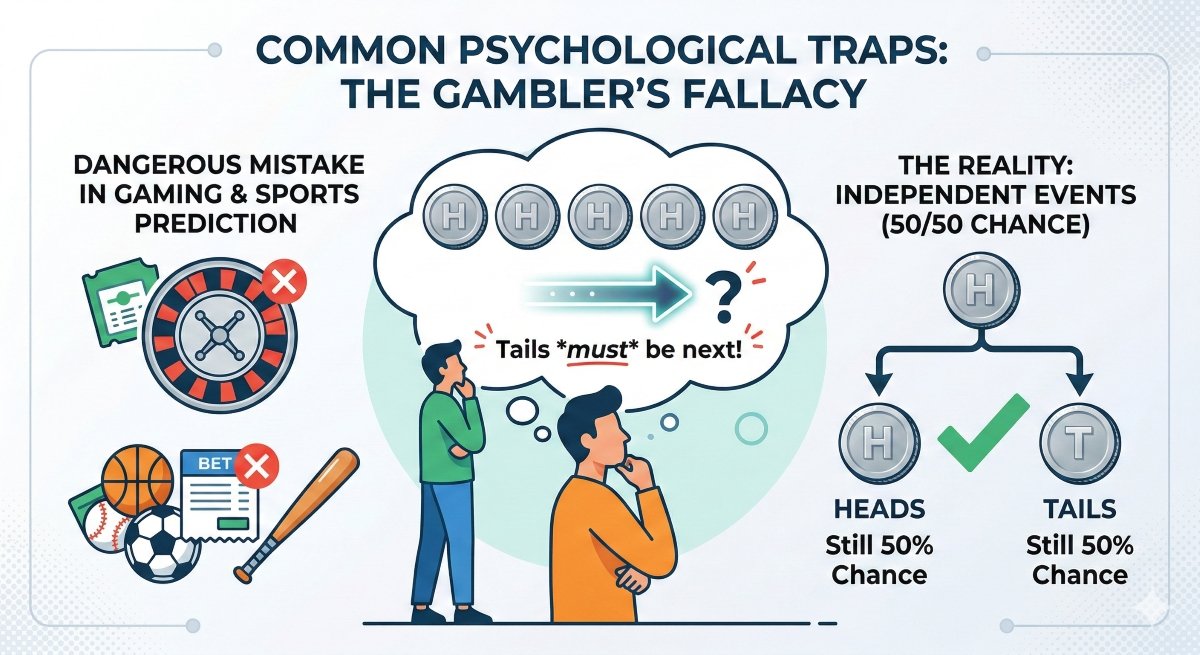
The Gambler’s Fallacy is the mistaken belief that if something happens more frequently than normal during a given period, it will happen less frequently in the future. Or, if something has not happened for a long time, it is “due” to happen soon.
Imagine you are flipping a coin. The coin is fair, meaning there is exactly a 50% chance of heads and a 50% chance of tails every single time. If you flip the coin five times and it lands on heads every single time, your brain might start to whisper, “The next one has to be tails. It’s been heads too many times.”
This is the trap. In reality, the coin does not have a memory. It does not know that it just landed on heads five times. The chance of the sixth flip being tails is still exactly 50%. Every flip is an “independent event”.
Why Our Brains Play Tricks on Us
Humans are naturally designed to look for patterns. Thousands of years ago, this helped our ancestors survive. If they saw a pattern in the weather or the movement of animals, it helped them find food and stay safe.
In the modern world, this same instinct can lead us to see patterns where none actually exist. When we see a “streak” of red on a roulette wheel or a team winning three games in a row, our brains want to find a reason for it. We feel uncomfortable with the idea that things are truly random. We want to believe the universe will “balance itself out,” but in games of pure chance, the math does not work that way.
Real-World Examples of the Trap
This fallacy appears in many different areas of life, not just at a casino.
The Roulette Table: This is the most famous example. In 1913, at a casino in Monte Carlo, the ball landed on black 26 times in a row. Players lost millions of dollars betting on red because they were convinced that a red win was “due.” They fell for the Gambler’s Fallacy on a massive scale.
Sports Predictions: Fans often think that if a star player has missed several shots, they are more likely to make the next one. While a player’s skill matters, each individual shot is influenced by many tiny factors. Thinking a win is “guaranteed” just because of a previous loss is a dangerous way to think.
Lottery Numbers: Some people look at which numbers have not been picked in a long time, thinking those numbers are more likely to appear next. In a fair lottery, every ball has the exact same chance of being picked every single time.
How to Avoid the Fallacy
Knowing about the trap is the first step, but you also need practical ways to avoid it.
Remember Independence: Remind yourself that the past does not influence the future in games of chance. Each spin, each flip, and each draw is a brand-new event.
Set Strict Limits: Before you start playing any game, decide exactly how much time or money you will spend. When you reach that limit, stop. This prevents your emotions from taking over when you are on a “losing streak.”
Focus on the Math: Instead of looking for “lucky” patterns, look at the actual probabilities. If a game has a 10% chance of winning, that 10% stays the same every single time you play, regardless of what happened five minutes ago.
Take Breaks: When you feel a strong “feeling” that a certain result is coming, take a walk. Stepping away helps clear the “fog” of the fallacy and allows your logical brain to take control again.
Building a Stronger Ecosystem of Knowledge
By learning about concepts like the Gambler’s Fallacy, you are participating in a better way of interacting with the world. You are moving away from simple, fragile ideas and toward a more robust understanding.
This information layer helps you stay safe, think clearly, and avoid the common mistakes that many others make. Whether you are a casual gamer or just someone interested in human psychology, keeping these lessons in mind will help you navigate the digital landscape with confidence.