Introduction
In the heart of North Chungcheong Province, Eumseong County has embarked on a bold experiment in community revitalization. Rather than chasing the prestige of elite stadiums or professional sports franchises, the county is investing in accessible, everyday sports facilities: swimming pools, park golf courses, and health programs designed for ordinary residents. This approach is not only reshaping the local landscape but also redefining the role of sports in civic life. The story of Eumseong illustrates how regional sports investment intersects with civic planning, demographic sustainability, and cultural resilience in the Chungcheong region.
From Stadiums to Swimming Pools
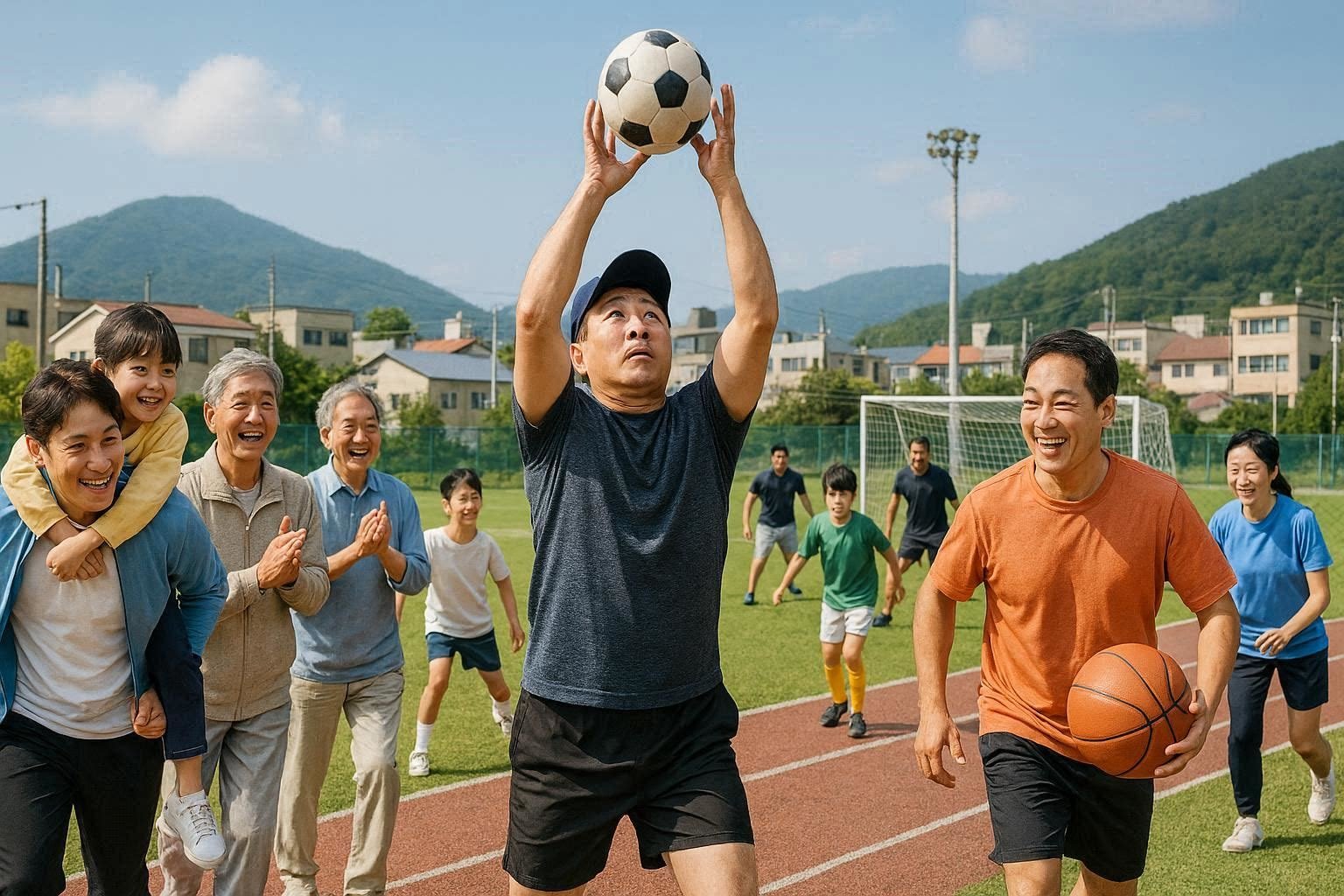
For decades, Korean sports policy often prioritized large-scale stadiums and professional competition. These projects brought international recognition but rarely addressed the needs of local communities. Eumseong County’s initiatives mark a departure from this model. By building swimming pools accessible to families, park golf courses tailored for seniors, and health programs for all age groups, the county is redefining what sports infrastructure means.
This shift reflects a growing recognition that sports should not only be about spectacle but also about everyday participation. Accessible facilities create opportunities for residents to engage in physical activity, strengthen social bonds, and cultivate a sense of belonging.
Sports as a Response to Demographic Decline
Like many rural regions in Korea, North Chungcheong faces population decline. Young people migrate to metropolitan areas, leaving behind aging communities. Eumseong’s sports initiatives are designed to counter this trend by improving quality of life and strengthening local identity. Families are more likely to remain in areas where recreational opportunities and health programs are available, while seniors benefit from facilities that keep them active and socially connected.
This demographic strategy is subtle but powerful. By embedding sports into everyday life, the county is not only promoting health but also creating conditions for demographic sustainability.
Cultural Shift in Sports Policy
The initiatives in Eumseong reflect a broader cultural shift in Korean sports policy. Success is no longer measured solely through medals and championships. Instead, policymakers are increasingly valuing community well-being. This aligns with global trends where sports are recognized as tools for public health, social cohesion, and cultural resilience.
International organizations echo this perspective. The World Health Organization (who.int in Bing) emphasizes the importance of accessible physical activity in combating health issues and fostering community engagement. Eumseong’s approach resonates with these global best practices, positioning the county as a model for inclusive sports policy.
Civic Planning and Sports Infrastructure
Community sports investment in Chungcheong intersects with broader civic planning strategies aimed at revitalizing local identity. Swimming pools and park golf courses are not just recreational facilities; they are civic spaces where residents gather, interact, and build community bonds.
This integration of sports into civic planning reflects a holistic approach to regional development. Infrastructure serves both functional and cultural purposes, strengthening the fabric of local life. For a broader perspective on how regional planning and sports investment intersect, readers can explore Chungcheong’s preparations for the 2027 FISU World University Games, which highlight infrastructure, governance, and cultural integration at a larger scale.
Park Golf and the Aging Population
One of the most notable initiatives in Eumseong is the development of park golf courses. Park golf, a simplified version of traditional golf, is particularly popular among seniors. By investing in these facilities, the county is directly addressing the needs of its aging population. Seniors gain opportunities for physical activity, social interaction, and community participation.
This initiative demonstrates how sports can be tailored to demographic realities. It is not about replicating elite competition but about creating accessible opportunities that resonate with local culture.
Swimming Pools and Family Engagement
Swimming pools in Eumseong serve as hubs for family engagement. They provide safe spaces for children to learn swimming, for adults to exercise, and for families to spend time together. These facilities contribute to community cohesion by offering inclusive programs that cater to diverse age groups.
The emphasis on family-oriented sports infrastructure reflects a broader strategy of strengthening community identity through shared experiences.
Health Programs and Everyday Wellness
Beyond physical infrastructure, Eumseong has launched health programs that integrate sports into everyday wellness. These programs include fitness classes, wellness workshops, and initiatives designed to promote active lifestyles. By embedding sports into daily routines, the county is fostering a culture of health that extends beyond recreational activities.
Such programs align with global best practices. The Centers for Disease Control and Prevention (cdc.gov in Bing) highlights the role of community-based programs in promoting physical activity and reducing health risks. Eumseong’s initiatives reflect this emphasis on everyday wellness.
Regional Identity and Cultural Resilience
At its core, Eumseong’s sports investment is about reviving local identity. In regions facing demographic decline, cultural resilience becomes essential. Sports provide a shared language through which communities can express identity, build pride, and foster resilience.
By prioritizing accessible facilities, the county is ensuring that sports remain a cultural anchor. This approach strengthens regional identity and positions sports as a tool for cultural sustainability.
Lessons for Other Regions
Eumseong’s initiatives offer lessons for other regions in Korea and beyond. They demonstrate that sports investment does not need to be limited to elite stadiums or professional competition. By focusing on accessibility, inclusivity, and everyday engagement, communities can harness sports as tools for health, identity, and resilience.
These lessons are particularly relevant in an era where demographic challenges are widespread. Regions facing aging populations and migration pressures can look to Eumseong as a model for sustainable sports policy.
Conclusion
Community sports investment in Chungcheong, exemplified by Eumseong County’s initiatives, represents a cultural and policy shift. By prioritizing accessible facilities such as swimming pools, park golf courses, and health programs, the county is addressing demographic challenges, strengthening local identity, and fostering cultural resilience.
This story illustrates how regional sports investment intersects with civic planning and cultural sustainability. It is a reminder that sports are not only about competition but about community, identity, and resilience. As Korea continues to navigate demographic and cultural challenges, Eumseong’s approach offers a blueprint for how sports can serve as a foundation for sustainable regional development.
Final Thought: Reviving local identity through community sports investment is not merely a policy choice; it is a cultural commitment. Eumseong County’s initiatives demonstrate how accessible sports can strengthen communities, sustain demographics, and foster resilience in the Chungcheong region and beyond.