Sejong Insider

Broadcasting Law Reform and Universal Viewing Rights: Balancing Commerce and Civic Access in Korea

Introduction: Why Broadcasting Law Matters

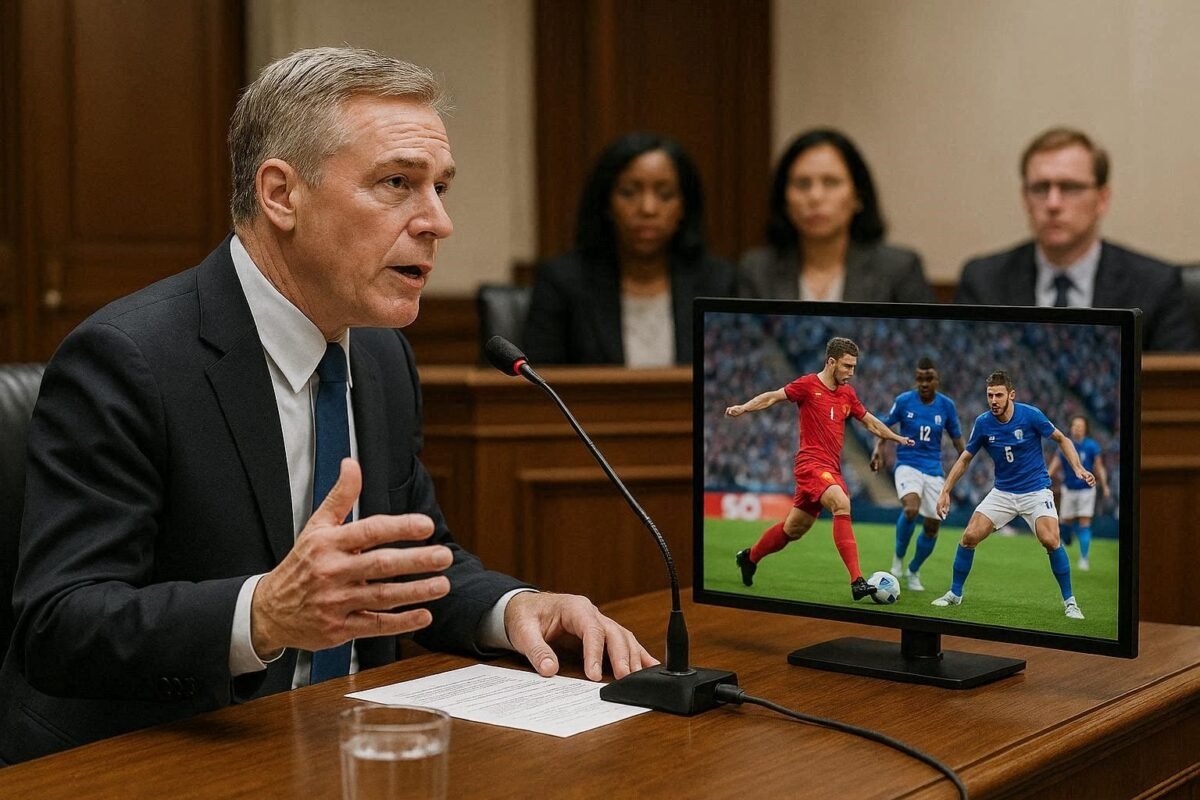
Few issues touch as many citizens as the right to watch major sports events. The Olympics, the FIFA World Cup, and Asian Games are not just competitions; they are moments of collective identity. In Korea, debates over broadcasting rights have intensified as exclusive contracts and subscription models threaten to limit access. The National Assembly is now reviewing amendments to the Broadcasting Act that would enshrine universal viewing rights, ensuring that nationally significant sports broadcasts remain accessible to all citizens without additional fees.

This reform is more than a technical adjustment. It reflects a broader legal principle: events of national interest belong to the public domain, not private commodities. The administrative capital, Sejong, plays a central role in shaping these policies, highlighting how broadcasting law intersects with civic rights and cultural identity. For a deeper dive into the reform itself, see Broadcasting Law Amendment: Universal Viewing Rights in Focus.

Context: Exclusive Rights and Public Backlash

In recent years, Korean broadcasters have increasingly pursued exclusive contracts for major sports events. While lucrative, these deals often force viewers to subscribe to specific platforms or pay additional fees. The 2022 World Cup, for instance, sparked controversy when certain matches were locked behind paywalls, frustrating fans who saw the event as a national celebration.

Public backlash underscored a tension: broadcasters seek commercial profit, but citizens expect free access to events that symbolize national pride. The proposed reform aims to resolve this tension by codifying universal viewing rights into law. For background, see the Ministry of Culture, Sports and Tourism which oversees broadcasting and cultural policy.

The Legal Principle of Universal Access

At the heart of the reform is the idea that sports events of national significance are part of the public domain. This principle is not unique to Korea. Many European countries, including the UK and Germany, maintain “listed events” regulations that require free-to-air coverage of the Olympics, World Cup, and other major competitions.

Korea’s Broadcasting Act amendments would introduce similar safeguards. By restricting resale of broadcast rights and mandating cooperative purchasing among broadcasters, the law ensures that no single company can monopolize access. This reflects a broader legal philosophy: cultural and civic goods must remain accessible to all, even in a market-driven media environment. For comparison, see the European Broadcasting Union which advocates for universal access across Europe.

Key Provisions of the Reform

The proposed amendments include several notable provisions:

  • Restrictions on resale of rights: Broadcasters who acquire rights to nationally significant events cannot resell them exclusively to subscription platforms.
  • Cooperative purchasing mandates: Broadcasters must collaborate to share rights, ensuring simultaneous free-to-air coverage.
  • Universal viewing rights clause: Citizens are guaranteed access to designated events without additional fees, regardless of platform.
  • Regulatory oversight in Sejong: The Ministry of Culture, Sports and Tourism, headquartered in Sejong, will oversee compliance and adjudicate disputes.

These provisions collectively shift the balance from commercial exclusivity to civic accessibility. For legal context, see the National Assembly of Korea.

Sejong’s Role in Policy Formation

Sejong, as Korea’s administrative capital, is central to broadcasting law reform. Housing key ministries and regulatory agencies, Sejong embodies the state’s commitment to civic governance. The Broadcasting Act amendments are being drafted and reviewed here, symbolizing the city’s role as the hub of legal and cultural policymaking.

For citizens, Sejong represents more than bureaucracy. It is the place where civic rights are codified into law, where the principle of universal access is transformed from public demand into binding regulation.

Educational Value: How Broadcasting Law Balances Rights

Understanding broadcasting law requires grasping the balance between commercial rights and civic access. Broadcasters invest heavily to acquire rights, and they naturally seek profit. Yet the law recognizes that certain events transcend commerce.

  • Commercial rights: Protect broadcasters’ investments and incentivize coverage.
  • Civic access: Protect citizens’ right to participate in national cultural moments.

The Broadcasting Act reform demonstrates how law mediates between these interests. By mandating cooperative purchasing and restricting exclusivity, it ensures that commercial incentives remain intact while safeguarding civic rights. For a global perspective, see FIFA’s governance on broadcasting rights.

Comparative Perspective: Lessons from Abroad

Korea’s reform aligns with international precedents.

  • United Kingdom: The Broadcasting Act lists “crown jewel” events, including the Olympics and FA Cup Final, which must be shown on free-to-air channels.
  • Germany: Public broadcasters ARD and ZDF share rights to major events, ensuring universal access.
  • France: The Conseil Supérieur de l’Audiovisuel enforces regulations requiring free coverage of national events.

These examples show that Korea’s approach is part of a global trend: recognizing sports events as cultural heritage rather than private commodities. For more, see the UK Ofcom Broadcasting Code.

Broader Legal Implications

The reform has implications beyond sports. It establishes a precedent for how cultural events are treated under law. If sports broadcasts are considered part of the public domain, similar arguments could apply to other nationally significant events, such as presidential inaugurations or cultural festivals.

Moreover, the cooperative purchasing mandate introduces a new model of media governance. Broadcasters, traditionally competitors, must collaborate in the public interest. This raises questions about how competition law and broadcasting regulation intersect.

Civic Identity and Universal Rights

Universal viewing rights are not just about access; they are about identity. Watching the Olympics or World Cup together fosters a sense of national unity. When access is restricted, that unity fractures.

By enshrining universal rights, the Broadcasting Act reform affirms that sports are more than entertainment. They are civic rituals, moments when citizens collectively experience pride, joy, and belonging. The law thus protects not only access but also the cultural fabric of the nation.

Challenges and Criticisms

Despite broad support, the reform faces challenges:

  • Broadcaster resistance: Companies argue that restrictions on resale reduce profitability and discourage investment.
  • Implementation complexity: Cooperative purchasing requires coordination among multiple broadcasters, which may be difficult in practice.
  • Defining “national significance”: Which events qualify? Olympics and World Cup are obvious, but what about regional tournaments or domestic leagues?

These challenges highlight the need for clear definitions and robust regulatory oversight.

Sejong as a Symbol of Civic Governance

Sejong’s role in broadcasting law reform underscores its symbolic importance. As the administrative capital, Sejong is where civic rights are debated, codified, and enforced. The Broadcasting Act amendments remind citizens that governance is not abstract; it is rooted in institutions and cities that embody the public interest.

For readers, understanding Sejong’s role provides insight into how law and policy are shaped in Korea. It is here that the balance between commerce and civic rights is negotiated.

Conclusion: Law as a Guardian of Civic Access

The National Assembly’s review of Broadcasting Act amendments marks a pivotal moment in Korean media law. By enshrining universal viewing rights, restricting resale, and mandating cooperative purchasing, the reform ensures that major sports events remain accessible to all citizens.

This reflects a broader legal principle: nationally significant events belong to the public domain. They are civic goods, not private commodities. Sejong, as the administrative capital, plays a central role in shaping this principle into law.

For citizens, the message is clear. Broadcasting law is not just about contracts and profits; it is about rights, identity, and unity. As Korea moves forward, the reform will stand as a testament to how law can protect civic access in an era of commercial media.

The Margin Myth: Why Closeness Isn’t Accuracy

Close matches often feel significant. A one-point difference, a last-minute goal, or a narrow margin can create the impression that predictions were “almost right.” Statistically, however, closeness does not equal accuracy. It reflects where an outcome happened to fall within a distribution, not how well it was anticipated.

Closeness Is an Outcome, Not a Measure

Accuracy requires a measurable relationship between expectation and result. Closeness, by contrast, simply describes the final margin. A narrow result:

  • Does not confirm correct anticipation
  • Does not validate assumptions
  • Does not reduce uncertainty

It measures distance, not alignment.

Margins Are Not Signals

In probabilistic systems, margins do not signal correctness. Outcomes are drawn from a range of possibilities, many clustering near the center. Because of this:

  • Close outcomes are common by design
  • Wide margins are not required for accuracy
  • Proximity does not imply precision

Confusion often arises when people mistake momentum swings for statistical variance, attributing meaning to what is essentially random noise.

The Illusion of Predictive Nearness

Humans intuitively equate nearness with progress. In skill-based tasks, being close often means improvement. This intuition is mistakenly applied to probabilistic outcomes. A close match feels like evidence of accuracy because:

  • It is easy to rationalize after the fact
  • Small differences feel controllable
  • Narratives fit neatly around narrow margins

These factors shape perception, not probability.

Expected Values Do Not Require Close Results

Expected values describe long-term averages, not individual outcomes. A single result can be far from expectation and still consistent with the model, or close to expectation yet statistically uninformative. Margin alone does not validate or invalidate predictions.

Boundary Effects and Misinterpretation

Thresholds often create the illusion of significance. Results near boundaries feel important, but:

  • Boundaries are classification tools
  • Proximity to a boundary has no statistical privilege
  • Outcomes on either side belong to the same distribution

This misinterpretation is related to outcome bias, where results are judged by how they feel rather than by the process that produced them.

Memory Bias Amplifies Close Results

Close matches are remembered more vividly than decisive ones. They invite replay and analysis, reinforcing the belief that something meaningful occurred. Over time, this creates distorted memory patterns:

  • Close outcomes feel more frequent
  • Accuracy feels higher than it is
  • Wide deviations fade from recall

The statistical record, however, remains unchanged.

Repetition Does Not Convert Closeness Into Accuracy

Multiple close outcomes do not accumulate informational value unless they show consistent deviation across a large sample. Without repetition and structure:

  • Near results remain independent
  • No learning signal emerges
  • Perceived accuracy does not become real accuracy

Closeness does not compound.

Accuracy Requires Structure, Not Proximity

True accuracy involves:

  • Consistent alignment with expectations
  • Measurable deviation across many events
  • Stability beyond random fluctuation

Close matches provide none of these on their own. They are outcomes, not evidence. This distinction explains why favorite teams still lose frequently even when expectations seem well calibrated.

Conclusion

Close matches feel meaningful because humans interpret proximity as precision. Statistically, however, closeness is not a measure of accuracy. It does not confirm expectations, reduce uncertainty, or provide predictive insight. A narrow result is simply one realization within a broader distribution. Recognizing this distinction helps us understand why close matches feel informative while remaining statistically neutral.

Community Sports Investment in Chungcheong: Reviving Local Identity

Introduction

In the heart of North Chungcheong Province, Eumseong County has embarked on a bold experiment in community revitalization. Rather than chasing the prestige of elite stadiums or professional sports franchises, the county is investing in accessible, everyday sports facilities: swimming pools, park golf courses, and health programs designed for ordinary residents. This approach is not only reshaping the local landscape but also redefining the role of sports in civic life. The story of Eumseong illustrates how regional sports investment intersects with civic planning, demographic sustainability, and cultural resilience in the Chungcheong region.

From Stadiums to Swimming Pools

For decades, Korean sports policy often prioritized large-scale stadiums and professional competition. These projects brought international recognition but rarely addressed the needs of local communities. Eumseong County’s initiatives mark a departure from this model. By building swimming pools accessible to families, park golf courses tailored for seniors, and health programs for all age groups, the county is redefining what sports infrastructure means.

This shift reflects a growing recognition that sports should not only be about spectacle but also about everyday participation. Accessible facilities create opportunities for residents to engage in physical activity, strengthen social bonds, and cultivate a sense of belonging.

Sports as a Response to Demographic Decline

Like many rural regions in Korea, North Chungcheong faces population decline. Young people migrate to metropolitan areas, leaving behind aging communities. Eumseong’s sports initiatives are designed to counter this trend by improving quality of life and strengthening local identity. Families are more likely to remain in areas where recreational opportunities and health programs are available, while seniors benefit from facilities that keep them active and socially connected.

This demographic strategy is subtle but powerful. By embedding sports into everyday life, the county is not only promoting health but also creating conditions for demographic sustainability.

Cultural Shift in Sports Policy

The initiatives in Eumseong reflect a broader cultural shift in Korean sports policy. Success is no longer measured solely through medals and championships. Instead, policymakers are increasingly valuing community well-being. This aligns with global trends where sports are recognized as tools for public health, social cohesion, and cultural resilience.

International organizations echo this perspective. The World Health Organization (who.int in Bing) emphasizes the importance of accessible physical activity in combating health issues and fostering community engagement. Eumseong’s approach resonates with these global best practices, positioning the county as a model for inclusive sports policy.

Civic Planning and Sports Infrastructure

Community sports investment in Chungcheong intersects with broader civic planning strategies aimed at revitalizing local identity. Swimming pools and park golf courses are not just recreational facilities; they are civic spaces where residents gather, interact, and build community bonds.

This integration of sports into civic planning reflects a holistic approach to regional development. Infrastructure serves both functional and cultural purposes, strengthening the fabric of local life. For a broader perspective on how regional planning and sports investment intersect, readers can explore Chungcheong’s preparations for the 2027 FISU World University Games, which highlight infrastructure, governance, and cultural integration at a larger scale.

Park Golf and the Aging Population

One of the most notable initiatives in Eumseong is the development of park golf courses. Park golf, a simplified version of traditional golf, is particularly popular among seniors. By investing in these facilities, the county is directly addressing the needs of its aging population. Seniors gain opportunities for physical activity, social interaction, and community participation.

This initiative demonstrates how sports can be tailored to demographic realities. It is not about replicating elite competition but about creating accessible opportunities that resonate with local culture.

Swimming Pools and Family Engagement

Swimming pools in Eumseong serve as hubs for family engagement. They provide safe spaces for children to learn swimming, for adults to exercise, and for families to spend time together. These facilities contribute to community cohesion by offering inclusive programs that cater to diverse age groups.

The emphasis on family-oriented sports infrastructure reflects a broader strategy of strengthening community identity through shared experiences.

Health Programs and Everyday Wellness

Beyond physical infrastructure, Eumseong has launched health programs that integrate sports into everyday wellness. These programs include fitness classes, wellness workshops, and initiatives designed to promote active lifestyles. By embedding sports into daily routines, the county is fostering a culture of health that extends beyond recreational activities.

Such programs align with global best practices. The Centers for Disease Control and Prevention (cdc.gov in Bing) highlights the role of community-based programs in promoting physical activity and reducing health risks. Eumseong’s initiatives reflect this emphasis on everyday wellness.

Regional Identity and Cultural Resilience

At its core, Eumseong’s sports investment is about reviving local identity. In regions facing demographic decline, cultural resilience becomes essential. Sports provide a shared language through which communities can express identity, build pride, and foster resilience.

By prioritizing accessible facilities, the county is ensuring that sports remain a cultural anchor. This approach strengthens regional identity and positions sports as a tool for cultural sustainability.

Lessons for Other Regions

Eumseong’s initiatives offer lessons for other regions in Korea and beyond. They demonstrate that sports investment does not need to be limited to elite stadiums or professional competition. By focusing on accessibility, inclusivity, and everyday engagement, communities can harness sports as tools for health, identity, and resilience.

These lessons are particularly relevant in an era where demographic challenges are widespread. Regions facing aging populations and migration pressures can look to Eumseong as a model for sustainable sports policy.

Conclusion

Community sports investment in Chungcheong, exemplified by Eumseong County’s initiatives, represents a cultural and policy shift. By prioritizing accessible facilities such as swimming pools, park golf courses, and health programs, the county is addressing demographic challenges, strengthening local identity, and fostering cultural resilience.

This story illustrates how regional sports investment intersects with civic planning and cultural sustainability. It is a reminder that sports are not only about competition but about community, identity, and resilience. As Korea continues to navigate demographic and cultural challenges, Eumseong’s approach offers a blueprint for how sports can serve as a foundation for sustainable regional development.

Final Thought: Reviving local identity through community sports investment is not merely a policy choice; it is a cultural commitment. Eumseong County’s initiatives demonstrate how accessible sports can strengthen communities, sustain demographics, and foster resilience in the Chungcheong region and beyond.

Broadcasting Law Amendment: Universal Viewing Rights in Focus

Introduction

South Korea’s National Assembly is currently reviewing a Broadcasting Act amendment designed to protect citizens’ right to watch major sports events such as the Olympics and the FIFA World Cup without additional fees. This legislative initiative responds to growing concerns over exclusive broadcasting rights deals, including JTBC’s attempt to monopolize coverage of international competitions. The amendment seeks to ensure that nationally significant events remain accessible to all citizens, reinforcing the principle of universal viewing rights.

Background: Exclusive Rights and Public Access

Exclusive broadcasting rights have long been a contentious issue in South Korea. When a single broadcaster secures rights to major events, viewers often face subscription fees or limited access. This undermines the principle that events of national importance should be freely available to the public. The controversy surrounding JTBC’s bid to monopolize coverage highlighted the risks of allowing commercial interests to override public access.

Lawmakers argue that sports events like the Olympics and World Cup transcend entertainment—they are cultural and civic moments that unite the nation. Restricting access through paywalls or exclusive deals diminishes their social value.

Proposed Solutions in the Amendment

The Broadcasting Act amendment introduces several mechanisms to safeguard public access:

  • Joint Purchasing Consortia: Broadcasters would be encouraged to form consortia to jointly purchase rights, ensuring that no single entity monopolizes coverage.
  • Restrictions on Resale Practices: The amendment limits the ability of broadcasters to resell rights at inflated costs, preventing secondary market exploitation.
  • Public Access Guarantees: Nationally significant events must be broadcast on free-to-air channels, ensuring universal accessibility.

These measures aim to balance commercial interests with public rights, creating a framework where both broadcasters and citizens benefit.

Sejong’s Role in Legislative Development

For Sejong readers, this amendment is particularly relevant. The Legislation Office in Sejong City is directly involved in drafting and reviewing these reforms. This underscores how government policy in Sejong shapes national sports media access. By situating legislative work in Sejong, the government emphasizes transparency and civic accountability in policymaking.

For more details on related legislative debates, see
Sejong Insider: Lawmaker Calls for Public Access Rules in Sports Broadcasting.

International Comparisons

South Korea’s debate mirrors global discussions on broadcasting rights. In the United Kingdom, the “listed events” system ensures that major competitions like the FIFA World Cup and Wimbledon are available on free-to-air television. Similarly, the European Union has emphasized the importance of public access to culturally significant events. These international models provide valuable lessons for South Korea as it seeks to balance commercial broadcasting with civic responsibility.

External references:

Implications for Broadcasters

Broadcasters face both challenges and opportunities under the proposed amendment. While joint purchasing consortia may reduce individual control, they also lower costs and expand reach. Restrictions on resale practices prevent profiteering but encourage fair competition. Ultimately, broadcasters can benefit from increased public trust and broader audience engagement when events are universally accessible.

Impact on Citizens

For citizens, the amendment represents a reaffirmation of their cultural rights. Watching the Olympics or World Cup is not merely entertainment—it is a shared national experience. Ensuring free access strengthens social cohesion and reinforces the idea that sports are a public good. Citizens stand to benefit from reduced financial barriers and increased transparency in broadcasting practices.

Educational Insight: Media Literacy and Civic Engagement

The Broadcasting Act amendment also offers educational insights. By emphasizing universal access, lawmakers highlight the importance of media literacy and civic engagement. Citizens must understand how broadcasting rights affect their access to information and cultural events. This awareness fosters informed debate and strengthens democratic accountability in media policy.

Challenges Ahead

Despite its promise, the amendment faces challenges. Broadcasters may resist joint purchasing consortia, fearing loss of competitive advantage. International rights holders may demand higher fees, complicating negotiations. Enforcement mechanisms must be robust to prevent loopholes in resale restrictions. Addressing these challenges will require careful coordination between lawmakers, broadcasters, and civil society.

Conclusion

South Korea’s Broadcasting Act amendment places universal viewing rights at the center of national debate. By addressing concerns over exclusive rights deals and proposing mechanisms like joint purchasing consortia and resale restrictions, lawmakers aim to protect citizens’ access to major sports events. Sejong’s role in drafting and reviewing these reforms highlights the city’s importance in shaping national policy.

Ultimately, the amendment reflects a broader commitment to civic values in media policy. Ensuring that events like the Olympics and World Cup remain accessible to all citizens reinforces the idea that sports are a public good, not a private commodity. As the National Assembly continues its review, the outcome will shape the future of broadcasting and public access in South Korea.

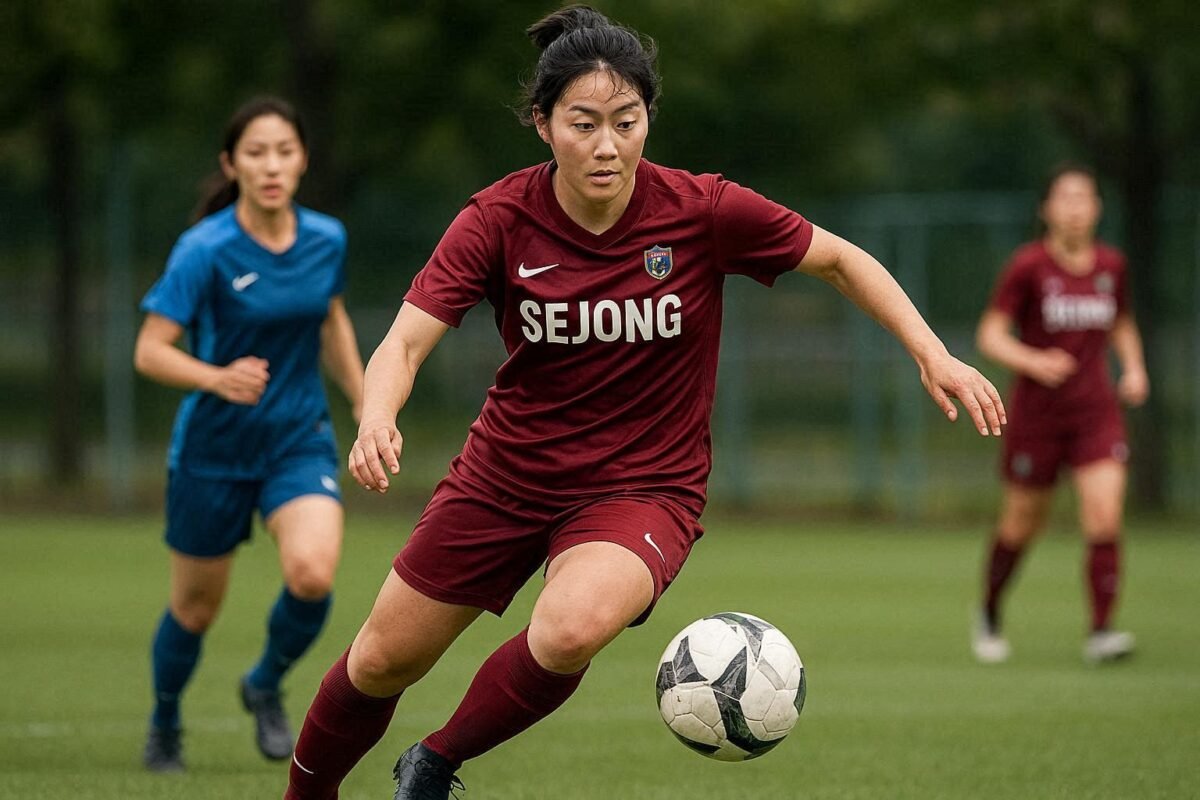
Sejong Women’s Football Classroom Initiative

Introduction

In Sejong, the Sports Toto Women’s Football Team has launched a groundbreaking 28-session “Football Classroom” program. Targeting 60 elementary school girls and adult women, the initiative is led by former WK League players who bring professional expertise and mentorship to the grassroots level. This program is framed as a talent donation initiative, emphasizing inclusivity, civic engagement, and the cultural value of sports education.

Program Context

The Football Classroom is not just about teaching the fundamentals of soccer. It is about embedding sports into the civic fabric of Sejong. By focusing on young girls and adult women, the program challenges traditional gender boundaries in sports participation. The sessions are designed to be interactive, educational, and empowering, ensuring that participants gain both technical skills and confidence.

For readers interested in related grassroots engagement, see
Sejong Insider: Women’s Soccer Clinic Expands Grassroots Engagement.

Cultural and Educational Significance

This initiative reflects how civic frameworks in Sejong support community-level sports education. By framing the program as a talent donation, former WK League players are giving back to the community, reinforcing the idea that sports are not only about competition but also about cultural transmission and social responsibility.

Grassroots development is central to building sustainable sports ecosystems. Programs like this ensure that young girls see football as accessible, while adult women find opportunities for recreation and empowerment. The cultural angle is clear: inclusivity in sports strengthens community bonds and challenges stereotypes.

Gender Inclusivity in Sports

Historically, women’s participation in football has been limited by structural and cultural barriers. The Sejong Football Classroom directly addresses these challenges by creating a safe, supportive environment for women and girls. Inclusivity is not just a slogan—it is embedded in the program’s design, from the choice of coaches to the curriculum that emphasizes teamwork, respect, and confidence-building.

External resources on gender inclusivity in sports can be found at:

Educational Insight: Policy Meets Culture

The Football Classroom demonstrates how sports policy and cultural values intersect. Sejong’s civic institutions provide the framework, while cultural values of inclusivity and community engagement give the program meaning. This intersection is crucial: without supportive policy, grassroots initiatives struggle; without cultural resonance, they fail to inspire.

Educationally, the program teaches more than football. It teaches discipline, cooperation, and resilience—skills that extend beyond the pitch into everyday life. For elementary school girls, these lessons build character. For adult women, they provide empowerment and community connection.

Former WK League Players as Mentors

The involvement of former WK League players adds authenticity and inspiration. These mentors embody the possibilities of women’s football in Korea. Their presence signals to participants that football is not only a recreational activity but also a pathway to professional achievement. By donating their time and expertise, they bridge the gap between elite sports and grassroots development.

Community-Level Impact

Community engagement is at the heart of the initiative. Sejong’s civic frameworks encourage programs that build social cohesion, and the Football Classroom is a prime example. Parents, schools, and local organizations are involved, creating a network of support that amplifies the program’s impact.

Highlight clips and coverage on platforms like YouTube and Naver Sports further extend the program’s reach, ensuring that the initiative resonates beyond the participants themselves.

Global Comparisons

Globally, grassroots women’s football initiatives have proven transformative. From UEFA’s “Playmakers” program to FIFA’s grassroots campaigns, the emphasis is on accessibility and inclusivity. Sejong’s Football Classroom aligns with these international trends, showing that local civic frameworks can contribute to global movements in sports development.

External references:

Challenges and Opportunities

While the initiative is promising, challenges remain. Sustaining engagement over 28 sessions requires commitment from participants and organizers. Ensuring that the program leads to long-term participation in football is another hurdle. However, the opportunities are immense: building a pipeline of talent, fostering community pride, and normalizing women’s football in everyday life.

Intersection of Sports and Civic Identity

Sejong’s Football Classroom reflects the city’s broader identity as a hub of civic innovation. Sports are integrated into the city’s vision of community development, and initiatives like this reinforce Sejong’s reputation as a forward-thinking city. The program is not just about football—it is about shaping civic identity through inclusive education.

Conclusion

The Sejong Women’s Football Classroom Initiative is a landmark program that blends sports education, cultural values, and civic frameworks. By targeting elementary school girls and adult women, it expands the grassroots base of football while promoting gender inclusivity. Led by former WK League players, the program embodies the spirit of talent donation and community engagement.

For Sejong, the initiative is more than a sports program—it is a cultural statement. It demonstrates how policy and culture intersect to create meaningful opportunities, how grassroots development strengthens communities, and how inclusivity in sports reflects broader societal values. As the sessions unfold, the Football Classroom will continue to inspire participants and reshape the narrative of women’s football in Korea.


Chungcheong Provinces Push Dome Stadium Projects

Introduction: Regional Ambitions Take Shape

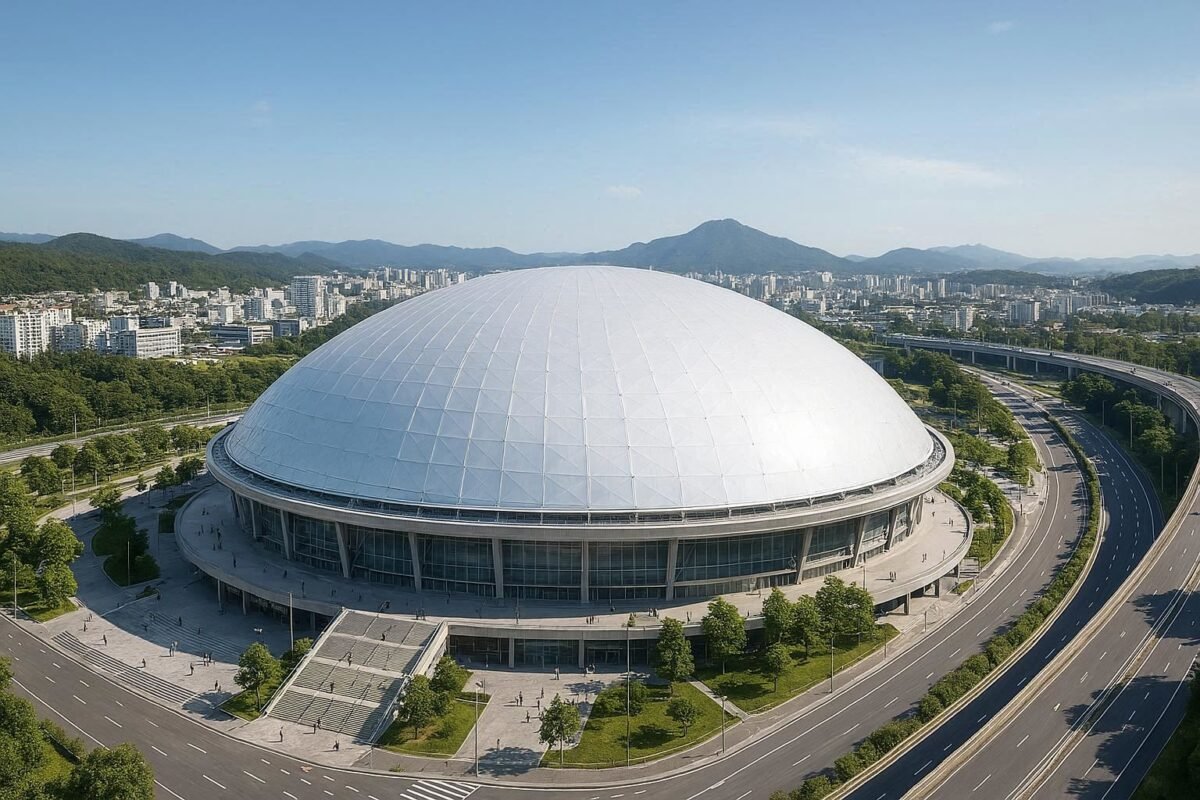
South Korea’s Chungcheong region is stepping into the national spotlight with ambitious infrastructure projects that blend sports, culture, and entertainment. Both South Chungcheong (Chungnam) and North Chungcheong (Chungbuk) are advancing plans for large multipurpose dome stadiums. Cheonan-Asan has proposed the “K-Pop Dome,” while Osong is developing the “Chungbuk-Style Dome.” These projects are more than construction initiatives—they represent a strategic vision to position Korea as a cultural superpower, aligning with the Ministry of Culture, Sports and Tourism’s broader agenda.

For SejongInsider readers, the story offers a lens into how regional infrastructure policy intersects with cultural identity, economic development, and national strategy.

Context: Dome Stadiums as Cultural Infrastructure

The concept of dome stadiums is not new globally, but in Korea, their emergence reflects evolving priorities. Traditionally, stadiums were built primarily for sports. Today, they are envisioned as multipurpose venues capable of hosting concerts, conventions, esports, and cultural festivals. The Cheonan-Asan “K-Pop Dome” highlights Korea’s global cultural export, while the Osong “Chungbuk-Style Dome” emphasizes regional identity and versatility.

These projects are part of a larger trend: using infrastructure not only to support athletic competition but also to anchor cultural and economic ecosystems. Dome stadiums, with their ability to operate year-round regardless of weather, symbolize resilience and adaptability in regional development.

Policy Angle: Ministry Strategy and Regional Development

The Ministry of Culture, Sports and Tourism has articulated a vision of Korea as a “cultural superpower.” This strategy involves leveraging infrastructure to support both domestic engagement and international influence. Dome stadiums fit neatly into this framework:

  • Dual Roles: Serving as sports arenas and entertainment hubs, they maximize utility and revenue.
  • Regional Balance: By situating projects in Chungcheong, the Ministry promotes decentralization, ensuring cultural infrastructure is not concentrated solely in Seoul or Busan.
  • Global Branding: Facilities like the “K-Pop Dome” reinforce Korea’s cultural exports, aligning infrastructure with soft power strategies.
  • Economic Stimulus: Large venues attract tourism, create jobs, and stimulate local economies through ancillary industries like hospitality and retail.

Policy debates center on how to balance public investment with private partnerships, ensuring that these projects serve both local communities and national ambitions. For readers interested in the Ministry’s broader cultural strategy, see the Ministry of Culture, Sports and Tourism’s official site).

Cultural Angle: Stadiums as Symbols

Infrastructure projects often carry symbolic weight. In Chungcheong, dome stadiums represent aspirations to elevate regional identity within Korea’s cultural map. The Cheonan-Asan “K-Pop Dome” underscores the global reach of Korean pop culture, positioning the region as a hub for international concerts and festivals. The Osong “Chungbuk-Style Dome” emphasizes versatility, reflecting the province’s ambition to host diverse events from sports tournaments to cultural exhibitions.

These stadiums are not just buildings; they are cultural statements. They signal that regional Korea can contribute to the nation’s global cultural narrative, challenging the dominance of metropolitan centers. For a related example of how infrastructure and governance shape cultural integration, see this analysis of the Chungcheong 2027 FISU World University Games.

Case Study: Cheonan-Asan’s “K-Pop Dome”

Cheonan-Asan’s proposal highlights the intersection of entertainment and infrastructure. By branding the dome around K-pop, the project taps into Korea’s most successful cultural export. The venue is envisioned as a magnet for international fans, capable of hosting large-scale concerts, fan meetings, and festivals. Its design emphasizes acoustics, stage adaptability, and digital integration, ensuring it meets the demands of modern entertainment.

For the region, the “K-Pop Dome” represents both economic opportunity and cultural prestige. It positions Cheonan-Asan as a destination city, leveraging Korea’s global cultural influence to attract tourism and investment.

Case Study: Osong’s “Chungbuk-Style Dome”

Osong’s project takes a broader approach. The “Chungbuk-Style Dome” is designed as a multipurpose venue, capable of hosting sports, conventions, and cultural events. Its emphasis on versatility reflects Chungbuk’s ambition to serve as a regional hub for diverse activities. Located near Osong’s transport networks, the dome is strategically positioned to attract visitors from across Korea.

The project underscores the role of infrastructure in regional identity. By branding the dome as “Chungbuk-style,” the province asserts its distinctiveness, signaling that regional Korea can innovate in cultural infrastructure.

Educational Insight: Infrastructure Policy as Cultural Strategy

For SejongInsider readers, these projects illustrate how infrastructure policy intersects with cultural strategy. Dome stadiums are not merely construction projects; they are tools of cultural diplomacy, economic development, and regional empowerment.

Key insights include:

  • Infrastructure as Cultural Capital: Stadiums serve as platforms for cultural expression, reinforcing Korea’s global identity.
  • Regional Policy: Locating projects outside Seoul decentralizes cultural infrastructure, promoting balanced development.
  • Economic Multiplier Effect: Large venues stimulate local economies through tourism, hospitality, and retail.
  • Soft Power Strategy: By aligning infrastructure with cultural exports like K-pop, Korea strengthens its global influence.
  • Governance Challenges: Balancing public investment, private partnerships, and community needs requires careful policy design.

For comparative perspectives, readers can explore Japan’s Sapporo Dome and Singapore’s Sports Hub, both of which illustrate how multipurpose stadiums can anchor cultural and economic ecosystems.

Challenges and Debates

While dome stadium projects carry promise, they also raise questions:

  • Financial Sustainability: Large venues require significant investment. Ensuring profitability through diverse programming is essential.
  • Community Integration: Projects must serve local residents, not just international visitors. Balancing global branding with local accessibility is key.
  • Environmental Impact: Dome stadiums consume resources. Sustainable design and energy efficiency must be prioritized.
  • Policy Coordination: Aligning regional projects with national strategy requires coordination across ministries and local governments.
  • Cultural Equity: Ensuring that infrastructure benefits diverse cultural expressions, not just mainstream entertainment, is a challenge.

Broader Implications: Korea as a Cultural Superpower

The Chungcheong dome projects reflect Korea’s broader ambition to position itself as a cultural superpower. By investing in infrastructure that supports both sports and entertainment, Korea strengthens its global cultural footprint. Dome stadiums become symbols of resilience, adaptability, and ambition, reinforcing Korea’s identity as a nation that values both tradition and innovation.

For regional Korea, these projects represent empowerment. They signal that cultural infrastructure is not confined to metropolitan centers, but can flourish across the nation. This decentralization aligns with democratic principles of equity and inclusion, ensuring that cultural engagement is accessible to all citizens.

Conclusion: Dome Stadiums as Cultural Futures

The Cheonan-Asan “K-Pop Dome” and Osong “Chungbuk-Style Dome” are more than construction projects. They are cultural futures, embodying Korea’s ambition to be a global cultural superpower. For Chungcheong, they represent regional pride, economic opportunity, and cultural identity. For Korea, they symbolize a strategy that blends infrastructure, policy, and culture into a cohesive vision.

For SejongInsider readers, the lesson is clear: infrastructure policy is not just about buildings—it is about shaping cultural narratives, empowering regions, and positioning nations on the global stage. Dome stadiums in Chungcheong are not only roofs over arenas; they are roofs over Korea’s cultural aspirations.


Lawmaker Calls for Public Access Rules in Sports Broadcasting

Introduction: A Historic Break in Coverage

For the first time in 62 years, South Korean audiences were unable to watch the Winter Olympics on terrestrial television. The Milano Cortina 2026 Games, a global spectacle, aired exclusively through paid platforms, leaving millions without access to what has traditionally been a shared national experience. In response, a South Korean lawmaker has called for reforms to classify major international sports broadcasts as a public good, reigniting debate over the balance between commercial rights and universal viewing access.

This moment is more than a broadcasting hiccup—it is a cultural and legal turning point. It raises questions about the Broadcasting Act, the Ministry of Culture, Sports and Tourism’s role, and the broader principle of whether sports should be treated as a commodity or a public right.

Context: The End of a Tradition

Since the 1960 Squaw Valley Winter Olympics, South Korea has ensured that major international sporting events were accessible to the public through terrestrial channels. These broadcasts were not merely entertainment; they were cultural touchstones, moments of collective identity, and opportunities for national pride. The absence of free coverage in 2026 broke that tradition, sparking public frustration and political scrutiny.

The lawmaker’s intervention reflects this cultural rupture. By urging reforms, they highlight the need to protect citizens’ rights to access events that transcend individual fandom and embody shared national values.

Legal Angle: Broadcasting Act and Public Interest

At the heart of the debate is the Broadcasting Act, which governs how rights are acquired and distributed. Currently, exclusive contracts allow private broadcasters or streaming platforms to secure coverage, often prioritizing commercial gain over public accessibility. The lawmaker’s proposal suggests amending the Act to classify certain events—such as the Olympics, World Cup, and Asian Games—as “public goods,” requiring at least partial free-to-air coverage.

This raises several legal questions:

  • Universal Viewing Rights: Should citizens have guaranteed access to events of national and cultural significance?
  • Commercial Contracts vs. Public Interest: How should regulators balance the financial realities of broadcasting with the principle of equitable access?
  • Role of the Ministry of Culture, Sports and Tourism: The Ministry is tasked with promoting cultural engagement. Should it intervene more directly in negotiating rights to ensure public accessibility?

For readers interested in the legal framework, South Korea’s Broadcasting Act is available through the Korea Legislation Research Institute.

Cultural Angle: Sports as a Public Good

Sports broadcasts are not just media products; they are cultural rituals. The Olympics, in particular, symbolize unity, perseverance, and national pride. When access is restricted, the cultural fabric is weakened. Citizens lose opportunities to engage collectively, and younger generations miss formative experiences of watching athletes represent their country on the global stage.

The lawmaker’s call reflects a broader cultural argument: sports, especially international competitions, should be treated as public goods. This perspective aligns with practices in other countries, where governments mandate free coverage of major events to preserve cultural cohesion. For a related example of how governance and cultural integration shape sports access, see this analysis of the Chungcheong 2027 FISU World University Games.

Case Study: International Comparisons

South Korea is not alone in facing this dilemma. Many nations have implemented “listed events” policies, ensuring that certain competitions remain accessible:

  • United Kingdom: The Broadcasting Act designates events like the FIFA World Cup and the Olympics as “listed events,” requiring free-to-air coverage. See the UK’s Ofcom guidance on listed events.
  • Germany: Public broadcasters are guaranteed rights to major tournaments, reflecting the principle of universal access.
  • Australia: The Anti-Siphoning List ensures that culturally significant sports are available on free television before pay-TV providers can bid. Details are available from the Australian Communications and Media Authority.

These examples demonstrate that regulatory frameworks can balance commercial interests with public rights, offering models for South Korea to consider.

Educational Insight: Why Regulatory Frameworks Matter

For readers, this debate illustrates how media law intersects with cultural access. Regulatory frameworks are not abstract legalities; they shape everyday experiences of sports engagement. Without them, access becomes fragmented, favoring those who can afford subscriptions and excluding those who cannot.

Key takeaways include:

  • Equitable Engagement: Laws ensure that sports remain inclusive, reinforcing their role as cultural touchstones.
  • Balancing Interests: Regulations mediate between broadcasters’ commercial imperatives and citizens’ rights.
  • Cultural Continuity: Public access preserves traditions, ensuring that events like the Olympics remain shared national experiences.
  • Democratic Principles: Universal access reflects the democratic ideal that cultural goods should not be restricted by economic barriers.

Implications for the Ministry of Culture, Sports and Tourism

The Ministry faces a pivotal role in this debate. Its mandate includes promoting cultural participation and safeguarding public interest. By intervening in broadcasting negotiations, the Ministry could ensure that future contracts include provisions for free coverage of major events. This would align with its broader mission of fostering national unity and cultural engagement.

However, intervention also raises challenges. Negotiating with powerful broadcasters and international rights holders requires balancing diplomacy with regulation. The Ministry must navigate these complexities while prioritizing citizens’ rights.

Broader Impact: Sports, Media, and Democracy

The debate over sports broadcasting is emblematic of broader questions about media and democracy. In an era where streaming platforms dominate, access to cultural goods is increasingly commodified. Without regulatory safeguards, inequality in access becomes entrenched, undermining the democratic principle of shared cultural participation.

Sports, by their nature, transcend individual consumption. They are collective experiences, binding communities and nations. Ensuring public access is not merely a legal issue—it is a democratic imperative.

Conclusion: A Call for Reform

The absence of terrestrial coverage for the Milano Cortina 2026 Winter Olympics marked a historic break in South Korea’s broadcasting tradition. In response, a lawmaker’s call for reform highlights the urgent need to reclassify major sports broadcasts as public goods. This debate is not only about contracts and rights; it is about cultural identity, democratic principles, and the role of law in safeguarding shared experiences.

For readers, the lesson is clear: regulatory frameworks matter. They determine whether sports remain inclusive cultural rituals or exclusive commodities. As South Korea considers reforms, the challenge will be to balance commercial realities with the universal right to engage in the cultural moments that define a nation.


Chungcheong 2027 FISU World University Games Preparations: Infrastructure, Governance, and Cultural Integration

Introduction

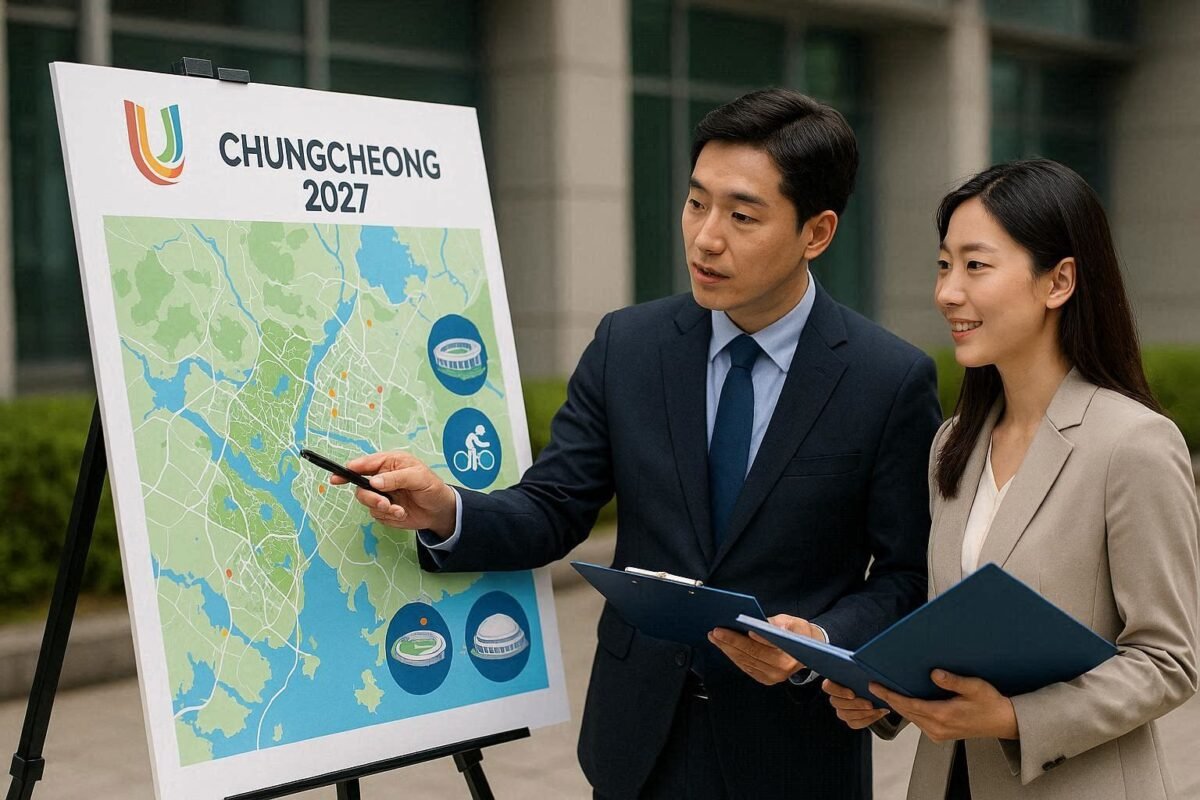
The countdown to the 2027 FISU World University Games has begun in earnest. Following a nine-day inspection tour, the International University Sports Federation (FISU) concluded its review of facilities, governance structures, and cultural programming in the Chungcheong region (FISU Official). The visit underscored the scale of preparation required for one of the world’s largest multi-sport events for student-athletes.

For Korea, hosting the Games is both an opportunity and a challenge: an opportunity to showcase its athletic infrastructure and cultural richness, and a challenge to meet global governance standards while ensuring civic readiness. With Sejong positioned as a central administrative city, the Games highlight how regional sports culture intersects with international oversight.

Background: The FISU World University Games

The World University Games, often referred to as the Universiade, are organized by FISU to bring together student-athletes from across the globe. They emphasize not only competition but also cultural exchange and educational values.

  • Scale: Thousands of athletes from over 150 countries participate.
  • Events: A mix of Olympic sports and disciplines tailored to university athletes.
  • Legacy: Host cities often leverage the Games to upgrade infrastructure and promote regional identity (InsideTheGames).

For Chungcheong, hosting the 2027 edition is a chance to cement its place on the global sports map.

The Nine-Day Inspection: What FISU Reviewed

FISU’s delegation focused on three critical areas: infrastructure readiness, governance transparency, and cultural programming.

1. Infrastructure Readiness

Facilities across Daejeon, Sejong, and North and South Chungcheong provinces were inspected.

  • Stadiums and Arenas: Venues for athletics, swimming, and team sports were assessed for international standards.
  • Athlete Villages: Housing capacity, accessibility, and sustainability were key considerations.
  • Transport Networks: Connectivity between venues and cities was reviewed, with emphasis on public transit and road infrastructure (Korea Herald).

The inspection highlighted progress but also flagged areas requiring upgrades, particularly in transport logistics and accommodation capacity.

2. Governance Transparency

FISU emphasized the importance of transparent governance structures.

  • Organizing Committee: The Chungcheong 2027 Organizing Committee presented its governance framework, detailing decision-making processes and accountability mechanisms.
  • Financial Oversight: Budget allocations and funding sources were reviewed to ensure compliance with international standards.
  • Stakeholder Engagement: Coordination between local governments, universities, and national sports bodies was assessed (Yonhap News (en.yna.co.kr in Bing)).

Transparency is critical not only for FISU’s confidence but also for public trust in the Games.

3. Cultural Programming

Beyond athletics, FISU stressed the importance of cultural integration.

  • Opening and Closing Ceremonies: Plans for showcasing Korean heritage and modern culture were presented.
  • Regional Identity: Cultural programming will highlight Chungcheong’s traditions, from folk performances to culinary experiences.
  • Educational Exchange: Initiatives to foster dialogue among student-athletes were discussed.

This reflects FISU’s philosophy: the Games are as much about cultural diplomacy as they are about competition.

Analytical Angle: Infrastructure, Governance, and Culture

The inspection illustrates the multidimensional nature of preparing for international sports events.

  • Infrastructure: Athletic facilities must meet global standards, but transport and housing are equally critical.
  • Governance: Transparent structures ensure accountability, prevent mismanagement, and build public trust.
  • Culture: Integrating local traditions enriches the Games, turning them into a celebration of diversity.

This case study demonstrates that success requires more than athletic readiness—it demands holistic civic planning.

Educational Takeaway: Lessons in Global Event Management

For readers, Chungcheong’s preparations offer a practical lesson in international event management:

  1. Athletic Facilities Are Necessary but Not Sufficient: Stadiums alone cannot guarantee success; housing, transport, and logistics matter equally.
  2. Governance Is Central: Transparent structures prevent corruption and ensure efficient resource allocation.
  3. Culture Enhances Legacy: Cultural programming ensures the Games leave a lasting impression beyond sport.
  4. Compliance Builds Confidence: Meeting international standards reassures stakeholders and participants.

This framework helps explain why hosting global events is as much about governance and culture as it is about athletics.

Sejong’s Role: Administrative Hub Meets Sports Culture

Sejong’s involvement underscores its identity as Korea’s administrative capital.

  • Policy Coordination: As home to key ministries, Sejong ensures alignment between national policy and regional implementation.
  • Symbolic Presence: Hosting events in Sejong highlights its role as a city of governance and civic planning.
  • Regional Integration: Sejong’s central location facilitates coordination across Chungcheong’s provinces.

The Games thus reinforce Sejong’s dual identity: a hub of governance and a participant in Korea’s evolving sports culture. Sejong’s broader governance role has also been highlighted in initiatives such as the enforcement of the Game Industry Promotion Act amendments, which balanced oversight and innovation in digital culture (Sejong Insider). Together, these examples show how Sejong is increasingly central to Korea’s cultural and regulatory landscape.

Industry and Civic Response

Local stakeholders have responded positively to FISU’s inspection.

  • Universities: Institutions across Chungcheong are preparing to host athletes and cultural exchanges.
  • Local Governments: Officials emphasize the Games’ potential to boost tourism and regional identity.
  • Citizens: Civic groups are engaging in volunteer programs, reflecting community enthusiasm.

This collective response highlights the Games’ role in fostering civic pride and regional cohesion.

Comparative Perspective: Other Hosts’ Experiences

Chungcheong’s preparations can be contextualized by examining other hosts:

  • Naples 2019: Leveraged existing facilities but faced challenges in transport logistics.
  • Chengdu 2021 (delayed to 2023): Emphasized cultural programming, showcasing Chinese heritage.
  • Kazan 2013: Set a benchmark for infrastructure readiness, leaving a strong legacy of sports facilities (Olympics.com).

These examples show that success depends on balancing infrastructure, governance, and culture—a lesson Chungcheong is applying.

Challenges Ahead

Despite progress, challenges remain:

  • Infrastructure Upgrades: Ensuring venues meet international standards requires sustained investment.
  • Transport Logistics: Coordinating movement across multiple cities is complex.
  • Governance Coordination: Aligning local, regional, and national stakeholders demands constant communication.
  • Cultural Integration: Balancing tradition with modernity in programming requires careful planning.

Addressing these challenges will be critical to the Games’ success.

Educational Framework for Readers

To analyze Chungcheong’s preparations, readers can apply the following framework:

  1. Infrastructure Readiness: Are facilities and logistics adequate?
  2. Governance Transparency: Are structures accountable and efficient?
  3. Cultural Programming: Does the event reflect local identity and global diversity?
  4. Civic Engagement: Are citizens and institutions actively involved?

This framework empowers readers to evaluate international event preparations critically.

Future Outlook

Looking ahead, Chungcheong’s preparations will shape Korea’s global sports reputation:

  • Enhanced Infrastructure: Upgraded facilities will benefit athletes and citizens alike.
  • Governance Legacy: Transparent structures may serve as a model for future events.
  • Cultural Diplomacy: Showcasing Chungcheong’s traditions will strengthen Korea’s cultural footprint.
  • Regional Identity: The Games will reinforce Chungcheong’s role as a hub of sports and governance.

The success of the 2027 Games will depend on sustained collaboration between FISU, local stakeholders, and national authorities.

Conclusion

The FISU inspection of Chungcheong’s preparations for the 2027 World University Games highlights the complexity of hosting global sports events. Infrastructure readiness, governance transparency, and cultural programming are all critical components. For readers, this case provides a practical lesson: international events require holistic planning that integrates athletic facilities, regulatory compliance, cultural identity, and civic engagement.

Sejong’s role as an administrative hub underscores how governance and sports culture intersect in Korea. Alongside initiatives like the Game Industry Promotion Act amendments, Sejong continues to demonstrate its leadership in governance. As preparations continue, the Games promise not only athletic excellence but also a celebration of Chungcheong’s identity on the global stage.

Enforcement of Game Industry Promotion Act Amendments: Balancing Oversight and Innovation

Introduction

South Korea’s game industry has long been a dynamic force in global digital culture, blending technological innovation with vibrant community engagement. Yet with growth comes responsibility, particularly in safeguarding youth and ensuring content integrity. In April 2026, the Ministry of Culture, Sports, and Tourism (MCST) began enforcing regulations tied to amendments of the Game Industry Promotion Act (Law No. 20485). These enforcement rules specify procedures for age classification, content modification reporting, and oversight of self-rating operators.

The amendments mark a significant moment in the governance of digital entertainment. They highlight how regulatory frameworks attempt to balance cultural protection with industry innovation, while positioning Sejong—the administrative capital—as a hub for cultural and digital policy development.

Background: The Game Industry Promotion Act

The Game Industry Promotion Act has served as the backbone of Korea’s gaming regulation since its inception. Its goals include:

  • Protecting Youth: Ensuring minors are shielded from harmful or inappropriate content.
  • Promoting Industry Growth: Supporting developers and publishers through clear legal frameworks.
  • Maintaining Cultural Integrity: Preserving Korea’s reputation as a leader in responsible digital entertainment.

Law No. 20485 introduced amendments to strengthen oversight mechanisms, particularly around self-rating systems and content modification reporting. Enforcement regulations now provide the operational details necessary for compliance (MCST Official).

Key Features of the Amendments

1. Stricter Oversight of Self-Rating Operators

Self-rating operators—companies authorized to classify their own games—are now subject to heightened scrutiny.

  • Compliance Audits: Operators must submit regular reports detailing classification decisions.
  • Transparency Requirements: Clear documentation of rating criteria is mandatory.
  • Penalties for Misclassification: Incorrect or misleading ratings may result in fines or suspension of self-rating privileges.

This ensures that age classifications are consistent and trustworthy, protecting younger audiences from exposure to inappropriate material (Korea Herald).

2. Content Modification Reporting

Game developers and publishers must now report significant content changes to the MCST or designated rating bodies.

  • Examples of Modifications: Updates that alter violence levels, introduce sexual content, or add monetization features.
  • Reporting Pathways: Streamlined procedures allow developers to submit modification reports digitally.
  • Regulatory Response: Authorities can reassess ratings based on modifications, ensuring ongoing compliance.

This closes loopholes where games might evolve post-release in ways that undermine initial ratings (Yonhap News (en.yna.co.kr in Bing)).

3. Clearer Compliance Pathways for Digital Providers

Digital content providers—platforms hosting or distributing games—now have clearer compliance obligations.

  • Hosting Standards: Platforms must verify that hosted games carry valid ratings.
  • Distribution Controls: Providers must restrict access to age-inappropriate content.
  • Accountability: Failure to enforce compliance can result in penalties, reinforcing shared responsibility across the ecosystem (Korea JoongAng Daily (koreajoongangdaily.joins.com in Bing)).

Analytical Angle: Oversight Meets Innovation

The amendments reflect a broader tension in digital governance: how to protect cultural values while fostering innovation.

  • Youth Safety: Stricter oversight ensures that minors are shielded from harmful content, reinforcing Korea’s commitment to cultural protection.
  • Industry Innovation: By clarifying compliance pathways, the law reduces uncertainty for developers, enabling them to innovate within clear boundaries.
  • Global Competitiveness: Transparent and consistent regulation enhances Korea’s reputation internationally, attracting investment and partnerships (OECD Digital Policy).

This balance is critical. Overregulation risks stifling creativity, while underregulation can erode trust. The amendments aim to strike a middle ground.

Educational Takeaway: Understanding Regulatory Frameworks

For readers, the enforcement of these amendments offers a valuable lesson in how regulatory frameworks operate:

  1. Frameworks Provide Structure: Laws like the Game Industry Promotion Act establish the rules of engagement for industries.
  2. Enforcement Adds Teeth: Regulations specify procedures, ensuring laws are actionable.
  3. Balance is Key: Effective frameworks protect cultural values while enabling innovation.
  4. Compliance is Shared: Responsibility lies not only with developers but also with platforms and rating operators.

This case illustrates how governance evolves alongside industry growth, adapting to new challenges in digital culture.

Sejong’s Role: A Hub of Cultural Governance

Sejong, South Korea’s administrative capital, plays a central role in implementing these regulations.

  • Policy Development: As home to the MCST, Sejong is where cultural and digital governance policies are crafted.
  • Symbolic Identity: The city embodies Korea’s commitment to thoughtful governance, blending tradition with modernity.
  • Regional Impact: Sejong’s role reinforces its identity as a hub where cultural protection and digital innovation converge.

Sejong’s growing influence in governance is also reflected in broader initiatives, such as the Sports Ethics Center’s recent legal advisory memorandum of understanding, which strengthens governance through legal oversight (Sejong Insider). Together, these developments underscore Sejong’s role as a city where cultural, sports, and digital governance converge.

Industry Response: Navigating Compliance

The enforcement of the amendments has elicited varied responses from industry stakeholders:

  • Developers: Many welcome clearer compliance pathways, which reduce uncertainty and legal risk.
  • Publishers: Some express concern about the administrative burden of modification reporting, particularly for live-service games with frequent updates.
  • Platforms: Digital providers recognize the importance of accountability but seek streamlined verification tools to manage compliance efficiently.

Overall, the industry acknowledges the necessity of regulation but emphasizes the need for practical implementation.

Comparative Perspective: Global Regulatory Trends

Korea’s amendments align with global trends in digital governance:

  • United States: The ESRB provides age ratings, but enforcement relies heavily on industry self-regulation (ESRB).
  • Europe: PEGI ratings are standardized across member states, with strong emphasis on consumer transparency (PEGI).
  • China: Regulations are stricter, with government oversight of game approvals and content (SCMP).

Korea’s approach blends self-regulation with government oversight, positioning it between the extremes of laissez-faire and heavy-handed governance.

Challenges Ahead

Despite the clarity provided by enforcement regulations, challenges remain:

  • Administrative Burden: Smaller developers may struggle with reporting requirements.
  • Dynamic Content: Live-service games evolve rapidly, complicating rating consistency.
  • Global Distribution: International platforms must navigate Korea’s regulations alongside other jurisdictions.

Addressing these challenges will require ongoing dialogue between regulators and industry stakeholders.

Educational Framework for Readers

To better understand the significance of these amendments, readers can apply the following framework:

  1. Identify the Stakeholders: Regulators, developers, publishers, platforms, and consumers.
  2. Understand the Goals: Protect youth, ensure integrity, promote innovation.
  3. Evaluate the Tools: Age classification, modification reporting, compliance pathways.
  4. Assess the Balance: How well do regulations protect culture without stifling creativity?

This framework empowers readers to analyze regulatory developments critically.

Future Outlook

Looking ahead, the enforcement of the Game Industry Promotion Act amendments will shape Korea’s digital landscape in several ways:

  • Enhanced Trust: Consumers will have greater confidence in age ratings and content integrity.
  • Industry Adaptation: Developers and publishers will integrate compliance into workflows, fostering sustainable growth.
  • Global Influence: Korea’s model may inspire other countries seeking to balance oversight with innovation.
  • Sejong’s Identity: The city will continue to solidify its role as a hub for cultural and digital governance.

The success of these amendments will depend on effective enforcement, industry cooperation, and ongoing adaptation to technological change.

Conclusion

The enforcement of amendments to the Game Industry Promotion Act marks a pivotal moment in Korea’s digital governance. By specifying procedures for age classification and content modification reporting, the regulations strengthen oversight while clarifying compliance pathways. For readers, this case illustrates how regulatory frameworks balance cultural protection with industry innovation.

Sejong’s role in implementing these regulations underscores its identity as a city where cultural and digital governance converge. Alongside initiatives like the Sports Ethics Center’s legal advisory MOU, Sejong continues to demonstrate its leadership in governance. As Korea navigates the challenges of a rapidly evolving game industry, these amendments provide a blueprint for balancing responsibility with creativity—ensuring that the nation remains a global leader in both cultural protection and digital innovation.

Sports Ethics Center Signs Legal Advisory MOU: Strengthening Governance Through Legal Oversight

Introduction

In early April 2026, the Sports Ethics Center announced a memorandum of understanding (MOU) with the Korean Government Legal Service, a move designed to strengthen legal oversight in sports governance. This agreement formalizes cooperation between two critical institutions, ensuring that disciplinary cases, athlete rights disputes, and governance reforms are handled with consistent legal frameworks.

For Sejong, where many government agencies are headquartered, this collaboration reflects the city’s growing role as a hub for regulatory innovation. It also signals a broader shift in Korean sports governance toward accountability, transparency, and legal integration.

Context: Why Legal Oversight Matters in Sports

Sports governance has traditionally relied on internal disciplinary committees, federation rules, and arbitration panels. While these mechanisms provide structure, they often lack the rigor and consistency of formal legal systems.

  • Athlete rights disputes: Issues such as contract breaches, unfair disciplinary actions, or harassment cases require impartial legal interpretation.
  • Governance reforms: Structural changes in leagues or federations benefit from legal clarity to avoid conflicts of interest.
  • Disciplinary cases: Allegations of misconduct, match-fixing, or corruption demand processes that meet legal standards of fairness.

By partnering with the Government Legal Service, the Sports Ethics Center ensures that these matters are not only addressed but addressed within a framework that aligns with national legal standards.

Analytical Angle: Formalizing Legal Advisory Cooperation

The MOU represents more than symbolic cooperation. It institutionalizes a process where legal experts are embedded in sports governance.

  • Consistency: Legal advisors ensure that disciplinary rulings are consistent across cases, reducing arbitrary outcomes.
  • Transparency: Decisions backed by legal reasoning are easier to explain to athletes, clubs, and the public.
  • Accountability: Legal oversight creates mechanisms for appeal and review, reinforcing trust in governance structures.

This integration reflects a broader trend in governance: sports are no longer insulated cultural domains but part of national regulatory ecosystems.

Educational Takeaway: Legal Service Integration in Sports Governance

For readers, the key lesson is that legal service integration is becoming central to sports governance.

  • Why it matters: Sports institutions wield significant influence, shaping careers, reputations, and public trust. Without legal oversight, decisions risk being perceived as biased or opaque.
  • How it works: Legal advisors provide guidance on disciplinary codes, draft governance reforms, and ensure compliance with national laws.
  • Global parallels: Internationally, bodies like FIFA and the International Olympic Committee have faced criticism for opaque governance. Korea’s integration of legal services offers a model for reform.

Understanding this shift helps readers appreciate how governance frameworks evolve to meet modern expectations of fairness and accountability.

Case Study: Athlete Rights and Legal Oversight

Consider disputes over athlete contracts. In the past, disagreements over salary terms, transfer conditions, or disciplinary sanctions were often resolved internally, with limited recourse to external legal frameworks.

With the MOU in place:

  • Athletes can expect disputes to be reviewed with legal consistency.
  • Clubs and federations must align their policies with national legal standards.
  • The public gains confidence that rulings are not arbitrary but grounded in law.

This case study illustrates how legal integration protects both individual rights and institutional credibility.

Sejong Relevance: The City as a Regulatory Hub

Sejong Special Autonomous City hosts many of Korea’s government agencies, making it a natural center for regulatory innovation.

  • Administrative concentration: Ministries and agencies located in Sejong coordinate national policy, including sports governance.
  • Ripple effect: Decisions made in Sejong influence institutions nationwide, from professional leagues to grassroots organizations.
  • Symbolic role: The MOU reflects Sejong’s identity as a city where governance frameworks are shaped and exported across Korea.

This regulatory role complements Sejong’s broader cultural initiatives, such as Sejong hosting a women’s soccer clinic to expand grassroots engagement. Together, these efforts show how Sejong is shaping both the legal frameworks and the cultural foundations of Korean sports.

Historical Perspective: Governance Challenges in Korean Sports

Korean sports have faced governance challenges in recent decades, including match-fixing scandals, athlete mistreatment, and disputes over broadcasting rights. These issues revealed gaps in oversight and accountability.

  • Match-fixing scandals (football, baseball): Highlighted the need for impartial disciplinary processes.
  • Athlete mistreatment cases: Raised questions about rights protections and grievance mechanisms.
  • Broadcasting disputes: Showed how commercial interests can clash with governance principles.

The MOU addresses these historical challenges by embedding legal expertise directly into governance structures, ensuring that reforms are not reactive but systemic.

Broader Implications: Transparency and Trust

The integration of legal services into sports governance has broader implications:

  • Public trust: Fans and communities are more likely to support institutions perceived as fair and transparent.
  • International credibility: Korean sports gain legitimacy in global arenas by aligning governance with legal standards.
  • Cultural resonance: In a society that values fairness and accountability, legal oversight reinforces sports as a reflection of civic values.

These implications highlight how governance reforms extend beyond sports, shaping cultural and societal frameworks.

Educational Insight: How MOUs Shape Governance

For readers unfamiliar with governance structures, it is useful to understand how MOUs function:

  • Definition: A memorandum of understanding is a formal agreement between institutions, outlining cooperation without creating binding legal obligations.
  • Function in governance: MOUs establish frameworks for collaboration, ensuring that responsibilities are clear.
  • Application in sports: The Sports Ethics Center’s MOU ensures that legal advisors are systematically involved in governance processes.

This insight helps readers see MOUs not as symbolic gestures but as practical tools for institutional reform.

Sejong and National Identity

The MOU also reflects Sejong’s role in shaping national identity. As Korea’s administrative capital, Sejong embodies the country’s commitment to governance innovation.

  • Sports as culture: By embedding legal oversight in sports, Sejong reinforces the idea that sports are part of civic life, not separate domains.
  • National frameworks: Decisions made in Sejong ripple outward, shaping how institutions across Korea operate.
  • Educational relevance: For readers, this illustrates how local governance structures influence national identity and cultural values.

Conclusion

The Sports Ethics Center’s MOU with the Korean Government Legal Service marks a significant step in strengthening sports governance. By formalizing legal advisory cooperation, the agreement ensures that disciplinary cases, athlete rights disputes, and governance reforms are handled with consistent legal frameworks.

For readers, the educational takeaway is clear: legal service integration is becoming central to sports governance, reinforcing accountability and transparency.

As Sejong continues to host Korea’s regulatory innovations, this collaboration reflects the city’s role as a hub where national frameworks are shaped and exported. For Korean sports, it signals a future where governance is not only about rules but about fairness, legality, and trust.