Introduction
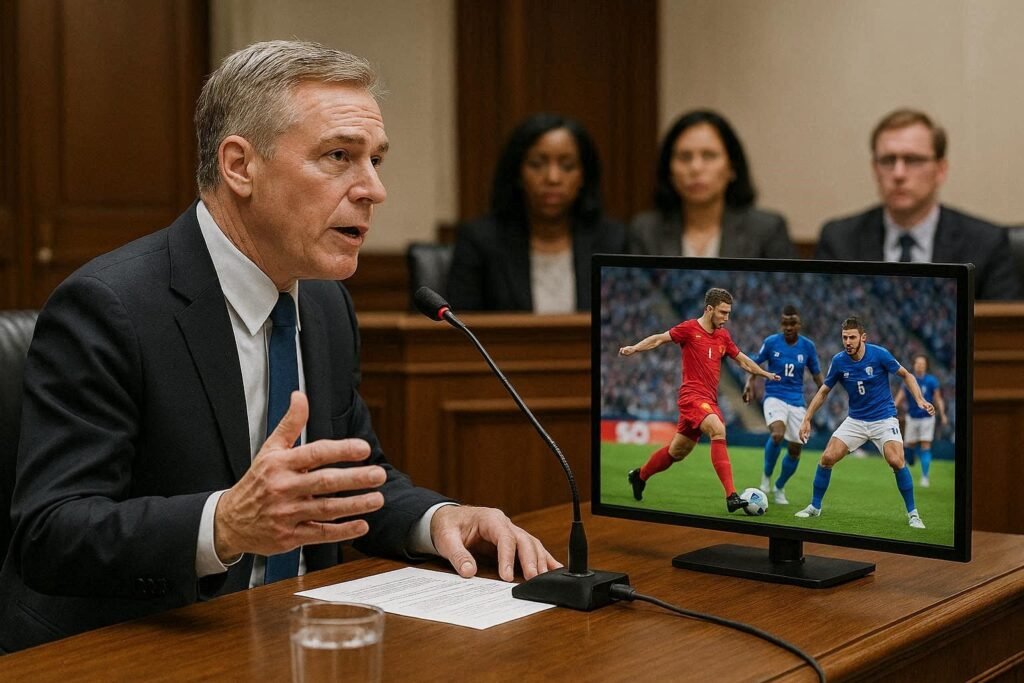
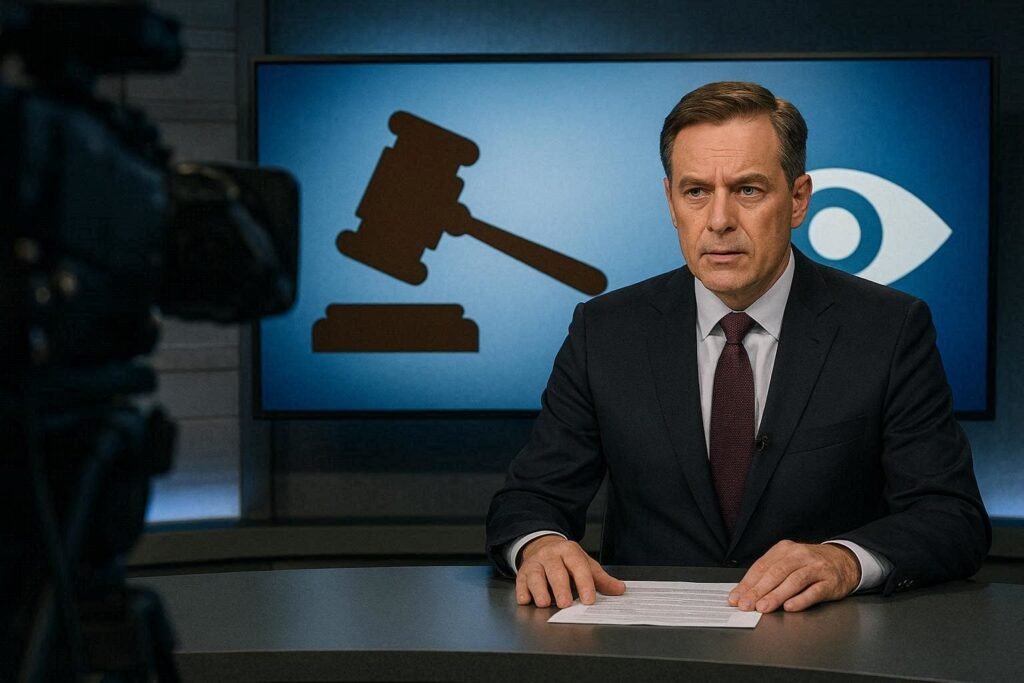
South Korea’s National Assembly is currently reviewing a Broadcasting Act amendment designed to protect citizens’ right to watch major sports events such as the Olympics and the FIFA World Cup without additional fees. This legislative initiative responds to growing concerns over exclusive broadcasting rights deals, including JTBC’s attempt to monopolize coverage of international competitions. The amendment seeks to ensure that nationally significant events remain accessible to all citizens, reinforcing the principle of universal viewing rights.
Background: Exclusive Rights and Public Access
Exclusive broadcasting rights have long been a contentious issue in South Korea. When a single broadcaster secures rights to major events, viewers often face subscription fees or limited access. This undermines the principle that events of national importance should be freely available to the public. The controversy surrounding JTBC’s bid to monopolize coverage highlighted the risks of allowing commercial interests to override public access.
Lawmakers argue that sports events like the Olympics and World Cup transcend entertainment—they are cultural and civic moments that unite the nation. Restricting access through paywalls or exclusive deals diminishes their social value.
Proposed Solutions in the Amendment
The Broadcasting Act amendment introduces several mechanisms to safeguard public access:
- Joint Purchasing Consortia: Broadcasters would be encouraged to form consortia to jointly purchase rights, ensuring that no single entity monopolizes coverage.
- Restrictions on Resale Practices: The amendment limits the ability of broadcasters to resell rights at inflated costs, preventing secondary market exploitation.
- Public Access Guarantees: Nationally significant events must be broadcast on free-to-air channels, ensuring universal accessibility.
These measures aim to balance commercial interests with public rights, creating a framework where both broadcasters and citizens benefit.
Sejong’s Role in Legislative Development
For Sejong readers, this amendment is particularly relevant. The Legislation Office in Sejong City is directly involved in drafting and reviewing these reforms. This underscores how government policy in Sejong shapes national sports media access. By situating legislative work in Sejong, the government emphasizes transparency and civic accountability in policymaking.
For more details on related legislative debates, see
Sejong Insider: Lawmaker Calls for Public Access Rules in Sports Broadcasting.
International Comparisons
South Korea’s debate mirrors global discussions on broadcasting rights. In the United Kingdom, the “listed events” system ensures that major competitions like the FIFA World Cup and Wimbledon are available on free-to-air television. Similarly, the European Union has emphasized the importance of public access to culturally significant events. These international models provide valuable lessons for South Korea as it seeks to balance commercial broadcasting with civic responsibility.
External references:
Implications for Broadcasters
Broadcasters face both challenges and opportunities under the proposed amendment. While joint purchasing consortia may reduce individual control, they also lower costs and expand reach. Restrictions on resale practices prevent profiteering but encourage fair competition. Ultimately, broadcasters can benefit from increased public trust and broader audience engagement when events are universally accessible.
Impact on Citizens
For citizens, the amendment represents a reaffirmation of their cultural rights. Watching the Olympics or World Cup is not merely entertainment—it is a shared national experience. Ensuring free access strengthens social cohesion and reinforces the idea that sports are a public good. Citizens stand to benefit from reduced financial barriers and increased transparency in broadcasting practices.
Educational Insight: Media Literacy and Civic Engagement
The Broadcasting Act amendment also offers educational insights. By emphasizing universal access, lawmakers highlight the importance of media literacy and civic engagement. Citizens must understand how broadcasting rights affect their access to information and cultural events. This awareness fosters informed debate and strengthens democratic accountability in media policy.
Challenges Ahead
Despite its promise, the amendment faces challenges. Broadcasters may resist joint purchasing consortia, fearing loss of competitive advantage. International rights holders may demand higher fees, complicating negotiations. Enforcement mechanisms must be robust to prevent loopholes in resale restrictions. Addressing these challenges will require careful coordination between lawmakers, broadcasters, and civil society.
Conclusion
South Korea’s Broadcasting Act amendment places universal viewing rights at the center of national debate. By addressing concerns over exclusive rights deals and proposing mechanisms like joint purchasing consortia and resale restrictions, lawmakers aim to protect citizens’ access to major sports events. Sejong’s role in drafting and reviewing these reforms highlights the city’s importance in shaping national policy.
Ultimately, the amendment reflects a broader commitment to civic values in media policy. Ensuring that events like the Olympics and World Cup remain accessible to all citizens reinforces the idea that sports are a public good, not a private commodity. As the National Assembly continues its review, the outcome will shape the future of broadcasting and public access in South Korea.