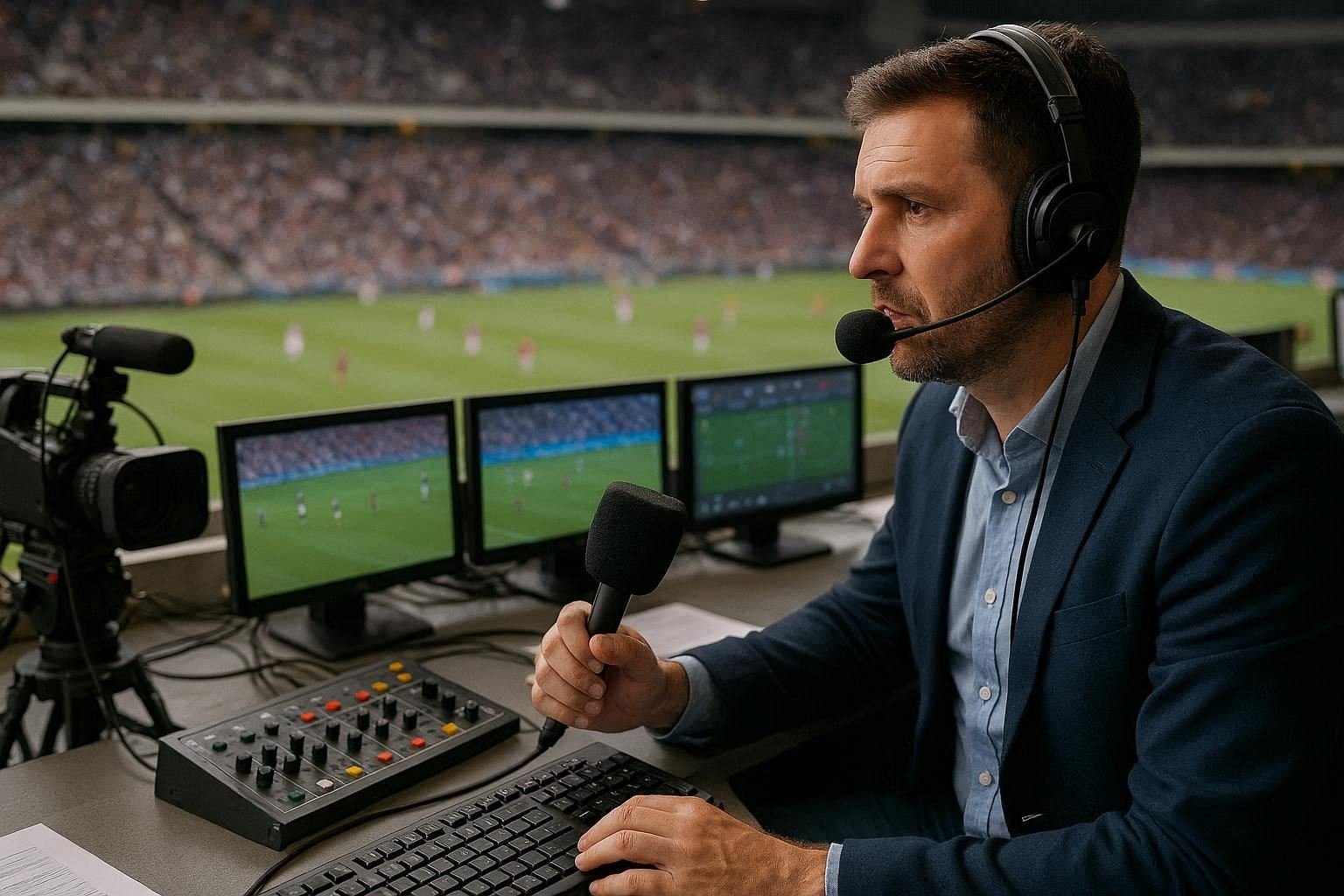
Introduction: A Historic Break in Coverage
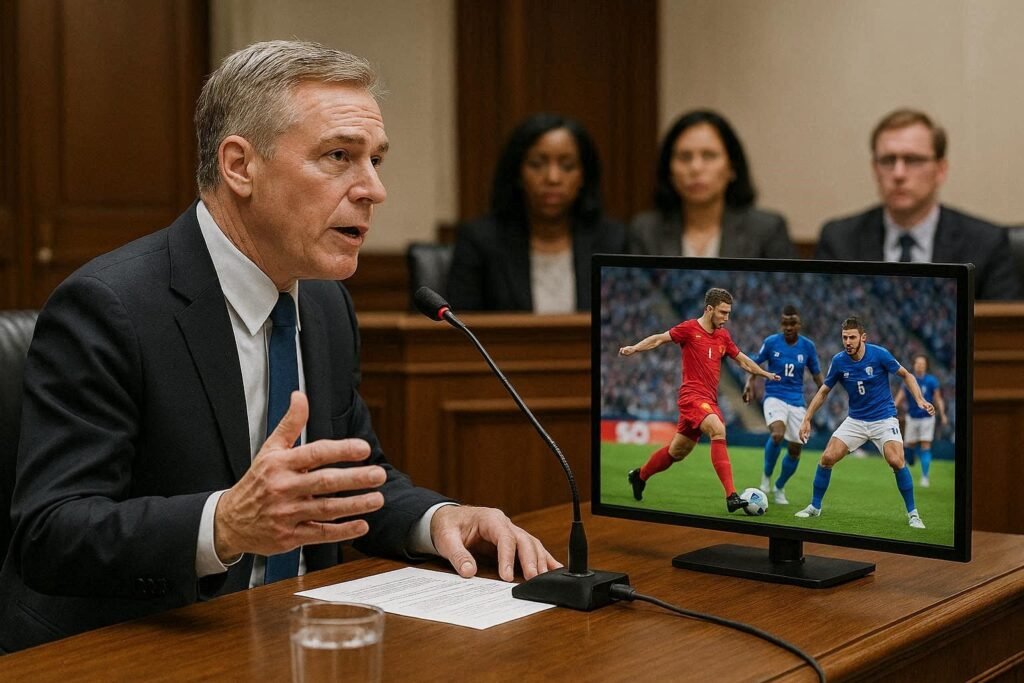
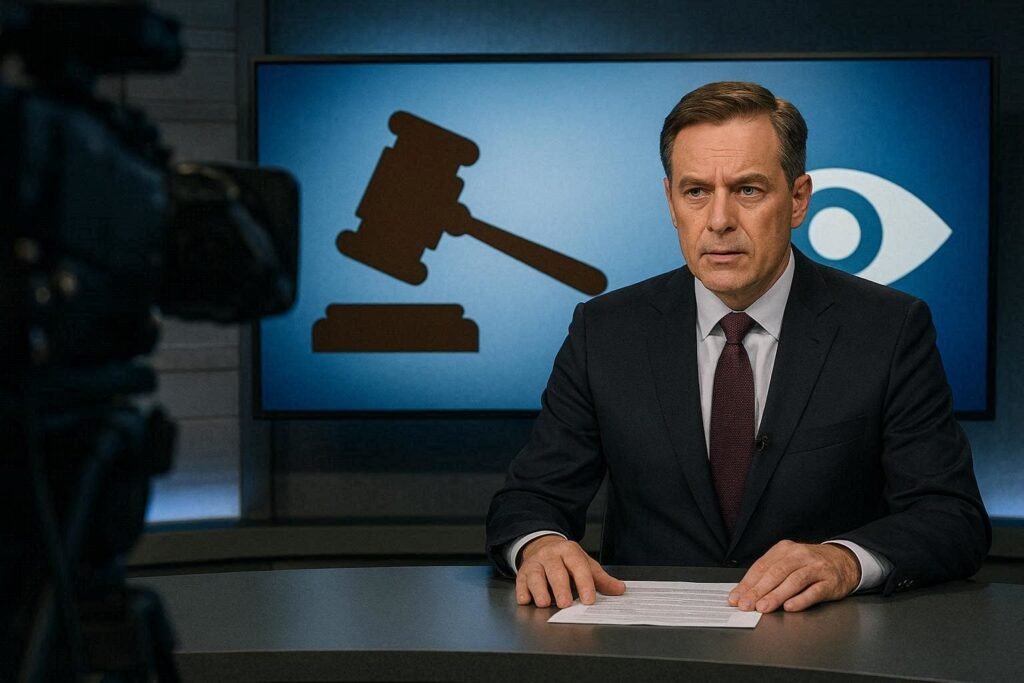
For the first time in 62 years, South Korean audiences were unable to watch the Winter Olympics on terrestrial television. The Milano Cortina 2026 Games, a global spectacle, aired exclusively through paid platforms, leaving millions without access to what has traditionally been a shared national experience. In response, a South Korean lawmaker has called for reforms to classify major international sports broadcasts as a public good, reigniting debate over the balance between commercial rights and universal viewing access.
This moment is more than a broadcasting hiccup—it is a cultural and legal turning point. It raises questions about the Broadcasting Act, the Ministry of Culture, Sports and Tourism’s role, and the broader principle of whether sports should be treated as a commodity or a public right.
Context: The End of a Tradition
Since the 1960 Squaw Valley Winter Olympics, South Korea has ensured that major international sporting events were accessible to the public through terrestrial channels. These broadcasts were not merely entertainment; they were cultural touchstones, moments of collective identity, and opportunities for national pride. The absence of free coverage in 2026 broke that tradition, sparking public frustration and political scrutiny.
The lawmaker’s intervention reflects this cultural rupture. By urging reforms, they highlight the need to protect citizens’ rights to access events that transcend individual fandom and embody shared national values.
Legal Angle: Broadcasting Act and Public Interest
At the heart of the debate is the Broadcasting Act, which governs how rights are acquired and distributed. Currently, exclusive contracts allow private broadcasters or streaming platforms to secure coverage, often prioritizing commercial gain over public accessibility. The lawmaker’s proposal suggests amending the Act to classify certain events—such as the Olympics, World Cup, and Asian Games—as “public goods,” requiring at least partial free-to-air coverage.
This raises several legal questions:
- Universal Viewing Rights: Should citizens have guaranteed access to events of national and cultural significance?
- Commercial Contracts vs. Public Interest: How should regulators balance the financial realities of broadcasting with the principle of equitable access?
- Role of the Ministry of Culture, Sports and Tourism: The Ministry is tasked with promoting cultural engagement. Should it intervene more directly in negotiating rights to ensure public accessibility?
For readers interested in the legal framework, South Korea’s Broadcasting Act is available through the Korea Legislation Research Institute.
Cultural Angle: Sports as a Public Good
Sports broadcasts are not just media products; they are cultural rituals. The Olympics, in particular, symbolize unity, perseverance, and national pride. When access is restricted, the cultural fabric is weakened. Citizens lose opportunities to engage collectively, and younger generations miss formative experiences of watching athletes represent their country on the global stage.
The lawmaker’s call reflects a broader cultural argument: sports, especially international competitions, should be treated as public goods. This perspective aligns with practices in other countries, where governments mandate free coverage of major events to preserve cultural cohesion. For a related example of how governance and cultural integration shape sports access, see this analysis of the Chungcheong 2027 FISU World University Games.
Case Study: International Comparisons
South Korea is not alone in facing this dilemma. Many nations have implemented “listed events” policies, ensuring that certain competitions remain accessible:
- United Kingdom: The Broadcasting Act designates events like the FIFA World Cup and the Olympics as “listed events,” requiring free-to-air coverage. See the UK’s Ofcom guidance on listed events.
- Germany: Public broadcasters are guaranteed rights to major tournaments, reflecting the principle of universal access.
- Australia: The Anti-Siphoning List ensures that culturally significant sports are available on free television before pay-TV providers can bid. Details are available from the Australian Communications and Media Authority.
These examples demonstrate that regulatory frameworks can balance commercial interests with public rights, offering models for South Korea to consider.
Educational Insight: Why Regulatory Frameworks Matter
For readers, this debate illustrates how media law intersects with cultural access. Regulatory frameworks are not abstract legalities; they shape everyday experiences of sports engagement. Without them, access becomes fragmented, favoring those who can afford subscriptions and excluding those who cannot.
Key takeaways include:
- Equitable Engagement: Laws ensure that sports remain inclusive, reinforcing their role as cultural touchstones.
- Balancing Interests: Regulations mediate between broadcasters’ commercial imperatives and citizens’ rights.
- Cultural Continuity: Public access preserves traditions, ensuring that events like the Olympics remain shared national experiences.
- Democratic Principles: Universal access reflects the democratic ideal that cultural goods should not be restricted by economic barriers.
Implications for the Ministry of Culture, Sports and Tourism
The Ministry faces a pivotal role in this debate. Its mandate includes promoting cultural participation and safeguarding public interest. By intervening in broadcasting negotiations, the Ministry could ensure that future contracts include provisions for free coverage of major events. This would align with its broader mission of fostering national unity and cultural engagement.
However, intervention also raises challenges. Negotiating with powerful broadcasters and international rights holders requires balancing diplomacy with regulation. The Ministry must navigate these complexities while prioritizing citizens’ rights.
Broader Impact: Sports, Media, and Democracy
The debate over sports broadcasting is emblematic of broader questions about media and democracy. In an era where streaming platforms dominate, access to cultural goods is increasingly commodified. Without regulatory safeguards, inequality in access becomes entrenched, undermining the democratic principle of shared cultural participation.
Sports, by their nature, transcend individual consumption. They are collective experiences, binding communities and nations. Ensuring public access is not merely a legal issue—it is a democratic imperative.
Conclusion: A Call for Reform
The absence of terrestrial coverage for the Milano Cortina 2026 Winter Olympics marked a historic break in South Korea’s broadcasting tradition. In response, a lawmaker’s call for reform highlights the urgent need to reclassify major sports broadcasts as public goods. This debate is not only about contracts and rights; it is about cultural identity, democratic principles, and the role of law in safeguarding shared experiences.
For readers, the lesson is clear: regulatory frameworks matter. They determine whether sports remain inclusive cultural rituals or exclusive commodities. As South Korea considers reforms, the challenge will be to balance commercial realities with the universal right to engage in the cultural moments that define a nation.