Introduction
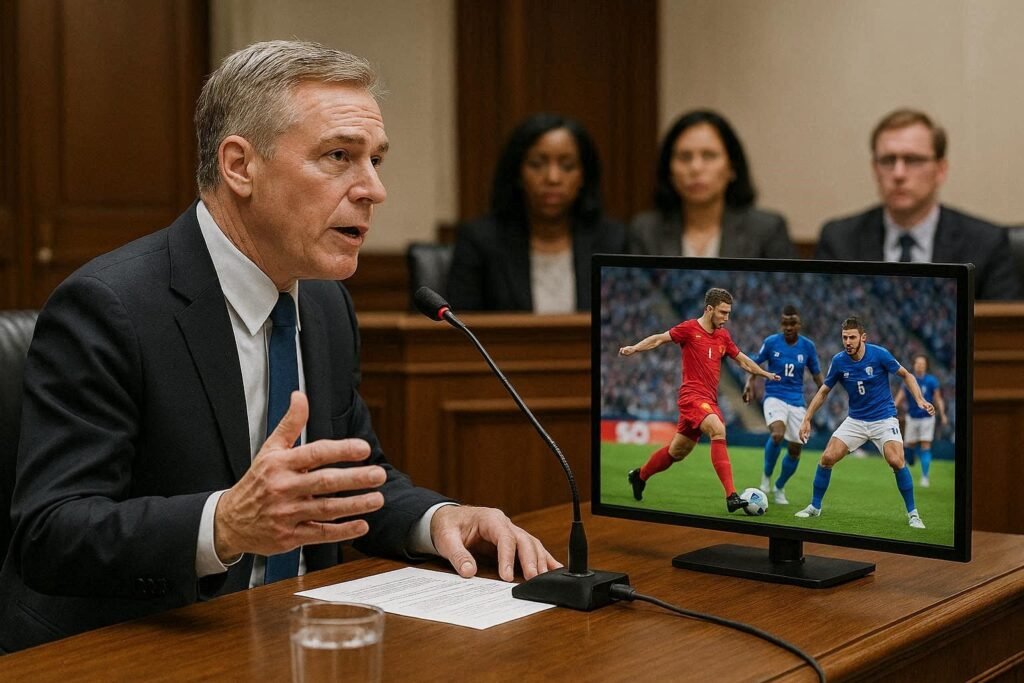
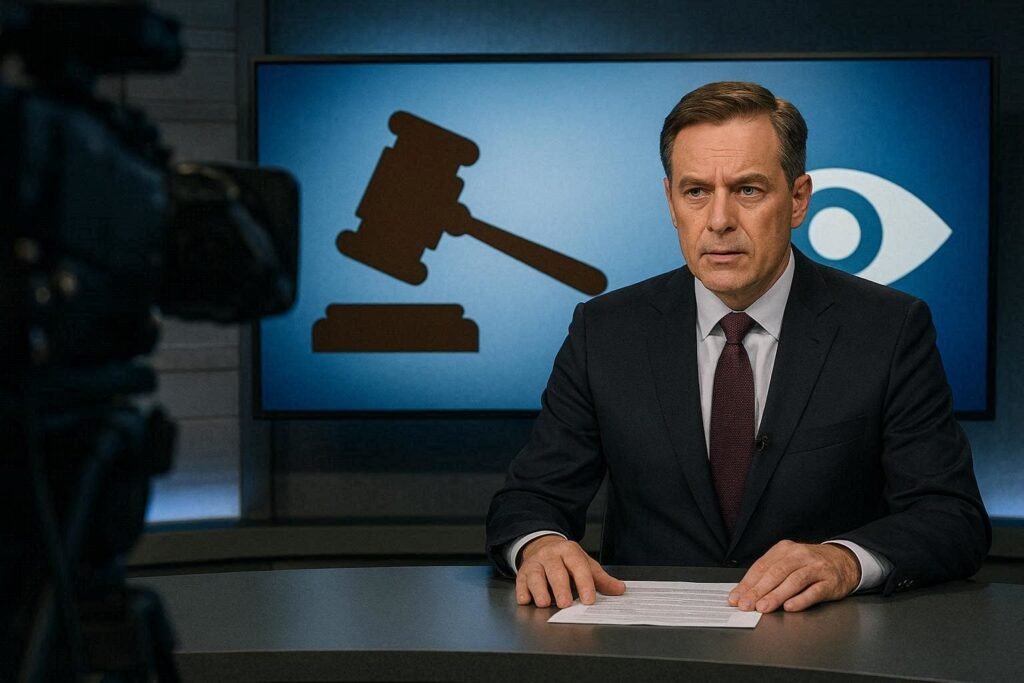
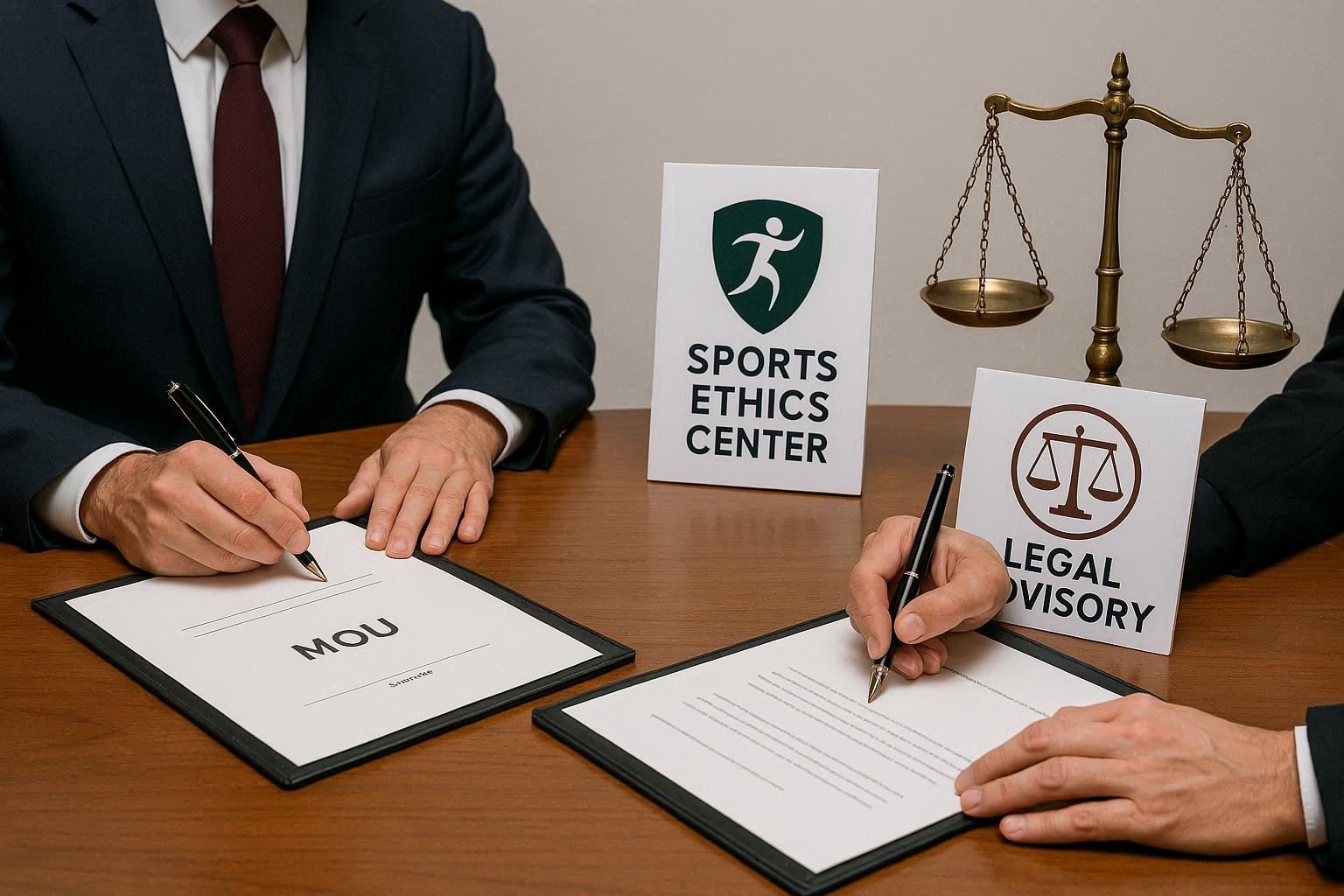
In early April 2026, the Sports Ethics Center announced a memorandum of understanding (MOU) with the Korean Government Legal Service, a move designed to strengthen legal oversight in sports governance. This agreement formalizes cooperation between two critical institutions, ensuring that disciplinary cases, athlete rights disputes, and governance reforms are handled with consistent legal frameworks.
For Sejong, where many government agencies are headquartered, this collaboration reflects the city’s growing role as a hub for regulatory innovation. It also signals a broader shift in Korean sports governance toward accountability, transparency, and legal integration.
Context: Why Legal Oversight Matters in Sports
Sports governance has traditionally relied on internal disciplinary committees, federation rules, and arbitration panels. While these mechanisms provide structure, they often lack the rigor and consistency of formal legal systems.
- Athlete rights disputes: Issues such as contract breaches, unfair disciplinary actions, or harassment cases require impartial legal interpretation.
- Governance reforms: Structural changes in leagues or federations benefit from legal clarity to avoid conflicts of interest.
- Disciplinary cases: Allegations of misconduct, match-fixing, or corruption demand processes that meet legal standards of fairness.
By partnering with the Government Legal Service, the Sports Ethics Center ensures that these matters are not only addressed but addressed within a framework that aligns with national legal standards.
Analytical Angle: Formalizing Legal Advisory Cooperation
The MOU represents more than symbolic cooperation. It institutionalizes a process where legal experts are embedded in sports governance.
- Consistency: Legal advisors ensure that disciplinary rulings are consistent across cases, reducing arbitrary outcomes.
- Transparency: Decisions backed by legal reasoning are easier to explain to athletes, clubs, and the public.
- Accountability: Legal oversight creates mechanisms for appeal and review, reinforcing trust in governance structures.
This integration reflects a broader trend in governance: sports are no longer insulated cultural domains but part of national regulatory ecosystems.
Educational Takeaway: Legal Service Integration in Sports Governance
For readers, the key lesson is that legal service integration is becoming central to sports governance.
- Why it matters: Sports institutions wield significant influence, shaping careers, reputations, and public trust. Without legal oversight, decisions risk being perceived as biased or opaque.
- How it works: Legal advisors provide guidance on disciplinary codes, draft governance reforms, and ensure compliance with national laws.
- Global parallels: Internationally, bodies like FIFA and the International Olympic Committee have faced criticism for opaque governance. Korea’s integration of legal services offers a model for reform.
Understanding this shift helps readers appreciate how governance frameworks evolve to meet modern expectations of fairness and accountability.
Case Study: Athlete Rights and Legal Oversight
Consider disputes over athlete contracts. In the past, disagreements over salary terms, transfer conditions, or disciplinary sanctions were often resolved internally, with limited recourse to external legal frameworks.
With the MOU in place:
- Athletes can expect disputes to be reviewed with legal consistency.
- Clubs and federations must align their policies with national legal standards.
- The public gains confidence that rulings are not arbitrary but grounded in law.
This case study illustrates how legal integration protects both individual rights and institutional credibility.
Sejong Relevance: The City as a Regulatory Hub
Sejong Special Autonomous City hosts many of Korea’s government agencies, making it a natural center for regulatory innovation.
- Administrative concentration: Ministries and agencies located in Sejong coordinate national policy, including sports governance.
- Ripple effect: Decisions made in Sejong influence institutions nationwide, from professional leagues to grassroots organizations.
- Symbolic role: The MOU reflects Sejong’s identity as a city where governance frameworks are shaped and exported across Korea.
This regulatory role complements Sejong’s broader cultural initiatives, such as Sejong hosting a women’s soccer clinic to expand grassroots engagement. Together, these efforts show how Sejong is shaping both the legal frameworks and the cultural foundations of Korean sports.
Historical Perspective: Governance Challenges in Korean Sports
Korean sports have faced governance challenges in recent decades, including match-fixing scandals, athlete mistreatment, and disputes over broadcasting rights. These issues revealed gaps in oversight and accountability.
- Match-fixing scandals (football, baseball): Highlighted the need for impartial disciplinary processes.
- Athlete mistreatment cases: Raised questions about rights protections and grievance mechanisms.
- Broadcasting disputes: Showed how commercial interests can clash with governance principles.
The MOU addresses these historical challenges by embedding legal expertise directly into governance structures, ensuring that reforms are not reactive but systemic.
Broader Implications: Transparency and Trust
The integration of legal services into sports governance has broader implications:
- Public trust: Fans and communities are more likely to support institutions perceived as fair and transparent.
- International credibility: Korean sports gain legitimacy in global arenas by aligning governance with legal standards.
- Cultural resonance: In a society that values fairness and accountability, legal oversight reinforces sports as a reflection of civic values.
These implications highlight how governance reforms extend beyond sports, shaping cultural and societal frameworks.
Educational Insight: How MOUs Shape Governance
For readers unfamiliar with governance structures, it is useful to understand how MOUs function:
- Definition: A memorandum of understanding is a formal agreement between institutions, outlining cooperation without creating binding legal obligations.
- Function in governance: MOUs establish frameworks for collaboration, ensuring that responsibilities are clear.
- Application in sports: The Sports Ethics Center’s MOU ensures that legal advisors are systematically involved in governance processes.
This insight helps readers see MOUs not as symbolic gestures but as practical tools for institutional reform.
Sejong and National Identity
The MOU also reflects Sejong’s role in shaping national identity. As Korea’s administrative capital, Sejong embodies the country’s commitment to governance innovation.
- Sports as culture: By embedding legal oversight in sports, Sejong reinforces the idea that sports are part of civic life, not separate domains.
- National frameworks: Decisions made in Sejong ripple outward, shaping how institutions across Korea operate.
- Educational relevance: For readers, this illustrates how local governance structures influence national identity and cultural values.
Conclusion
The Sports Ethics Center’s MOU with the Korean Government Legal Service marks a significant step in strengthening sports governance. By formalizing legal advisory cooperation, the agreement ensures that disciplinary cases, athlete rights disputes, and governance reforms are handled with consistent legal frameworks.
For readers, the educational takeaway is clear: legal service integration is becoming central to sports governance, reinforcing accountability and transparency.
As Sejong continues to host Korea’s regulatory innovations, this collaboration reflects the city’s role as a hub where national frameworks are shaped and exported. For Korean sports, it signals a future where governance is not only about rules but about fairness, legality, and trust.