Sejong Insider

Sejong Hosts Women’s Soccer Clinic to Expand Grassroots Engagement

Introduction

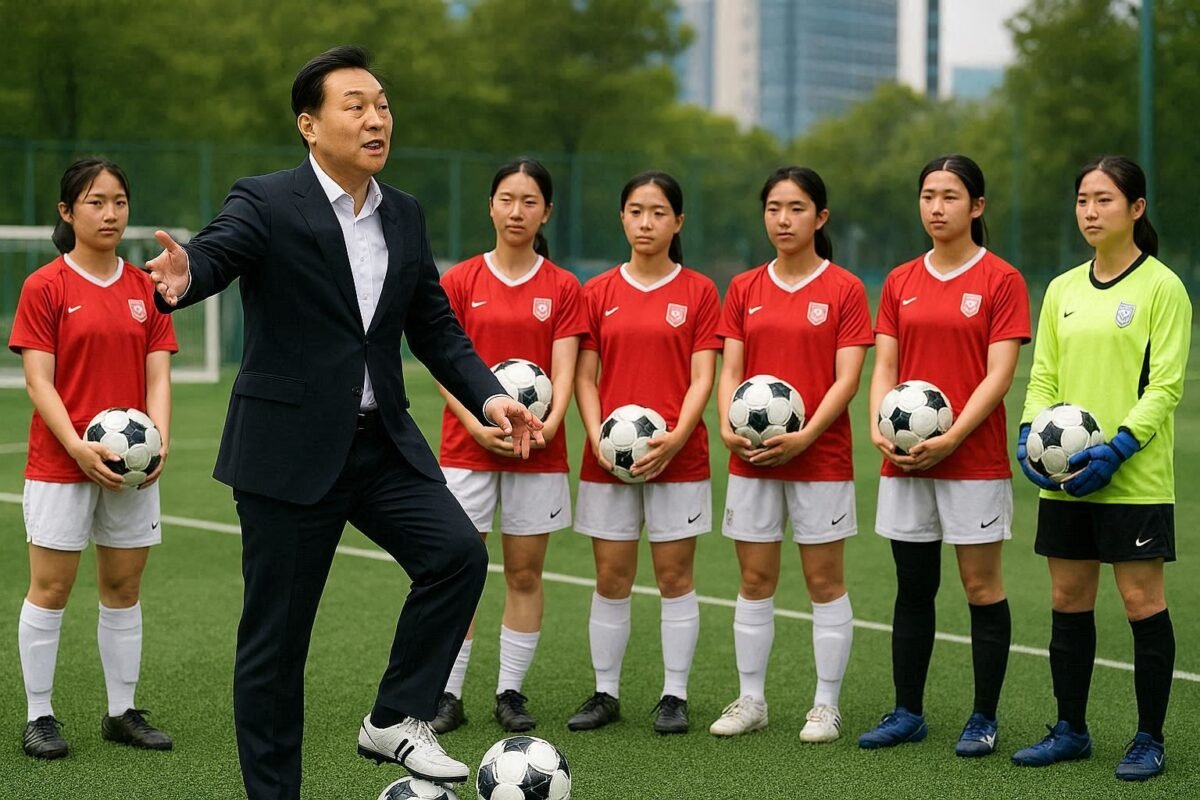
In April 2026, the Sports Toto women’s football team launched a landmark soccer clinic in Sejong, offering 28 sessions designed for local girls and adult women. While the program may appear as a simple training initiative, its significance lies in how it connects grassroots participation to broader cultural and structural narratives in Korean sports. For Sejong, a city known for its role as Korea’s administrative capital, the clinic underscores how sports institutions contribute to civic identity, inclusivity, and gender equity.

Context: Why Grassroots Programs Matter

Grassroots sports programs are the foundation of national athletic development. They provide entry points for beginners, foster community engagement, and create pathways for future talent. In Korea, where professional leagues like the K League and the KBO dominate headlines, initiatives like Sejong’s soccer clinic remind us that sports culture begins locally.

  • Accessibility: Clinics lower barriers to entry, offering structured training without the pressure of professional competition.
  • Representation: Programs tailored for women highlight inclusivity, ensuring that sports culture reflects diverse participation.
  • Community Building: Local initiatives strengthen civic identity by connecting residents through shared activities.

Cultural Angle: Community Impact

The Sejong soccer clinic reflects how sports institutions contribute to civic identity:

  • Inclusivity: By targeting both girls and adult women, the program challenges traditional gender divides in sports participation.
  • Equity: Women’s sports often receive less visibility; grassroots clinics help balance representation by creating accessible opportunities.
  • Civic Identity: Sejong’s role as host city reinforces its image as a hub for progressive sports culture, aligning with its broader identity as Korea’s administrative capital.

These elements show how sports are not just about competition but about shaping community values.

Educational Value: Linking Grassroots to Professional Leagues

For beginners, the clinic demonstrates how grassroots initiatives complement professional leagues:

  1. Talent Pathways: Clinics provide early training that can lead to participation in school teams, amateur leagues, and eventually professional clubs.
  2. Structural Link: Professional leagues rely on grassroots programs to sustain talent pipelines, ensuring long-term competitiveness.
  3. National Development: Grassroots engagement expands the fan base, creating cultural support for professional leagues.

This structural link helps readers understand why local participation matters for national sports development.

Regional Relevance: Sejong’s Role

As a Sejong-based initiative, the clinic underscores the city’s role in shaping cultural narratives around women’s sports:

  • Administrative Capital: Sejong’s identity as Korea’s policy hub makes it a symbolic location for progressive sports initiatives.
  • Regional Engagement: The clinic strengthens sports culture in Chungcheong, connecting local communities to national narratives.
  • Visibility: Hosting women’s programs in Sejong amplifies their importance, signaling that gender equity in sports is a civic priority.

This regional relevance highlights how Sejong contributes to Korea’s evolving sports ecosystem.

Grassroots Engagement: Beyond the Field

The clinic’s impact extends beyond athletic training:

  • Health Benefits: Participation promotes physical fitness and well-being.
  • Social Bonds: Clinics foster friendships and networks, strengthening community cohesion.
  • Confidence Building: Sports participation empowers women and girls, reinforcing self-esteem and leadership skills.

These outcomes illustrate how grassroots sports initiatives contribute to broader societal goals.

Comparative Insight: Women’s Sports in Korea

The Sejong clinic fits into a broader trend of expanding women’s sports in Korea:

  • Professional Leagues: The WK League (Women’s K League) provides a professional platform, but grassroots programs are essential to sustain talent.
  • International Competitions: Korea’s women’s national team competes globally, highlighting the need for strong domestic development.
  • Cultural Shifts: Increasing visibility of women’s sports reflects broader societal changes toward inclusivity and equity.

Understanding these trends helps readers see how local clinics connect to national and international narratives.

Structural Insight: How Clinics Are Organized

For beginners, it’s useful to understand how grassroots clinics are structured:

  • Sessions: The Sejong program offers 28 sessions, balancing skill development with accessibility.
  • Coaching: Professional players and coaches provide instruction, ensuring quality training.
  • Curriculum: Clinics focus on fundamentals — passing, dribbling, teamwork — while also emphasizing values like discipline and respect.

This structure ensures that clinics are both educational and culturally impactful.

Broader Implications: Sports and Civic Identity

The Sejong clinic illustrates broader principles of how sports intersect with civic identity:

  • Policy Alignment: Grassroots initiatives align with national goals of promoting health, inclusivity, and community engagement.
  • Cultural Diplomacy: Women’s sports programs contribute to Korea’s global image as a progressive society.
  • Economic Impact: Local events generate activity for businesses, reinforcing the link between sports and civic development.

These implications show how sports initiatives are embedded in broader societal frameworks. They also connect to other civic efforts in Sejong, such as the appointment of human rights protectors for Korean athletes (Human Rights Protectors Appointed for Korean Athletes), which highlights how governance and grassroots initiatives together safeguard inclusivity and fairness in sports.

Conclusion

The Sports Toto women’s soccer clinic in Sejong is more than a training program — it is a cultural and structural milestone. By offering 28 sessions for local girls and adult women, the clinic promotes inclusivity, equity, and civic identity. For beginners, it demonstrates how grassroots initiatives complement professional leagues, linking local participation to national sports development.

As Sejong continues to shape Korea’s cultural and policy narratives, initiatives like this clinic reinforce the city’s role in advancing gender equity and community engagement in sports. The story of Sejong’s soccer clinic is ultimately a story of how grassroots programs build the foundation for national progress, ensuring that sports culture is inclusive, representative, and deeply connected to civic identity.

Further Reading

Human Rights Protectors Appointed for Korean Athletes

Introduction

In April 2026, the Korea Sport Ethics Center (K-SEC) announced the appointment of new human rights protectors tasked with monitoring athlete safety nationwide. This initiative represents a significant step in institutionalizing athlete welfare within South Korea’s sports ecosystem. By embedding oversight into the framework of the National Sports Promotion Act, the government and K-SEC aim to address long-standing blind spots in athlete protection, ensuring that rights are safeguarded alongside performance.

Why Athlete Rights Protection Matters

South Korea’s sporting culture has produced world-class athletes across disciplines, from football and baseball to Olympic sports. Yet, behind the medals and accolades, stories of abuse, neglect, and systemic blind spots have periodically surfaced. Athletes, particularly at the youth and amateur levels, often face intense pressure from coaches, institutions, and federations. In some cases, this pressure has led to physical and psychological harm, sparking public outcry and calls for reform.

The appointment of human rights protectors is designed to create a systematic inspection network that can intervene before harm escalates. These protectors will monitor training environments, investigate complaints, and ensure compliance with ethical standards. Their presence signals a cultural shift: athlete welfare is no longer secondary to performance but a central pillar of Korea’s sports governance.

Legal and Cultural Angle

The initiative operates under the National Sports Promotion Act, which provides the legal foundation for athlete welfare policies. This Act has historically focused on promoting sports development, funding infrastructure, and supporting elite programs. However, recent amendments have expanded its scope to include ethics and human rights, reflecting a broader societal demand for accountability.

Legal Framework

  • Mandate: Human rights protectors are empowered to conduct inspections, receive reports, and recommend corrective measures.
  • Authority: Their role is backed by statutory authority, ensuring that sports organizations must comply with their findings.
  • Integration: Protectors work in coordination with K-SEC, local sports federations, and educational institutions, creating a nationwide oversight network.

Cultural Significance

South Korea’s culture places high value on discipline, hierarchy, and achievement. In sports, this has often translated into rigid training regimens and deference to authority figures. While these values have contributed to Korea’s success, they have also created environments where abuse can go unchecked. The appointment of human rights protectors challenges this dynamic by institutionalizing accountability and prioritizing athlete dignity.

The Role of Human Rights Protectors

Human rights protectors are not symbolic figures; they have concrete responsibilities designed to safeguard athletes.

  1. Monitoring Training Environments
    Regular inspections of training facilities, dormitories, and competition venues ensure that athletes are not subjected to unsafe or abusive conditions.
  2. Complaint Handling
    Athletes can report concerns directly to protectors, bypassing potentially biased internal channels. This creates a safer pathway for whistleblowing.
  3. Education and Awareness
    Protectors also conduct workshops on athlete rights, helping athletes understand their entitlements and empowering them to speak up.
  4. Policy Recommendations
    Based on their findings, protectors advise K-SEC and government bodies on reforms needed to strengthen athlete welfare.

Case Studies: Why Oversight Is Needed

Several high-profile cases underscore the importance of this initiative:

  • Youth Athletes in School Programs: Reports of excessive training hours and inadequate academic support have raised concerns about exploitation. Protectors can intervene to ensure balance between education and athletics.
  • Elite Athletes Facing Abuse: Past scandals involving physical and verbal abuse by coaches highlighted the lack of independent oversight. Protectors provide a neutral mechanism to investigate such cases.
  • Gender and Equity Issues: Female athletes have reported discrimination and harassment. Protectors are tasked with ensuring gender equity and addressing misconduct swiftly.

Educational Value: Governance Trends in Sports Ethics

The appointment of human rights protectors illustrates how Korea is institutionalizing athlete rights protection, aligning with global governance trends.

1. Institutionalization of Ethics

By embedding protectors within the legal framework, Korea moves beyond ad hoc responses to abuse. This institutionalization ensures continuity and accountability.

2. Balancing Performance and Welfare

Sports governance often struggles to balance elite performance with welfare. Korea’s model demonstrates that safeguarding rights can coexist with competitive success.

3. Comparative Perspective

Globally, organizations like the International Olympic Committee (IOC) and UNESCO have emphasized athlete welfare. Korea’s initiative reflects these international standards, while tailoring them to national contexts.

4. Transparency and Accountability

Protectors enhance transparency by providing independent oversight. Their reports and recommendations create accountability mechanisms that were previously absent.

Broader Implications

The implications of this initiative extend beyond sports:

  • Legal Precedent: Embedding human rights protectors in sports governance sets a precedent for other sectors where vulnerable populations require oversight.
  • Cultural Shift: By prioritizing welfare, Korea signals a cultural evolution in how success is defined — not just by medals, but by the dignity of athletes.
  • Global Leadership: Korea’s model could inspire other nations to adopt similar frameworks, positioning the country as a leader in sports ethics.

Conclusion

The Korea Sport Ethics Center’s appointment of human rights protectors marks a turning point in athlete welfare. Operating under the National Sports Promotion Act, these protectors create a systematic inspection network designed to address blind spots in athlete safety. Their role reflects a broader governance trend: institutionalizing ethics and rights within sports systems.

For readers, the lesson is clear: athlete welfare is inseparable from sports success. Korea’s initiative demonstrates how legal frameworks and cultural shifts can converge to protect athletes, ensuring that the pursuit of excellence does not come at the expense of human dignity. As global attention to sports ethics grows, Korea’s model offers a case study in how nations can embed rights protection into the very fabric of their sporting culture.

For further perspective on how performance metrics alone fail to capture broader ethical responsibilities, see Why Winning Is a Poor Measure of Performance.
To explore how Korea is grappling with related issues in student-athlete education, see Student-Athlete Education Debate Intensifies in South Korea.
For global governance frameworks, readers can consult:

Student-Athlete Education Debate Intensifies in South Korea

Introduction

South Korea is witnessing a growing debate over the future of student-athlete education. At the heart of the controversy lies a fundamental question: should academic requirements for student-athletes be eased to allow greater focus on sports performance, or should educational protections remain firm to safeguard student rights? Civic groups and sports organizations are locked in a cultural and legal tug-of-war, reflecting broader societal priorities about education, fairness, and national identity.

The Current Divide

South Korea’s education system is renowned for its rigor, competitiveness, and emphasis on academic achievement. For student-athletes, this environment presents unique challenges. Balancing demanding training schedules with equally demanding coursework often leads to burnout, underperformance in one domain, or both. Sports organizations argue that easing academic requirements would allow promising athletes to focus on their development, potentially raising Korea’s competitiveness in global sports.

On the other side, civic groups and education advocates warn that weakening academic protections risks undermining student rights. They argue that student-athletes are, first and foremost, students, and that lowering standards could trap them in a system where their athletic potential is prioritized at the expense of their long-term educational and career prospects.

Legal and Cultural Angle

The debate is not merely about sports policy; it touches on Korea’s legal frameworks and cultural values.

Civic Groups’ Perspective

Civic organizations emphasize that education is a constitutional right. They argue that any attempt to reduce academic requirements for athletes risks creating a two-tiered system where student-athletes are treated as exceptions. This, they claim, undermines the principle of equal opportunity. Moreover, they highlight the dangers of short athletic careers: without adequate education, athletes who fail to reach professional levels may struggle to reintegrate into society.

Sports Organizations’ Perspective

Sports federations and clubs counter that rigid academic requirements can stifle athletic development. They point to international examples where flexible education systems allow athletes to thrive without sacrificing their studies. For instance, in the United States, student-athletes often benefit from tailored academic programs that accommodate training and competition schedules. Korean sports leaders argue that similar flexibility is necessary to sustain elite performance and ensure Korea remains competitive in global arenas.

Cultural Tensions

Underlying this debate is a cultural tension between Korea’s deep-rooted emphasis on education and its growing ambition in sports. Education has long been seen as the primary pathway to success, while sports were historically viewed as secondary. However, Korea’s rising profile in international competitions — from football to baseball to Olympic events — has shifted perceptions. The question now is whether the nation can reconcile its educational priorities with its sporting ambitions.

Case Studies and Examples

Several recent cases illustrate the stakes of this debate:

  • High School Football Programs: Some schools have experimented with reduced academic loads for athletes, allowing them to train more intensively. While these programs have produced competitive teams, critics argue that students graduate with weaker academic foundations.
  • University Admissions: Student-athletes often benefit from special admissions pathways. Civic groups argue that these pathways already provide sufficient flexibility, while sports organizations insist that additional reforms are needed to reduce academic burdens during training seasons.
  • International Comparisons: Countries like Japan and the United States offer models of balancing academics and athletics. Japan emphasizes discipline and dual commitment, while the U.S. provides structured support systems through NCAA programs. Korea’s challenge is to adapt these models within its own cultural and legal context.

Educational Value: Lessons in Regulatory Balance

This debate offers valuable insights into how regulatory frameworks balance athlete development with societal priorities in education.

1. The Principle of Equal Opportunity

Education systems are designed to provide equal opportunities for all students. When exceptions are made for athletes, the principle of fairness comes into question. The challenge lies in ensuring that flexibility does not translate into inequality.

2. The Risk of Over-Specialization

Athletic careers are often short-lived. Injuries, competition, and limited professional opportunities mean that many student-athletes will not reach elite levels. Without strong educational foundations, these individuals may face significant challenges in their post-athletic lives.

3. The Value of Flexibility

At the same time, rigid systems can hinder talent development. Flexibility in scheduling, curriculum design, and assessment can allow student-athletes to pursue excellence in both domains. The key is to design policies that support dual development rather than privileging one over the other.

4. Data and Outcomes

Educational and sports policies must be guided by data. Tracking outcomes — such as graduation rates, career trajectories, and athletic success — can help policymakers evaluate whether reforms are achieving their intended goals. For example, if easing academic requirements leads to higher athletic success but lower post-graduation employment, the trade-offs must be reconsidered.

Broader Implications

The student-athlete education debate reflects broader societal questions about Korea’s identity and priorities.

  • National Competitiveness: Korea’s ambition to excel in global sports requires nurturing talent. But this must be balanced against the nation’s commitment to education as a cornerstone of social mobility.
  • Social Equity: Civic groups warn that easing requirements could disproportionately affect students from disadvantaged backgrounds, who may be pushed into athletics without adequate educational support.
  • Cultural Evolution: The debate signals a cultural shift. As sports gain prestige, Korea must decide how to integrate athletic excellence into its broader educational and societal frameworks.

Conclusion

The intensifying debate over student-athlete education in South Korea is more than a policy dispute. It is a reflection of the nation’s struggle to balance tradition with ambition, rights with performance, and education with sports. Civic groups argue that weakening academic protections undermines student rights, while sports organizations push for flexibility to sustain elite performance.

For readers, the lesson is clear: regulatory frameworks are not static; they evolve to reflect societal priorities. Korea’s challenge is to design a system that supports both academic integrity and athletic excellence, ensuring that student-athletes are not forced to choose between their education and their dreams. The outcome of this debate will shape not only the future of Korean sports but also the nation’s broader vision of fairness, opportunity, and success.

For further perspective on why outcomes alone don’t capture the full measure of performance, see Why Winning Is a Poor Measure of Performance. This analysis underscores how success must be evaluated through broader developmental and societal lenses — a principle that resonates strongly in the current student-athlete education debate.

How Complexity Is Reduced After Outcomes

The world of online casinos is filled with fast-paced action and flashing lights. For many beginners, the experience can feel like a storm of numbers and symbols. Before a game begins, everything is uncertain. There are thousands of ways a slot machine could land, or a card could be dealt. However, a strange thing happens to our brains once the round is over. We tend to look back and see the result as much simpler than it really was. At Gambler Community, we find that understanding this mental shift is one of the most important lessons for anyone starting their journey.

The Hidden Chaos Before the Spin

Before you press the “spin” button on a digital slot machine, the reality is incredibly complex. Inside the software, a program called a Random Number Generator, or RNG, is working at high speed. It cycles through billions of mathematical possibilities every single second. Each number represents a different combination of symbols on the screen.

When you are about to play, you are facing a massive wall of probability. The outcome could be anything from a total loss to a massive jackpot. This is true complexity. There are no patterns to follow and no way to know which of those billions of numbers will be picked at the exact millisecond you click your mouse. For a beginner, this level of randomness is hard to fully grasp because we like to think we can predict things.

The Great Simplification

The moment the reels stop or the dealer reveals the final card, all that mathematical complexity vanishes. If a player sees three “Cherry” symbols, the outcome is now a simple fact. The billions of other possibilities that could have happened are immediately forgotten.

This is where our brains play a trick on us. We look at that single result and begin to feel that it was unavoidable. This is often called hindsight bias. We start to build a simple story around the win or loss. We might say, “I knew that machine was ready to pay,” or “I had a feeling a seven was coming.” By focusing on the one outcome that happened, we ignore the mountain of complexity that existed just a second earlier. We take a chaotic, random event and turn it into a simple, logical story in our heads.

Why We Ignore the Math

Our minds are not designed to think in terms of billions of random numbers. We prefer clear causes and effects. If we win, we want to know why. Since the real reason is “a computer picked a random number at the right time,” which is a boring explanation, we create simpler ones.

We might focus on a single factor. For example, a player might think they won because they changed their bet amount or because they played at 4:00 PM. This reduces the complexity of the RNG down to one easy-to-understand reason. While this makes us feel more comfortable and in control, it is not an accurate way to look at how online casinos work. The math remains complex, even if our memory of the result is simple.

The Danger of a Simple Memory

The reason this matters for beginners is that it changes how we play in the future. If we look back at a win and see it as a simple, predictable event, we become overconfident. We start to believe that we have figured out a “system” or a “secret.”

When we oversimplify the past, we underestimate the risk of the future. We forget that the next spin will be just as complex and random as the one before it. A player who thinks a win was “obvious” is much more likely to bet more money than they should. They are no longer playing against a random system; they are playing against a story they told themselves. At Gambler Community, we always encourage players to remember that the complexity of the RNG never goes away. It is there before, during, and after every single round.

Staying Grounded in Reality

To keep the game fun and safe, it helps to practice a more realistic way of analyzing your results. Instead of letting your brain simplify the outcome, try to remind yourself of the truth.

  • Every outcome is a surprise: Even if you “felt” a win was coming, tell yourself that it was one of many possibilities.

  • Respect the RNG: Remind yourself that the computer is doing work you cannot see or predict.

  • Keep the big picture in mind: One result is just a tiny dot in a huge map of data.

By accepting that the complexity of the game is always there, you protect yourself from the trap of overconfidence. You can enjoy the thrill of the “hit” without thinking you have mastered a secret code.

A Better Way to Play

The goal of playing at an online casino should be entertainment. When we understand that outcomes are random, we can set better limits. We don’t chase losses because we know the next result isn’t “due” to be simple. We don’t overspend on wins because we know the next spin is just as complex as the last.

The most successful players are those who can walk away knowing that they were either lucky or unlucky, but never “certain.” Keeping the complexity in mind helps you stay disciplined and keeps the games exactly what they should be: a way to have a little bit of fun in your free time.

How Certainty Grows Without New Information

When we first start playing at an online casino, we often find ourselves feeling very sure about what will happen next. You might be watching a digital roulette wheel or playing a specific slot game, and suddenly, you feel a deep sense of certainty. You tell yourself that a win is coming. You feel so confident that you might even consider increasing your bet.

The strange thing about this feeling is that it often happens even when we haven’t learned anything new about the game. No one has shown us the secret code, and the odds haven’t changed. Understanding why our brains create this false sense of certainty is the best way to stay in control and enjoy the game safely.

The Power of Familiarity

Our brains are designed to like things that feel familiar. In psychology, this is called cognitive ease. When we think about a certain idea over and over, it becomes easier for our brain to process. Because it is easy to think about, our brain assumes it must be true.

Imagine we are playing a slot game for an hour. We have seen the symbols spin hundreds of times. We haven’t learned anything new about the Random Number Generator (RNG), which is the computer program that decides the outcome. However, because we have been sitting there so long, the game feels familiar. This familiarity makes us feel more certain that we “know” how the game behaves. We aren’t actually more informed, but we feel like we are because the environment is no longer new to us.

Telling Stories to Fill the Gaps

Humans are natural storytellers. We hate randomness because it feels chaotic and unpredictable. To fix this, we create stories to explain what we see. If we see a roulette ball land on “Red” three times, we tell ourselves a story. We might say the wheel is “stuck” on red, or we might say that black is “overdue.”

Every minute we spend watching that wheel, our story becomes more detailed in our minds. Even though the actual information (the odds of the next spin) stays exactly the same, our story makes us feel more certain. We start to believe our own narrative. This is how certainty grows in total silence. We aren’t getting new data from the casino, but we are producing a lot of “data” in our own heads.

The Investment Trap

Another reason certainty grows without new information is because of the time and money we invest. When we put effort into something, we want it to be worth it. If we have been playing a game for two hours without a win, we often feel more certain than ever that the next spin will be the big one.

This happens because our brain is trying to protect us from the idea that we might have just been unlucky. It is much more comfortable to believe that a win is “locked in” and guaranteed to happen soon. We use certainty as a shield against frustration. The more we invest, the more certain we feel we must be right. In reality, the machine has no memory of our investment. It treats our first spin exactly the same as our thousandth spin.

The Illusion of Patterns in History

Most online casinos show a “history” of recent results. We might see a list of the last twenty numbers in roulette or the last few winners in a lobby. While this looks like new information, for a beginner, it is often just a distraction.

In a fair and licensed online casino, every round is independent. This means the result of the last round has zero impact on the result of the next one. When we stare at these history boards, we start to see patterns. We might think, “I see a pattern of low numbers, so a high number is coming.” We haven’t actually learned anything that helps us predict the future, but because we are “analyzing” the past, our confidence goes up. We feel like we are doing research, but we are actually just looking at random noise.

How to Stay Grounded

Recognizing that certainty is often just a trick of the mind is a powerful tool for any beginner. Here are a few ways we can stay rational:

  • Acknowledge the RNG: Remind yourself that a computer program is deciding the outcome randomly every single time. It doesn’t have a plan and it doesn’t follow a story.

  • Check your feelings: If you suddenly feel “100% sure” that a win is coming, ask yourself why. If the only reason is “I just feel it,” then you are likely experiencing this false certainty.

  • Stick to the math: The only information that actually matters is the Return to Player (RTP) percentage and the house edge. These numbers stay the same regardless of how certain you feel.

  • Take a break: If your certainty is making you want to bet more than your budget allows, it is time to step away. A short walk can help reset your brain and break the “story” you’ve been telling yourself.

Playing for Fun, Not for Certainty

At the end of the day, the thrill of an online casino comes from the fact that we don’t know what will happen. When we try to force certainty onto a random game, we take away the fun and increase the risk.

By accepting that we will never have “new information” that allows us to predict a random spin, we can play more responsibly. We can enjoy the wins when they happen as happy surprises, rather than results we were “sure” about. Keeping this perspective helps us stay within our limits and keeps the games exactly what they should be: a form of entertainment.