Introduction
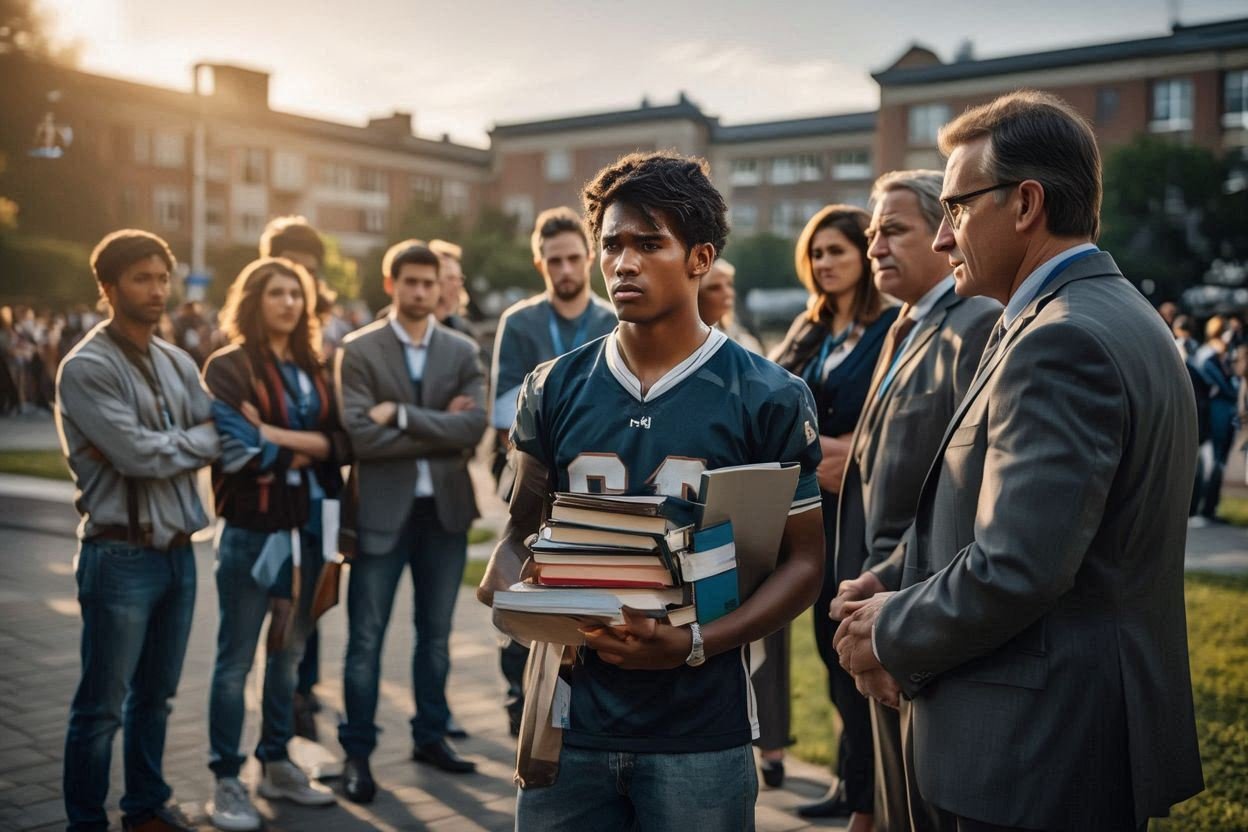
South Korea is witnessing a growing debate over the future of student-athlete education. At the heart of the controversy lies a fundamental question: should academic requirements for student-athletes be eased to allow greater focus on sports performance, or should educational protections remain firm to safeguard student rights? Civic groups and sports organizations are locked in a cultural and legal tug-of-war, reflecting broader societal priorities about education, fairness, and national identity.
The Current Divide
South Korea’s education system is renowned for its rigor, competitiveness, and emphasis on academic achievement. For student-athletes, this environment presents unique challenges. Balancing demanding training schedules with equally demanding coursework often leads to burnout, underperformance in one domain, or both. Sports organizations argue that easing academic requirements would allow promising athletes to focus on their development, potentially raising Korea’s competitiveness in global sports.
On the other side, civic groups and education advocates warn that weakening academic protections risks undermining student rights. They argue that student-athletes are, first and foremost, students, and that lowering standards could trap them in a system where their athletic potential is prioritized at the expense of their long-term educational and career prospects.
Legal and Cultural Angle
The debate is not merely about sports policy; it touches on Korea’s legal frameworks and cultural values.
Civic Groups’ Perspective
Civic organizations emphasize that education is a constitutional right. They argue that any attempt to reduce academic requirements for athletes risks creating a two-tiered system where student-athletes are treated as exceptions. This, they claim, undermines the principle of equal opportunity. Moreover, they highlight the dangers of short athletic careers: without adequate education, athletes who fail to reach professional levels may struggle to reintegrate into society.
Sports Organizations’ Perspective
Sports federations and clubs counter that rigid academic requirements can stifle athletic development. They point to international examples where flexible education systems allow athletes to thrive without sacrificing their studies. For instance, in the United States, student-athletes often benefit from tailored academic programs that accommodate training and competition schedules. Korean sports leaders argue that similar flexibility is necessary to sustain elite performance and ensure Korea remains competitive in global arenas.
Cultural Tensions
Underlying this debate is a cultural tension between Korea’s deep-rooted emphasis on education and its growing ambition in sports. Education has long been seen as the primary pathway to success, while sports were historically viewed as secondary. However, Korea’s rising profile in international competitions — from football to baseball to Olympic events — has shifted perceptions. The question now is whether the nation can reconcile its educational priorities with its sporting ambitions.
Case Studies and Examples
Several recent cases illustrate the stakes of this debate:
- High School Football Programs: Some schools have experimented with reduced academic loads for athletes, allowing them to train more intensively. While these programs have produced competitive teams, critics argue that students graduate with weaker academic foundations.
- University Admissions: Student-athletes often benefit from special admissions pathways. Civic groups argue that these pathways already provide sufficient flexibility, while sports organizations insist that additional reforms are needed to reduce academic burdens during training seasons.
- International Comparisons: Countries like Japan and the United States offer models of balancing academics and athletics. Japan emphasizes discipline and dual commitment, while the U.S. provides structured support systems through NCAA programs. Korea’s challenge is to adapt these models within its own cultural and legal context.
Educational Value: Lessons in Regulatory Balance
This debate offers valuable insights into how regulatory frameworks balance athlete development with societal priorities in education.
1. The Principle of Equal Opportunity
Education systems are designed to provide equal opportunities for all students. When exceptions are made for athletes, the principle of fairness comes into question. The challenge lies in ensuring that flexibility does not translate into inequality.
2. The Risk of Over-Specialization
Athletic careers are often short-lived. Injuries, competition, and limited professional opportunities mean that many student-athletes will not reach elite levels. Without strong educational foundations, these individuals may face significant challenges in their post-athletic lives.
3. The Value of Flexibility
At the same time, rigid systems can hinder talent development. Flexibility in scheduling, curriculum design, and assessment can allow student-athletes to pursue excellence in both domains. The key is to design policies that support dual development rather than privileging one over the other.
4. Data and Outcomes
Educational and sports policies must be guided by data. Tracking outcomes — such as graduation rates, career trajectories, and athletic success — can help policymakers evaluate whether reforms are achieving their intended goals. For example, if easing academic requirements leads to higher athletic success but lower post-graduation employment, the trade-offs must be reconsidered.
Broader Implications
The student-athlete education debate reflects broader societal questions about Korea’s identity and priorities.
- National Competitiveness: Korea’s ambition to excel in global sports requires nurturing talent. But this must be balanced against the nation’s commitment to education as a cornerstone of social mobility.
- Social Equity: Civic groups warn that easing requirements could disproportionately affect students from disadvantaged backgrounds, who may be pushed into athletics without adequate educational support.
- Cultural Evolution: The debate signals a cultural shift. As sports gain prestige, Korea must decide how to integrate athletic excellence into its broader educational and societal frameworks.
Conclusion
The intensifying debate over student-athlete education in South Korea is more than a policy dispute. It is a reflection of the nation’s struggle to balance tradition with ambition, rights with performance, and education with sports. Civic groups argue that weakening academic protections undermines student rights, while sports organizations push for flexibility to sustain elite performance.
For readers, the lesson is clear: regulatory frameworks are not static; they evolve to reflect societal priorities. Korea’s challenge is to design a system that supports both academic integrity and athletic excellence, ensuring that student-athletes are not forced to choose between their education and their dreams. The outcome of this debate will shape not only the future of Korean sports but also the nation’s broader vision of fairness, opportunity, and success.
For further perspective on why outcomes alone don’t capture the full measure of performance, see Why Winning Is a Poor Measure of Performance. This analysis underscores how success must be evaluated through broader developmental and societal lenses — a principle that resonates strongly in the current student-athlete education debate.