Introduction
In April 2026, the Korea Sport Ethics Center (K-SEC) announced the appointment of new human rights protectors tasked with monitoring athlete safety nationwide. This initiative represents a significant step in institutionalizing athlete welfare within South Korea’s sports ecosystem. By embedding oversight into the framework of the National Sports Promotion Act, the government and K-SEC aim to address long-standing blind spots in athlete protection, ensuring that rights are safeguarded alongside performance.
Why Athlete Rights Protection Matters
South Korea’s sporting culture has produced world-class athletes across disciplines, from football and baseball to Olympic sports. Yet, behind the medals and accolades, stories of abuse, neglect, and systemic blind spots have periodically surfaced. Athletes, particularly at the youth and amateur levels, often face intense pressure from coaches, institutions, and federations. In some cases, this pressure has led to physical and psychological harm, sparking public outcry and calls for reform.
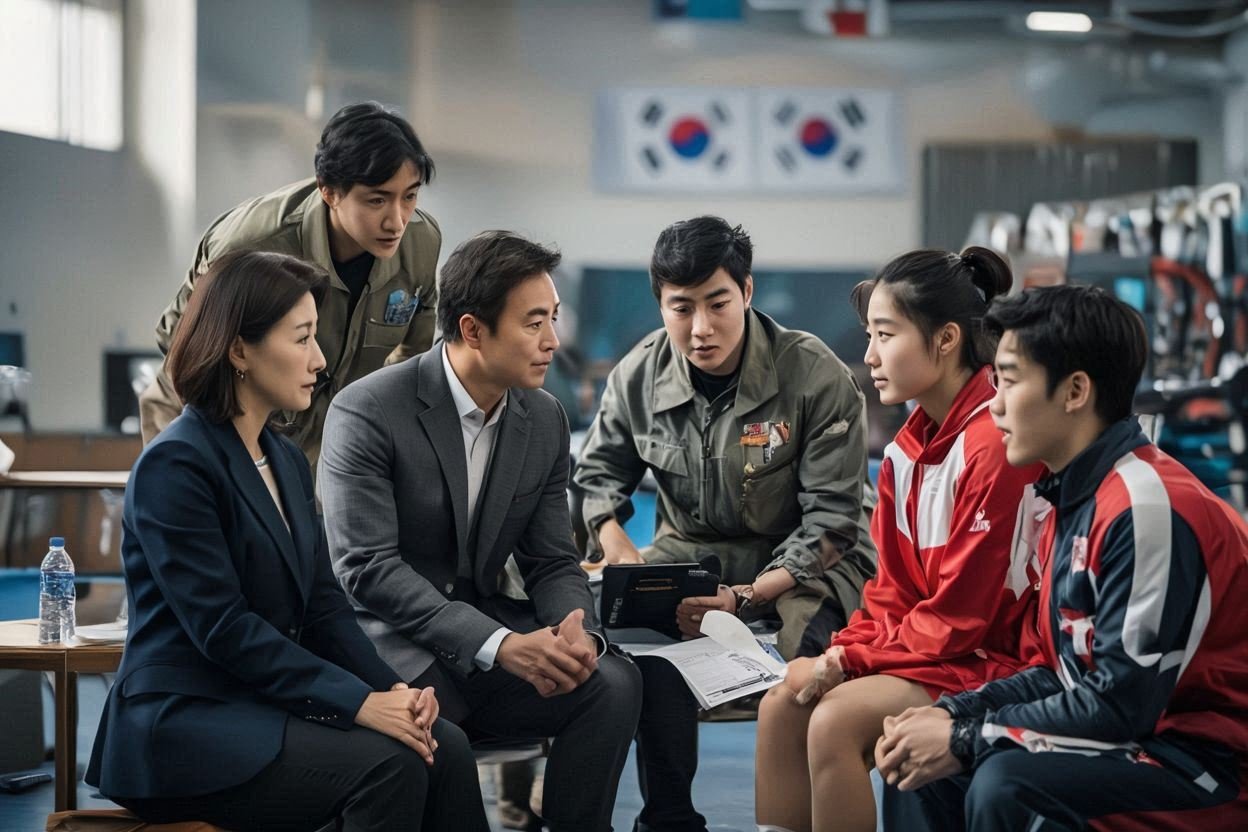
The appointment of human rights protectors is designed to create a systematic inspection network that can intervene before harm escalates. These protectors will monitor training environments, investigate complaints, and ensure compliance with ethical standards. Their presence signals a cultural shift: athlete welfare is no longer secondary to performance but a central pillar of Korea’s sports governance.
Legal and Cultural Angle
The initiative operates under the National Sports Promotion Act, which provides the legal foundation for athlete welfare policies. This Act has historically focused on promoting sports development, funding infrastructure, and supporting elite programs. However, recent amendments have expanded its scope to include ethics and human rights, reflecting a broader societal demand for accountability.
Legal Framework
- Mandate: Human rights protectors are empowered to conduct inspections, receive reports, and recommend corrective measures.
- Authority: Their role is backed by statutory authority, ensuring that sports organizations must comply with their findings.
- Integration: Protectors work in coordination with K-SEC, local sports federations, and educational institutions, creating a nationwide oversight network.
Cultural Significance
South Korea’s culture places high value on discipline, hierarchy, and achievement. In sports, this has often translated into rigid training regimens and deference to authority figures. While these values have contributed to Korea’s success, they have also created environments where abuse can go unchecked. The appointment of human rights protectors challenges this dynamic by institutionalizing accountability and prioritizing athlete dignity.
The Role of Human Rights Protectors
Human rights protectors are not symbolic figures; they have concrete responsibilities designed to safeguard athletes.
- Monitoring Training Environments
Regular inspections of training facilities, dormitories, and competition venues ensure that athletes are not subjected to unsafe or abusive conditions. - Complaint Handling
Athletes can report concerns directly to protectors, bypassing potentially biased internal channels. This creates a safer pathway for whistleblowing. - Education and Awareness
Protectors also conduct workshops on athlete rights, helping athletes understand their entitlements and empowering them to speak up. - Policy Recommendations
Based on their findings, protectors advise K-SEC and government bodies on reforms needed to strengthen athlete welfare.
Case Studies: Why Oversight Is Needed
Several high-profile cases underscore the importance of this initiative:
- Youth Athletes in School Programs: Reports of excessive training hours and inadequate academic support have raised concerns about exploitation. Protectors can intervene to ensure balance between education and athletics.
- Elite Athletes Facing Abuse: Past scandals involving physical and verbal abuse by coaches highlighted the lack of independent oversight. Protectors provide a neutral mechanism to investigate such cases.
- Gender and Equity Issues: Female athletes have reported discrimination and harassment. Protectors are tasked with ensuring gender equity and addressing misconduct swiftly.
Educational Value: Governance Trends in Sports Ethics
The appointment of human rights protectors illustrates how Korea is institutionalizing athlete rights protection, aligning with global governance trends.
1. Institutionalization of Ethics
By embedding protectors within the legal framework, Korea moves beyond ad hoc responses to abuse. This institutionalization ensures continuity and accountability.
2. Balancing Performance and Welfare
Sports governance often struggles to balance elite performance with welfare. Korea’s model demonstrates that safeguarding rights can coexist with competitive success.
3. Comparative Perspective
Globally, organizations like the International Olympic Committee (IOC) and UNESCO have emphasized athlete welfare. Korea’s initiative reflects these international standards, while tailoring them to national contexts.
4. Transparency and Accountability
Protectors enhance transparency by providing independent oversight. Their reports and recommendations create accountability mechanisms that were previously absent.
Broader Implications
The implications of this initiative extend beyond sports:
- Legal Precedent: Embedding human rights protectors in sports governance sets a precedent for other sectors where vulnerable populations require oversight.
- Cultural Shift: By prioritizing welfare, Korea signals a cultural evolution in how success is defined — not just by medals, but by the dignity of athletes.
- Global Leadership: Korea’s model could inspire other nations to adopt similar frameworks, positioning the country as a leader in sports ethics.
Conclusion
The Korea Sport Ethics Center’s appointment of human rights protectors marks a turning point in athlete welfare. Operating under the National Sports Promotion Act, these protectors create a systematic inspection network designed to address blind spots in athlete safety. Their role reflects a broader governance trend: institutionalizing ethics and rights within sports systems.
For readers, the lesson is clear: athlete welfare is inseparable from sports success. Korea’s initiative demonstrates how legal frameworks and cultural shifts can converge to protect athletes, ensuring that the pursuit of excellence does not come at the expense of human dignity. As global attention to sports ethics grows, Korea’s model offers a case study in how nations can embed rights protection into the very fabric of their sporting culture.
For further perspective on how performance metrics alone fail to capture broader ethical responsibilities, see Why Winning Is a Poor Measure of Performance.
To explore how Korea is grappling with related issues in student-athlete education, see Student-Athlete Education Debate Intensifies in South Korea.
For global governance frameworks, readers can consult:
- UNESCO’s Education and Sport Report — highlighting international standards for athlete welfare.
- International Olympic Committee’s Athlete Safeguarding Program— outlining global efforts to protect athletes from harassment and abuse.
- Human Rights Watch on Sports and Abuse — documenting cases worldwide and advocating for stronger protections.