
Introduction: Regional Ambitions Take Shape
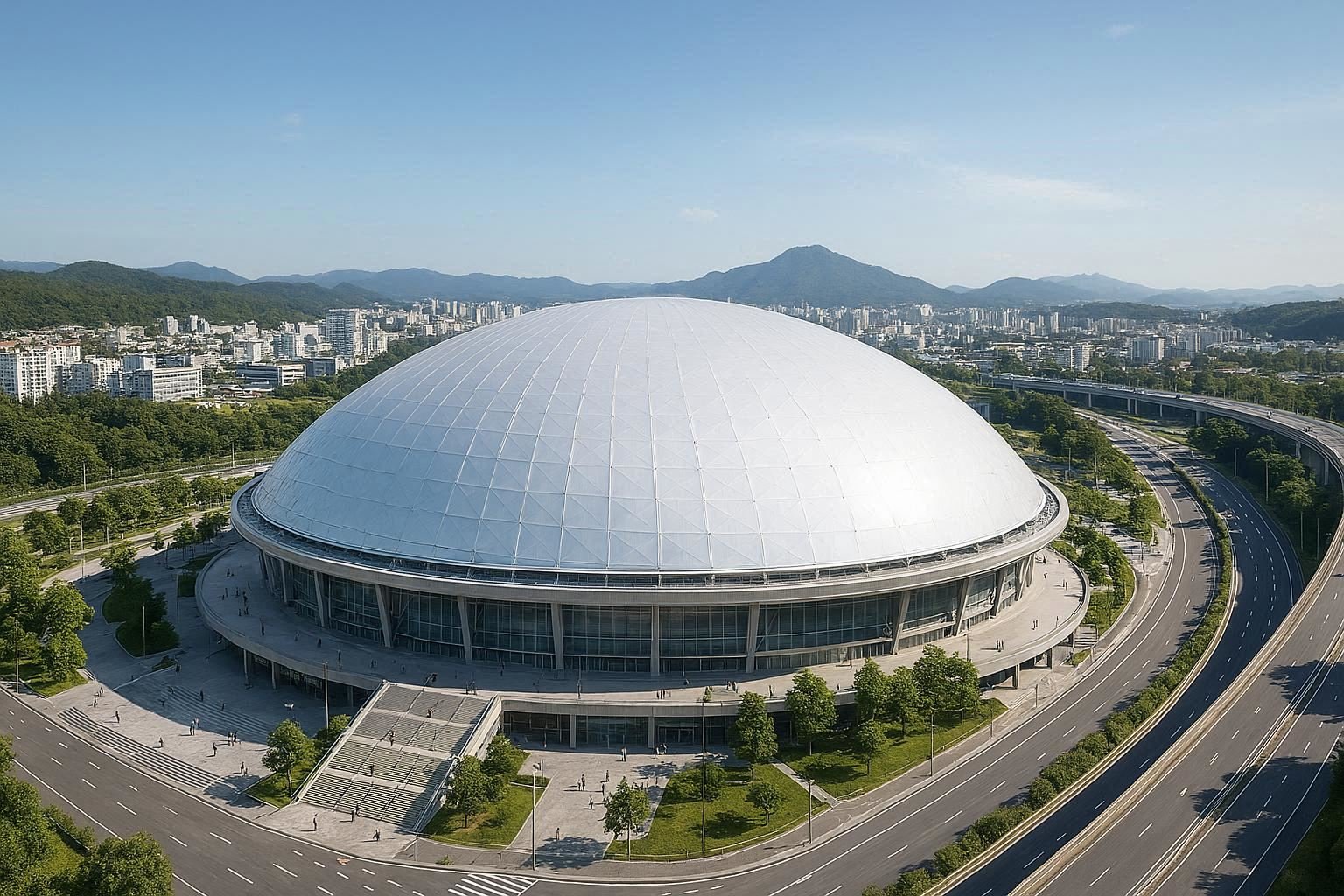
South Korea’s Chungcheong region is stepping into the national spotlight with ambitious infrastructure projects that blend sports, culture, and entertainment. Both South Chungcheong (Chungnam) and North Chungcheong (Chungbuk) are advancing plans for large multipurpose dome stadiums. Cheonan-Asan has proposed the “K-Pop Dome,” while Osong is developing the “Chungbuk-Style Dome.” These projects are more than construction initiatives—they represent a strategic vision to position Korea as a cultural superpower, aligning with the Ministry of Culture, Sports and Tourism’s broader agenda.
For SejongInsider readers, the story offers a lens into how regional infrastructure policy intersects with cultural identity, economic development, and national strategy.
Context: Dome Stadiums as Cultural Infrastructure
The concept of dome stadiums is not new globally, but in Korea, their emergence reflects evolving priorities. Traditionally, stadiums were built primarily for sports. Today, they are envisioned as multipurpose venues capable of hosting concerts, conventions, esports, and cultural festivals. The Cheonan-Asan “K-Pop Dome” highlights Korea’s global cultural export, while the Osong “Chungbuk-Style Dome” emphasizes regional identity and versatility.
These projects are part of a larger trend: using infrastructure not only to support athletic competition but also to anchor cultural and economic ecosystems. Dome stadiums, with their ability to operate year-round regardless of weather, symbolize resilience and adaptability in regional development.
Policy Angle: Ministry Strategy and Regional Development
The Ministry of Culture, Sports and Tourism has articulated a vision of Korea as a “cultural superpower.” This strategy involves leveraging infrastructure to support both domestic engagement and international influence. Dome stadiums fit neatly into this framework:
- Dual Roles: Serving as sports arenas and entertainment hubs, they maximize utility and revenue.
- Regional Balance: By situating projects in Chungcheong, the Ministry promotes decentralization, ensuring cultural infrastructure is not concentrated solely in Seoul or Busan.
- Global Branding: Facilities like the “K-Pop Dome” reinforce Korea’s cultural exports, aligning infrastructure with soft power strategies.
- Economic Stimulus: Large venues attract tourism, create jobs, and stimulate local economies through ancillary industries like hospitality and retail.
Policy debates center on how to balance public investment with private partnerships, ensuring that these projects serve both local communities and national ambitions. For readers interested in the Ministry’s broader cultural strategy, see the Ministry of Culture, Sports and Tourism’s official site).
Cultural Angle: Stadiums as Symbols
Infrastructure projects often carry symbolic weight. In Chungcheong, dome stadiums represent aspirations to elevate regional identity within Korea’s cultural map. The Cheonan-Asan “K-Pop Dome” underscores the global reach of Korean pop culture, positioning the region as a hub for international concerts and festivals. The Osong “Chungbuk-Style Dome” emphasizes versatility, reflecting the province’s ambition to host diverse events from sports tournaments to cultural exhibitions.
These stadiums are not just buildings; they are cultural statements. They signal that regional Korea can contribute to the nation’s global cultural narrative, challenging the dominance of metropolitan centers. For a related example of how infrastructure and governance shape cultural integration, see this analysis of the Chungcheong 2027 FISU World University Games.
Case Study: Cheonan-Asan’s “K-Pop Dome”
Cheonan-Asan’s proposal highlights the intersection of entertainment and infrastructure. By branding the dome around K-pop, the project taps into Korea’s most successful cultural export. The venue is envisioned as a magnet for international fans, capable of hosting large-scale concerts, fan meetings, and festivals. Its design emphasizes acoustics, stage adaptability, and digital integration, ensuring it meets the demands of modern entertainment.
For the region, the “K-Pop Dome” represents both economic opportunity and cultural prestige. It positions Cheonan-Asan as a destination city, leveraging Korea’s global cultural influence to attract tourism and investment.
Case Study: Osong’s “Chungbuk-Style Dome”
Osong’s project takes a broader approach. The “Chungbuk-Style Dome” is designed as a multipurpose venue, capable of hosting sports, conventions, and cultural events. Its emphasis on versatility reflects Chungbuk’s ambition to serve as a regional hub for diverse activities. Located near Osong’s transport networks, the dome is strategically positioned to attract visitors from across Korea.
The project underscores the role of infrastructure in regional identity. By branding the dome as “Chungbuk-style,” the province asserts its distinctiveness, signaling that regional Korea can innovate in cultural infrastructure.
Educational Insight: Infrastructure Policy as Cultural Strategy
For SejongInsider readers, these projects illustrate how infrastructure policy intersects with cultural strategy. Dome stadiums are not merely construction projects; they are tools of cultural diplomacy, economic development, and regional empowerment.
Key insights include:
- Infrastructure as Cultural Capital: Stadiums serve as platforms for cultural expression, reinforcing Korea’s global identity.
- Regional Policy: Locating projects outside Seoul decentralizes cultural infrastructure, promoting balanced development.
- Economic Multiplier Effect: Large venues stimulate local economies through tourism, hospitality, and retail.
- Soft Power Strategy: By aligning infrastructure with cultural exports like K-pop, Korea strengthens its global influence.
- Governance Challenges: Balancing public investment, private partnerships, and community needs requires careful policy design.
For comparative perspectives, readers can explore Japan’s Sapporo Dome and Singapore’s Sports Hub, both of which illustrate how multipurpose stadiums can anchor cultural and economic ecosystems.
Challenges and Debates
While dome stadium projects carry promise, they also raise questions:
- Financial Sustainability: Large venues require significant investment. Ensuring profitability through diverse programming is essential.
- Community Integration: Projects must serve local residents, not just international visitors. Balancing global branding with local accessibility is key.
- Environmental Impact: Dome stadiums consume resources. Sustainable design and energy efficiency must be prioritized.
- Policy Coordination: Aligning regional projects with national strategy requires coordination across ministries and local governments.
- Cultural Equity: Ensuring that infrastructure benefits diverse cultural expressions, not just mainstream entertainment, is a challenge.
Broader Implications: Korea as a Cultural Superpower
The Chungcheong dome projects reflect Korea’s broader ambition to position itself as a cultural superpower. By investing in infrastructure that supports both sports and entertainment, Korea strengthens its global cultural footprint. Dome stadiums become symbols of resilience, adaptability, and ambition, reinforcing Korea’s identity as a nation that values both tradition and innovation.
For regional Korea, these projects represent empowerment. They signal that cultural infrastructure is not confined to metropolitan centers, but can flourish across the nation. This decentralization aligns with democratic principles of equity and inclusion, ensuring that cultural engagement is accessible to all citizens.
Conclusion: Dome Stadiums as Cultural Futures
The Cheonan-Asan “K-Pop Dome” and Osong “Chungbuk-Style Dome” are more than construction projects. They are cultural futures, embodying Korea’s ambition to be a global cultural superpower. For Chungcheong, they represent regional pride, economic opportunity, and cultural identity. For Korea, they symbolize a strategy that blends infrastructure, policy, and culture into a cohesive vision.
For SejongInsider readers, the lesson is clear: infrastructure policy is not just about buildings—it is about shaping cultural narratives, empowering regions, and positioning nations on the global stage. Dome stadiums in Chungcheong are not only roofs over arenas; they are roofs over Korea’s cultural aspirations.