

Introduction
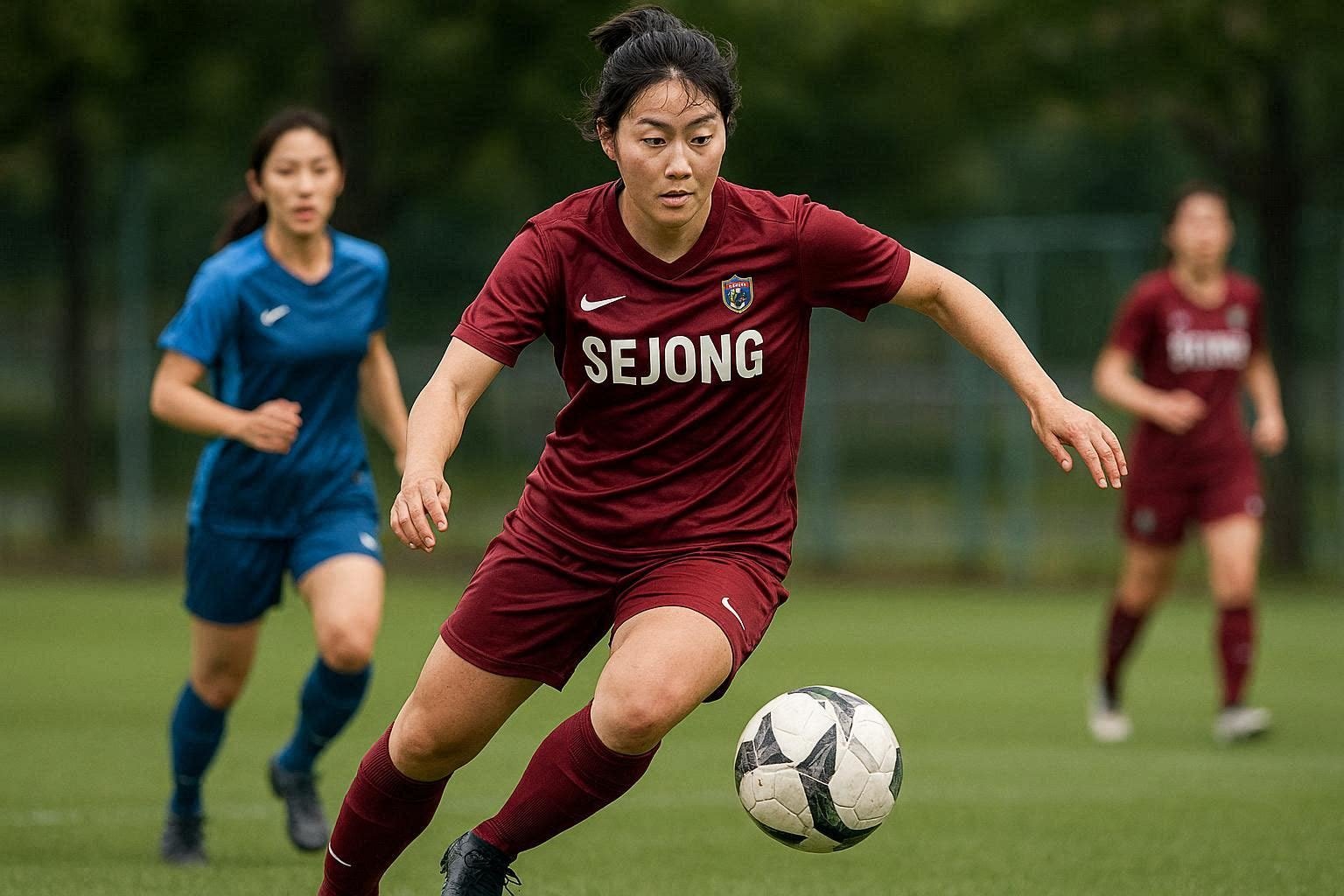
In Sejong, the Sports Toto Women’s Football Team has launched a groundbreaking 28-session “Football Classroom” program. Targeting 60 elementary school girls and adult women, the initiative is led by former WK League players who bring professional expertise and mentorship to the grassroots level. This program is framed as a talent donation initiative, emphasizing inclusivity, civic engagement, and the cultural value of sports education.
Program Context
The Football Classroom is not just about teaching the fundamentals of soccer. It is about embedding sports into the civic fabric of Sejong. By focusing on young girls and adult women, the program challenges traditional gender boundaries in sports participation. The sessions are designed to be interactive, educational, and empowering, ensuring that participants gain both technical skills and confidence.
For readers interested in related grassroots engagement, see
Sejong Insider: Women’s Soccer Clinic Expands Grassroots Engagement.
Cultural and Educational Significance
This initiative reflects how civic frameworks in Sejong support community-level sports education. By framing the program as a talent donation, former WK League players are giving back to the community, reinforcing the idea that sports are not only about competition but also about cultural transmission and social responsibility.
Grassroots development is central to building sustainable sports ecosystems. Programs like this ensure that young girls see football as accessible, while adult women find opportunities for recreation and empowerment. The cultural angle is clear: inclusivity in sports strengthens community bonds and challenges stereotypes.
Gender Inclusivity in Sports
Historically, women’s participation in football has been limited by structural and cultural barriers. The Sejong Football Classroom directly addresses these challenges by creating a safe, supportive environment for women and girls. Inclusivity is not just a slogan—it is embedded in the program’s design, from the choice of coaches to the curriculum that emphasizes teamwork, respect, and confidence-building.
External resources on gender inclusivity in sports can be found at:
Educational Insight: Policy Meets Culture
The Football Classroom demonstrates how sports policy and cultural values intersect. Sejong’s civic institutions provide the framework, while cultural values of inclusivity and community engagement give the program meaning. This intersection is crucial: without supportive policy, grassroots initiatives struggle; without cultural resonance, they fail to inspire.
Educationally, the program teaches more than football. It teaches discipline, cooperation, and resilience—skills that extend beyond the pitch into everyday life. For elementary school girls, these lessons build character. For adult women, they provide empowerment and community connection.
Former WK League Players as Mentors
The involvement of former WK League players adds authenticity and inspiration. These mentors embody the possibilities of women’s football in Korea. Their presence signals to participants that football is not only a recreational activity but also a pathway to professional achievement. By donating their time and expertise, they bridge the gap between elite sports and grassroots development.
Community-Level Impact
Community engagement is at the heart of the initiative. Sejong’s civic frameworks encourage programs that build social cohesion, and the Football Classroom is a prime example. Parents, schools, and local organizations are involved, creating a network of support that amplifies the program’s impact.
Highlight clips and coverage on platforms like YouTube and Naver Sports further extend the program’s reach, ensuring that the initiative resonates beyond the participants themselves.
Global Comparisons
Globally, grassroots women’s football initiatives have proven transformative. From UEFA’s “Playmakers” program to FIFA’s grassroots campaigns, the emphasis is on accessibility and inclusivity. Sejong’s Football Classroom aligns with these international trends, showing that local civic frameworks can contribute to global movements in sports development.
External references:
Challenges and Opportunities
While the initiative is promising, challenges remain. Sustaining engagement over 28 sessions requires commitment from participants and organizers. Ensuring that the program leads to long-term participation in football is another hurdle. However, the opportunities are immense: building a pipeline of talent, fostering community pride, and normalizing women’s football in everyday life.
Intersection of Sports and Civic Identity
Sejong’s Football Classroom reflects the city’s broader identity as a hub of civic innovation. Sports are integrated into the city’s vision of community development, and initiatives like this reinforce Sejong’s reputation as a forward-thinking city. The program is not just about football—it is about shaping civic identity through inclusive education.
Conclusion
The Sejong Women’s Football Classroom Initiative is a landmark program that blends sports education, cultural values, and civic frameworks. By targeting elementary school girls and adult women, it expands the grassroots base of football while promoting gender inclusivity. Led by former WK League players, the program embodies the spirit of talent donation and community engagement.
For Sejong, the initiative is more than a sports program—it is a cultural statement. It demonstrates how policy and culture intersect to create meaningful opportunities, how grassroots development strengthens communities, and how inclusivity in sports reflects broader societal values. As the sessions unfold, the Football Classroom will continue to inspire participants and reshape the narrative of women’s football in Korea.