Introduction: Why Broadcasting Law Matters
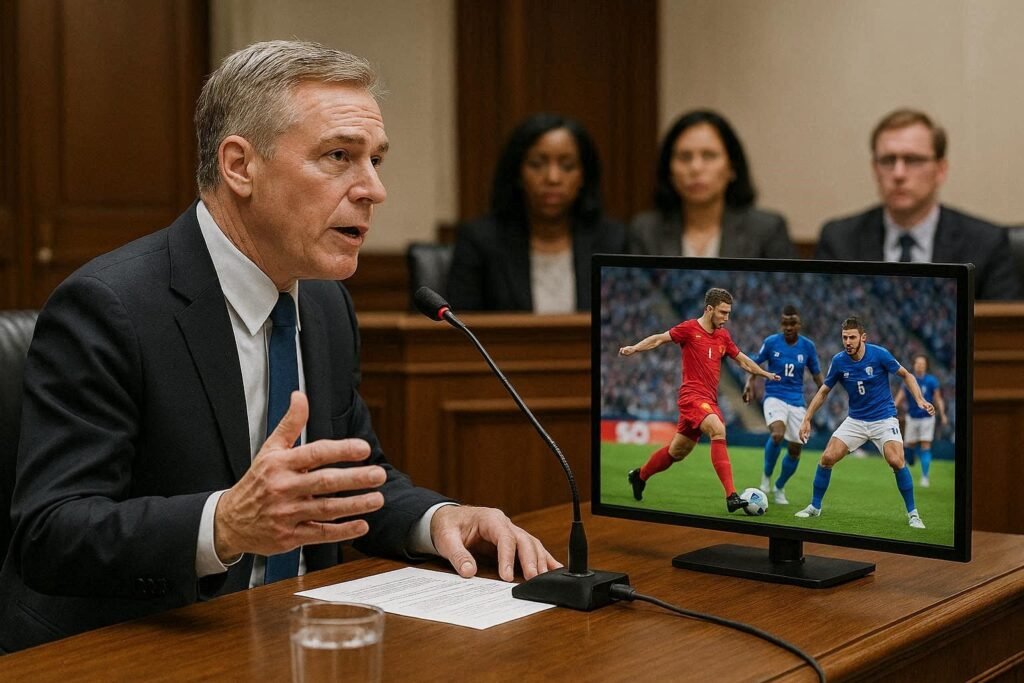
Few issues touch as many citizens as the right to watch major sports events. The Olympics, the FIFA World Cup, and Asian Games are not just competitions; they are moments of collective identity. In Korea, debates over broadcasting rights have intensified as exclusive contracts and subscription models threaten to limit access. The National Assembly is now reviewing amendments to the Broadcasting Act that would enshrine universal viewing rights, ensuring that nationally significant sports broadcasts remain accessible to all citizens without additional fees.
This reform is more than a technical adjustment. It reflects a broader legal principle: events of national interest belong to the public domain, not private commodities. The administrative capital, Sejong, plays a central role in shaping these policies, highlighting how broadcasting law intersects with civic rights and cultural identity. For a deeper dive into the reform itself, see Broadcasting Law Amendment: Universal Viewing Rights in Focus.
Context: Exclusive Rights and Public Backlash
In recent years, Korean broadcasters have increasingly pursued exclusive contracts for major sports events. While lucrative, these deals often force viewers to subscribe to specific platforms or pay additional fees. The 2022 World Cup, for instance, sparked controversy when certain matches were locked behind paywalls, frustrating fans who saw the event as a national celebration.
Public backlash underscored a tension: broadcasters seek commercial profit, but citizens expect free access to events that symbolize national pride. The proposed reform aims to resolve this tension by codifying universal viewing rights into law. For background, see the Ministry of Culture, Sports and Tourism which oversees broadcasting and cultural policy.
The Legal Principle of Universal Access
At the heart of the reform is the idea that sports events of national significance are part of the public domain. This principle is not unique to Korea. Many European countries, including the UK and Germany, maintain “listed events” regulations that require free-to-air coverage of the Olympics, World Cup, and other major competitions.
Korea’s Broadcasting Act amendments would introduce similar safeguards. By restricting resale of broadcast rights and mandating cooperative purchasing among broadcasters, the law ensures that no single company can monopolize access. This reflects a broader legal philosophy: cultural and civic goods must remain accessible to all, even in a market-driven media environment. For comparison, see the European Broadcasting Union which advocates for universal access across Europe.
Key Provisions of the Reform
The proposed amendments include several notable provisions:
- Restrictions on resale of rights: Broadcasters who acquire rights to nationally significant events cannot resell them exclusively to subscription platforms.
- Cooperative purchasing mandates: Broadcasters must collaborate to share rights, ensuring simultaneous free-to-air coverage.
- Universal viewing rights clause: Citizens are guaranteed access to designated events without additional fees, regardless of platform.
- Regulatory oversight in Sejong: The Ministry of Culture, Sports and Tourism, headquartered in Sejong, will oversee compliance and adjudicate disputes.
These provisions collectively shift the balance from commercial exclusivity to civic accessibility. For legal context, see the National Assembly of Korea.
Sejong’s Role in Policy Formation
Sejong, as Korea’s administrative capital, is central to broadcasting law reform. Housing key ministries and regulatory agencies, Sejong embodies the state’s commitment to civic governance. The Broadcasting Act amendments are being drafted and reviewed here, symbolizing the city’s role as the hub of legal and cultural policymaking.
For citizens, Sejong represents more than bureaucracy. It is the place where civic rights are codified into law, where the principle of universal access is transformed from public demand into binding regulation.
Educational Value: How Broadcasting Law Balances Rights
Understanding broadcasting law requires grasping the balance between commercial rights and civic access. Broadcasters invest heavily to acquire rights, and they naturally seek profit. Yet the law recognizes that certain events transcend commerce.
- Commercial rights: Protect broadcasters’ investments and incentivize coverage.
- Civic access: Protect citizens’ right to participate in national cultural moments.
The Broadcasting Act reform demonstrates how law mediates between these interests. By mandating cooperative purchasing and restricting exclusivity, it ensures that commercial incentives remain intact while safeguarding civic rights. For a global perspective, see FIFA’s governance on broadcasting rights.
Comparative Perspective: Lessons from Abroad
Korea’s reform aligns with international precedents.
- United Kingdom: The Broadcasting Act lists “crown jewel” events, including the Olympics and FA Cup Final, which must be shown on free-to-air channels.
- Germany: Public broadcasters ARD and ZDF share rights to major events, ensuring universal access.
- France: The Conseil Supérieur de l’Audiovisuel enforces regulations requiring free coverage of national events.
These examples show that Korea’s approach is part of a global trend: recognizing sports events as cultural heritage rather than private commodities. For more, see the UK Ofcom Broadcasting Code.
Broader Legal Implications
The reform has implications beyond sports. It establishes a precedent for how cultural events are treated under law. If sports broadcasts are considered part of the public domain, similar arguments could apply to other nationally significant events, such as presidential inaugurations or cultural festivals.
Moreover, the cooperative purchasing mandate introduces a new model of media governance. Broadcasters, traditionally competitors, must collaborate in the public interest. This raises questions about how competition law and broadcasting regulation intersect.
Civic Identity and Universal Rights
Universal viewing rights are not just about access; they are about identity. Watching the Olympics or World Cup together fosters a sense of national unity. When access is restricted, that unity fractures.
By enshrining universal rights, the Broadcasting Act reform affirms that sports are more than entertainment. They are civic rituals, moments when citizens collectively experience pride, joy, and belonging. The law thus protects not only access but also the cultural fabric of the nation.
Challenges and Criticisms
Despite broad support, the reform faces challenges:
- Broadcaster resistance: Companies argue that restrictions on resale reduce profitability and discourage investment.
- Implementation complexity: Cooperative purchasing requires coordination among multiple broadcasters, which may be difficult in practice.
- Defining “national significance”: Which events qualify? Olympics and World Cup are obvious, but what about regional tournaments or domestic leagues?
These challenges highlight the need for clear definitions and robust regulatory oversight.
Sejong as a Symbol of Civic Governance
Sejong’s role in broadcasting law reform underscores its symbolic importance. As the administrative capital, Sejong is where civic rights are debated, codified, and enforced. The Broadcasting Act amendments remind citizens that governance is not abstract; it is rooted in institutions and cities that embody the public interest.
For readers, understanding Sejong’s role provides insight into how law and policy are shaped in Korea. It is here that the balance between commerce and civic rights is negotiated.
Conclusion: Law as a Guardian of Civic Access
The National Assembly’s review of Broadcasting Act amendments marks a pivotal moment in Korean media law. By enshrining universal viewing rights, restricting resale, and mandating cooperative purchasing, the reform ensures that major sports events remain accessible to all citizens.
This reflects a broader legal principle: nationally significant events belong to the public domain. They are civic goods, not private commodities. Sejong, as the administrative capital, plays a central role in shaping this principle into law.
For citizens, the message is clear. Broadcasting law is not just about contracts and profits; it is about rights, identity, and unity. As Korea moves forward, the reform will stand as a testament to how law can protect civic access in an era of commercial media.