Introduction
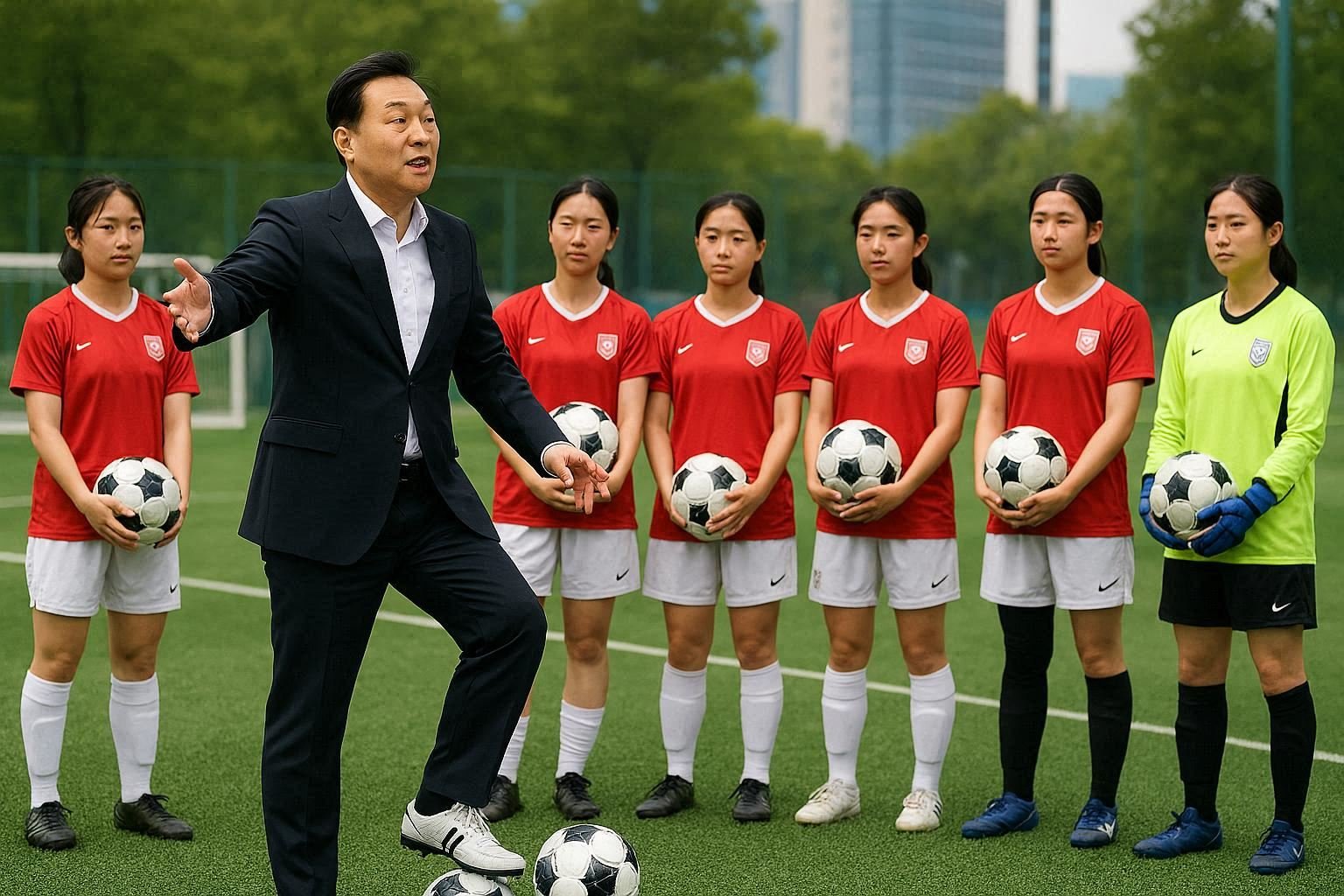
In April 2026, the Sports Toto women’s football team launched a landmark soccer clinic in Sejong, offering 28 sessions designed for local girls and adult women. While the program may appear as a simple training initiative, its significance lies in how it connects grassroots participation to broader cultural and structural narratives in Korean sports. For Sejong, a city known for its role as Korea’s administrative capital, the clinic underscores how sports institutions contribute to civic identity, inclusivity, and gender equity.
Context: Why Grassroots Programs Matter
Grassroots sports programs are the foundation of national athletic development. They provide entry points for beginners, foster community engagement, and create pathways for future talent. In Korea, where professional leagues like the K League and the KBO dominate headlines, initiatives like Sejong’s soccer clinic remind us that sports culture begins locally.
- Accessibility: Clinics lower barriers to entry, offering structured training without the pressure of professional competition.
- Representation: Programs tailored for women highlight inclusivity, ensuring that sports culture reflects diverse participation.
- Community Building: Local initiatives strengthen civic identity by connecting residents through shared activities.
Cultural Angle: Community Impact
The Sejong soccer clinic reflects how sports institutions contribute to civic identity:
- Inclusivity: By targeting both girls and adult women, the program challenges traditional gender divides in sports participation.
- Equity: Women’s sports often receive less visibility; grassroots clinics help balance representation by creating accessible opportunities.
- Civic Identity: Sejong’s role as host city reinforces its image as a hub for progressive sports culture, aligning with its broader identity as Korea’s administrative capital.
These elements show how sports are not just about competition but about shaping community values.
Educational Value: Linking Grassroots to Professional Leagues
For beginners, the clinic demonstrates how grassroots initiatives complement professional leagues:
- Talent Pathways: Clinics provide early training that can lead to participation in school teams, amateur leagues, and eventually professional clubs.
- Structural Link: Professional leagues rely on grassroots programs to sustain talent pipelines, ensuring long-term competitiveness.
- National Development: Grassroots engagement expands the fan base, creating cultural support for professional leagues.
This structural link helps readers understand why local participation matters for national sports development.
Regional Relevance: Sejong’s Role
As a Sejong-based initiative, the clinic underscores the city’s role in shaping cultural narratives around women’s sports:
- Administrative Capital: Sejong’s identity as Korea’s policy hub makes it a symbolic location for progressive sports initiatives.
- Regional Engagement: The clinic strengthens sports culture in Chungcheong, connecting local communities to national narratives.
- Visibility: Hosting women’s programs in Sejong amplifies their importance, signaling that gender equity in sports is a civic priority.
This regional relevance highlights how Sejong contributes to Korea’s evolving sports ecosystem.
Grassroots Engagement: Beyond the Field
The clinic’s impact extends beyond athletic training:
- Health Benefits: Participation promotes physical fitness and well-being.
- Social Bonds: Clinics foster friendships and networks, strengthening community cohesion.
- Confidence Building: Sports participation empowers women and girls, reinforcing self-esteem and leadership skills.
These outcomes illustrate how grassroots sports initiatives contribute to broader societal goals.
Comparative Insight: Women’s Sports in Korea
The Sejong clinic fits into a broader trend of expanding women’s sports in Korea:
- Professional Leagues: The WK League (Women’s K League) provides a professional platform, but grassroots programs are essential to sustain talent.
- International Competitions: Korea’s women’s national team competes globally, highlighting the need for strong domestic development.
- Cultural Shifts: Increasing visibility of women’s sports reflects broader societal changes toward inclusivity and equity.
Understanding these trends helps readers see how local clinics connect to national and international narratives.
Structural Insight: How Clinics Are Organized
For beginners, it’s useful to understand how grassroots clinics are structured:
- Sessions: The Sejong program offers 28 sessions, balancing skill development with accessibility.
- Coaching: Professional players and coaches provide instruction, ensuring quality training.
- Curriculum: Clinics focus on fundamentals — passing, dribbling, teamwork — while also emphasizing values like discipline and respect.
This structure ensures that clinics are both educational and culturally impactful.
Broader Implications: Sports and Civic Identity
The Sejong clinic illustrates broader principles of how sports intersect with civic identity:
- Policy Alignment: Grassroots initiatives align with national goals of promoting health, inclusivity, and community engagement.
- Cultural Diplomacy: Women’s sports programs contribute to Korea’s global image as a progressive society.
- Economic Impact: Local events generate activity for businesses, reinforcing the link between sports and civic development.
These implications show how sports initiatives are embedded in broader societal frameworks. They also connect to other civic efforts in Sejong, such as the appointment of human rights protectors for Korean athletes (Human Rights Protectors Appointed for Korean Athletes), which highlights how governance and grassroots initiatives together safeguard inclusivity and fairness in sports.
Conclusion
The Sports Toto women’s soccer clinic in Sejong is more than a training program — it is a cultural and structural milestone. By offering 28 sessions for local girls and adult women, the clinic promotes inclusivity, equity, and civic identity. For beginners, it demonstrates how grassroots initiatives complement professional leagues, linking local participation to national sports development.
As Sejong continues to shape Korea’s cultural and policy narratives, initiatives like this clinic reinforce the city’s role in advancing gender equity and community engagement in sports. The story of Sejong’s soccer clinic is ultimately a story of how grassroots programs build the foundation for national progress, ensuring that sports culture is inclusive, representative, and deeply connected to civic identity.
Further Reading
- WK League Official Website — information on Korea’s professional women’s football league.
- KFA (Korea Football Association) — governance and development programs for Korean football.
- UNESCO Sport and Gender Equality Resources — global perspectives on inclusivity in sports.
- Sports Toto Women’s Football Team — background on the team supporting grassroots initiatives.
- Human Rights Protectors Appointed for Korean Athletes — coverage of athlete rights governance in Korea.